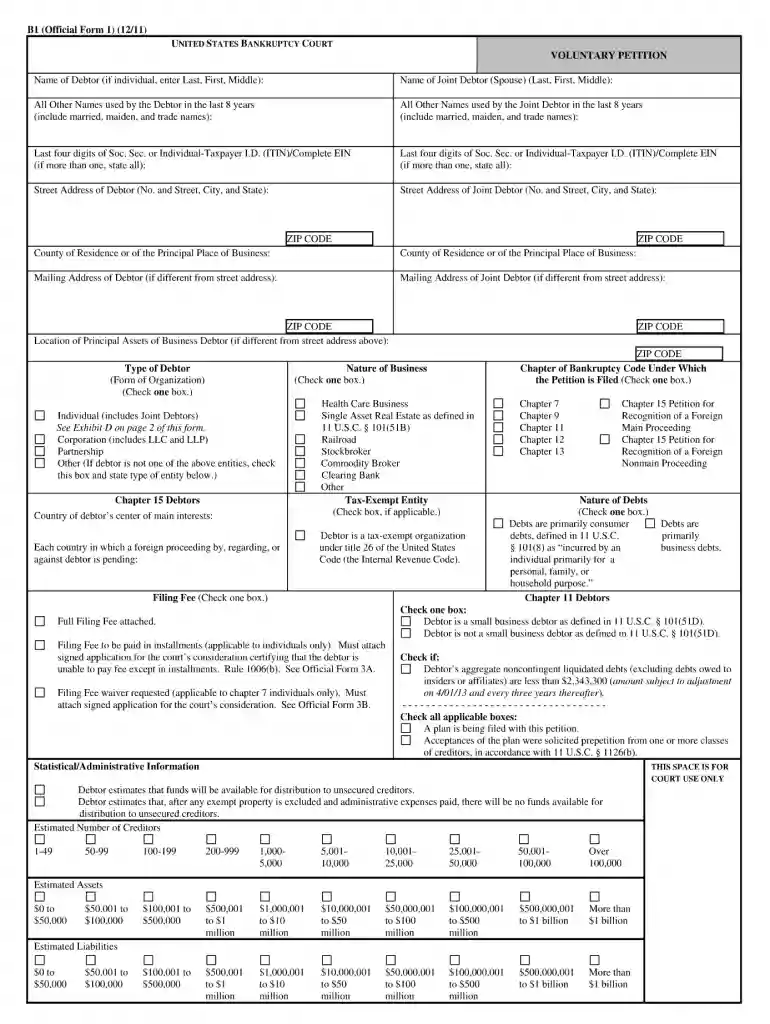
Bankruptcy b1 2026

Get Form
ebt 2259 Preview on Page 1

Here's how it works

01. Edit your ebt 2259 online
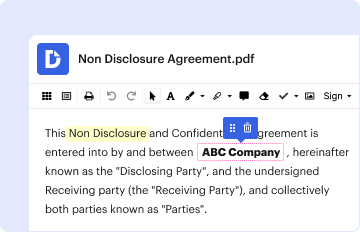
Type text, add images, blackout confidential details, add comments, highlights and more.

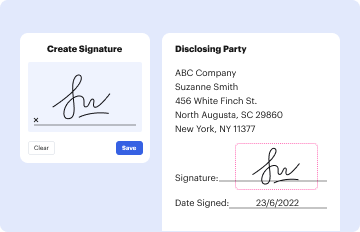
02. Sign it in a few clicks
Draw your signature, type it, upload its image, or use your mobile device as a signature pad.

03. Share your form with others
Send ebt 2259 11 21 via email, link, or fax. You can also download it, export it or print it out.

How to use or fill out bankruptcy b1 with our platform

Form edit decoration
9.5
Ease of Setup
DocHub User Ratings on G2
9.0
Ease of Use
DocHub User Ratings on G2
  1. Click ‘Get Form’ to open the bankruptcy b1 document in the editor.
  2. Begin by entering your personal information in the designated fields, including your name, address, and social security number. Ensure accuracy as this information is crucial for your filing.
  3. Next, navigate to the section detailing your financial situation. Here, you will need to provide information about your income, expenses, and debts. Use our platform’s text boxes to input these details clearly.
  4. Review the list of creditors and ensure all relevant parties are included. This section is vital for notifying those owed money about your bankruptcy status.
  5. Finally, sign and date the form electronically using our editor’s signature feature. This step finalizes your document and prepares it for submission.

Start using our platform today to complete your bankruptcy b1 form easily and for free!

See more bankruptcy b1 versions

We've got more versions of the bankruptcy b1 form. Select the right bankruptcy b1 version from the list and start editing it straight away!
Versions Form popularity Fillable & printable
2013 4.9 Satisfied (444 Votes)
2011 4.9 Satisfied (341 Votes)
be ready to get more

Complete this form in 5 minutes or less

Get form

Got questions?

We have answers to the most popular questions from our customers. If you can't find an answer to your question, please contact us.
Contact us
Schedule B, Part II (Exceptions). a section listing the general (or standard) title exceptions, which are typically matters that may affect the insured property but are not recorded in the public records; and. a section listing specific title exceptions determined from a title search to affect the insured property.
Schedule B: Personal Property of the Debtor. Schedule B requires the debtor to disclose all interests in personal property. This includes the debtors: Household goods.
One of the most important schedules is Schedule C, which lists a debtors exempt property. One of the primary purposes of the United States bankruptcy system is to provide Americans with a fresh start when they have experienced financial turmoil.
The 3-Year Rule: Waiting Period for Tax Return Due Dates This rule means that the tax debt must be tied to a return that was due three years before the date you file for Chapter 7 bankruptcy. If an extension was filed for that tax return, then the 3-year clock starts from the extended due date.
C1 Bankruptcy A Texas bankruptcy court in May 2024 approved C1s restructuring plan. The plan aimed to trim $1.6 billion in debt. The goal was for C1 to cut about 80% of its debt and draw $245 in equity commitments. C1 exited chapter 11 on June 4, 2024.

Security and compliance

At DocHub, your data security is our priority. We follow HIPAA, SOC2, GDPR, and other standards, so you can work on your documents with confidence.

Learn more

People also ask

The most common types of nondischargeable debts are certain types of tax claims, debts not set forth by the debtor on the lists and schedules the debtor must file with the court, debts for spousal or child support or alimony, debts for willful and malicious injuries to person or property, debts to governmental units
Specifically, section 550(b)(1) of the Bankruptcy Code provides that the plaintiff in an avoidance action may not recover from a subsequent transferee who received proceeds of an avoided transaction for value , in good faith, and without knowledge of the voidability of the transfer. 11 U.S.C. 550(b)(1).

schedule j bankruptcy