




01. Edit your form online
Type text, add images, blackout confidential details, add comments, highlights and more.

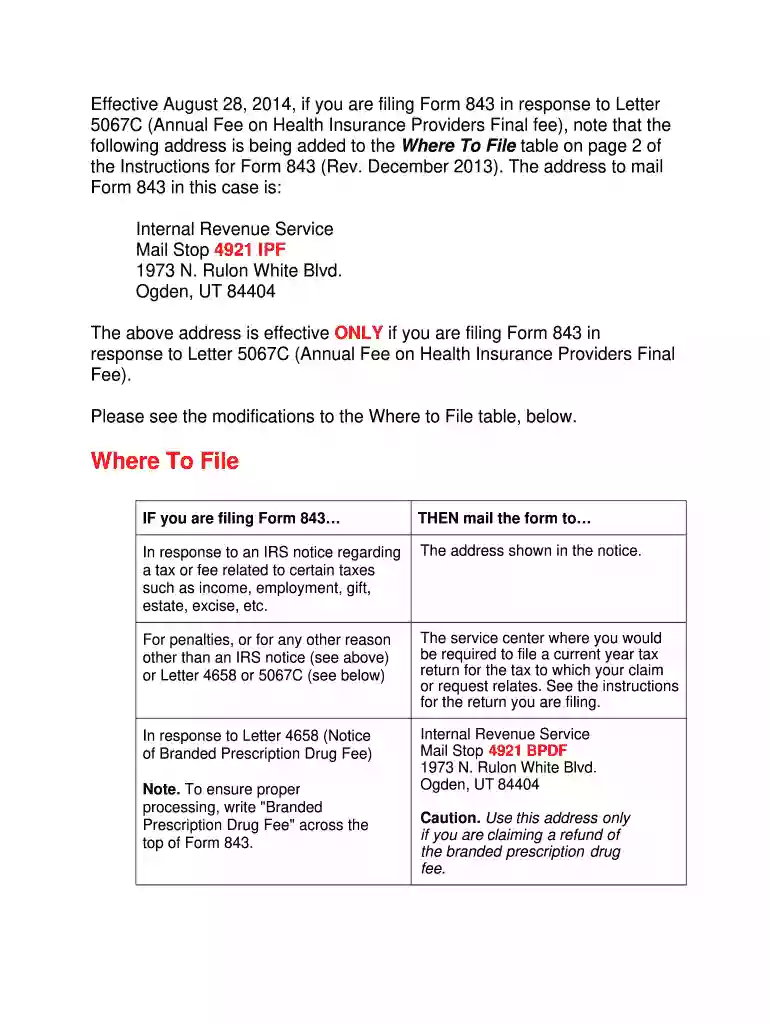
Type text, add images, blackout confidential details, add comments, highlights and more.

Draw your signature, type it, upload its image, or use your mobile device as a signature pad.

Send it via email, link, or fax. You can also download it, export it or print it out.
The 2019 tax forms refer to the official documents used by individuals and businesses in the United States to report their financial activities and calculate the amount of taxes owed to federal and state governments for the year 2019. These forms cover various types of taxes, including income, business, and employment taxes, and are crucial for ensuring compliance with tax laws. Frequently used forms include the 1040 for individual income taxes and forms like 1120 for corporate taxes.
There are several ways to obtain the 2019 tax forms, including:
Online Access: The Internal Revenue Service (IRS) provides downloadable PDFs of the forms on their official website. Not only are the forms available, but instructional guides accompanying these, aid in understanding each section.
Local IRS Offices: Physical copies can also be obtained by visiting local IRS offices if digital access is unavailable or unsuitable for your needs.
Mail Order: Taxpayers can request forms mailed to them by calling the IRS, especially helpful for those with limited internet access.
Tax Preparation Services: Many tax preparation services and software provide access to necessary forms, often integrated into their systems for streamlined filing processes.
Filling out tax forms accurately is critical to avoid any legal issues or penalties. Here’s a general process:
Gather Required Documents: Ensure you have all financial documents, such as W-2s, 1099s, and records of deductions.
Choose the Correct Form: Identify whether you should use the 1040, 1040A, or 1040EZ based on your financial situation and eligibility.
Fill Out Personal Information: Include details such as name, Social Security number, and filing status accurately.
Report Income: Input all sources of income to ensure comprehensive reporting.
Claim Deductions and Credits: Identify applicable deductions and credits you qualify for and complete the appropriate sections.
Calculate Taxes Owed or Refund Due: Use the materials provided to compute whether you owe taxes or are eligible for a refund.
Sign and Date the Form: It's essential for the form to be valid.
Submit the Form: Decide on your preferred method of submission, either online, via mail, or in person.
Each tax form comes with specific guidelines issued by the IRS:
Form Instructions: Every form provides instructions, helping users identify what information is required in each section.
Eligibility and Conditions: Detailed regulations about who can use each form and under what circumstances.
Electronic Filing Options: Guidelines on qualifying for and using electronic filing systems.
Rectification Procedures: Steps for correcting errors or amendments on those filed forms.
Filing deadlines are critical to prevent penalties:
Standard Due Date: Typically, April 15th of each year for individual tax returns.
Extended Deadlines: Extensions up to October 15th are available upon request.
Business Filings: Corporations might have different deadlines, often any time in March or April, depending on the type of entity.
Ensuring legal compliance is vital:
Accuracy and Honesty: Every detail provided must be truthful and verifiable.
Reporting Requirements: Includes worldwide income for U.S. citizens and resident aliens.
Supporting Documentation: All reported figures should have related documentation for validation purposes.
Failure to comply with the IRS guidelines may result in:
Financial Penalties: Fines and fees for late submission or underpayment
Legal Actions: In severe cases, legal proceedings may be initiated
Interest Charges: Accruing on any outstanding taxes owed
To accurately fill out and submit tax forms, the following are typically needed:
Income Statements: W-2s from employers, 1099s for freelance or investment earnings.
Deduction Records: Receipts and statements for deductible expenses.
Previous Year’s Tax Return: Useful reference for consistency and comparison.
Identification: Social Security numbers for all individuals listed on tax forms.
These sections provide a thorough understanding and guide for handling 2019 tax forms, ensuring compliance and accuracy in tax submissions.
We've got more versions of the 2019 tax forms form. Select the right 2019 tax forms version from the list and start editing it straight away!
At DocHub, your data security is our priority. We follow HIPAA, SOC2, GDPR, and other standards, so you can work on your documents with confidence.
For 2019 you expect a refund of all federal income tax withheld because you expect to have no tax liability. If youre exempt, complete only lines 1, 2,. 3, 4,Read more
Try our Prior year forms publications search to quickly find and download prior year forms, instructions and publications. To get started, enter keywords


