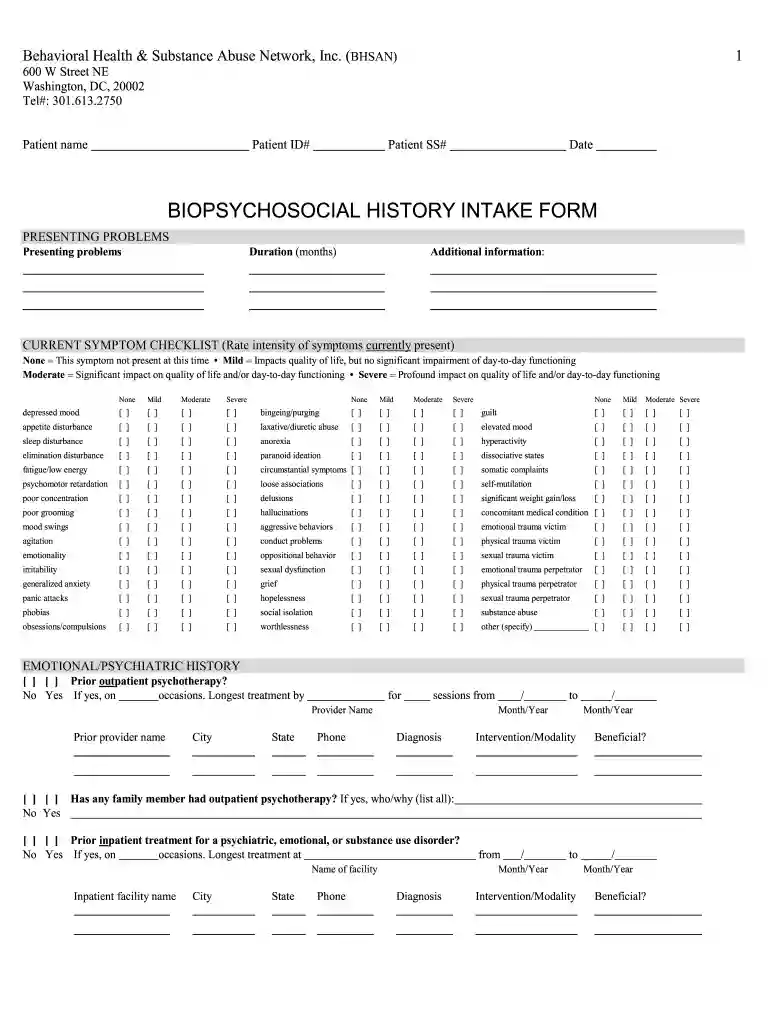
Comprehensive Overview of the Biopsychosocial Intake Form
The biopsychosocial intake form is a pivotal document in the healthcare field, widely used by mental health professionals, addiction specialists, and healthcare providers. It serves to gather comprehensive information regarding a patient’s mental health, emotional state, medical history, and various social factors that may influence their health.
Purpose and Importance of the Biopsychosocial Intake Form
The primary objective of a biopsychosocial intake form is to create a holistic understanding of the patient. The comprehensive data collected assists providers in identifying the interplay between biological, psychological, and social factors affecting the individual's health.
- Clinical Assessment: Facilitates a thorough clinical assessment to guide treatment planning.
- Treatment Customization: Helps in tailoring interventions based on the patient's unique characteristics and circumstances.
- Monitoring Progress: Establishes a baseline for future evaluations, enabling better tracking of patient progress over time.
Structure of the Biopsychosocial Intake Form
A typical biopsychosocial intake form consists of several key sections that collectively capture essential information about the patient:
Personal Information
- Name, date of birth, and contact information.
- Emergency contacts and preferred communication methods.
Presenting Problems and Symptoms
- Description of current issues prompting the visit.
- Duration, severity, and frequency of symptoms.
Psychiatric and Medical History
- Previous psychiatric diagnoses and treatments.
- Relevant medical conditions, medications, and allergies.
Substance Use History
- Details regarding substance use, including alcohol, drugs, and prescription medications.
- History of abuse or dependency and any previous treatment attempts.
Family and Social Background
- Family history of mental health issues or substance abuse.
- Social support systems, living situation, and relationship dynamics.
Unique Features of the Biopsychosocial Intake Process
The intake process may vary based on the provider's approach and the tools being utilized, but typically includes certain practices:
- Structured Interviews: Many providers conduct structured interviews based on the information in the intake form to clarify and expand upon initial responses.
- Observable Behaviors: Observation of the patient’s behavior and demeanor during the intake session can provide additional insights that may not be captured through self-reporting.
- Collaboration with Other Professionals: Integration of information from other healthcare providers may be included to form a more complete picture of the patient’s health.
Examples of Typical Questions in the Biopsychosocial Intake Form
The following are common questions or prompts included within the biopsyhosocial assessment:
- Emotional Wellbeing: "Have you felt depressed or anxious lately? If so, please describe how often."
- Substance Use: "How often do you consume alcohol, and what quantity?"
- Support Systems: "Who do you consider your primary support? How do they assist you during difficult times?"
Advantages of Using a Biopsychosocial Intake Form
Using a structured biopsychosocial intake form presents several advantages for both the provider and the patient:
- Improved Communication: Offers a clear framework for patients to present their situation, leading to better communication and understanding of their needs.
- Comprehensive Data Collection: Facilitates thorough data collection, allowing for improved diagnostic accuracy and treatment plans.
- Time Efficiency: Streamlines the intake process, enabling healthcare providers to gather extensive information in a condensed format.
Incorporating the Biopsychosocial Form in Practice Settings
Healthcare providers can effectively integrate the biopsychosocial intake form into their practices by considering the following strategies:
- Digital Forms: Utilize electronic versions of the forms to enhance accessibility and ease of use, facilitating easier data storage and retrieval.
- Training Staff: Train staff on how to administer and interpret the forms, ensuring consistency in the data collection process.
- Follow-Up Assessments: Incorporate the use of this form during follow-up appointments to evaluate changes in the patient’s situation or condition over time.
The biopsychosocial intake form serves as an essential tool in understanding the multifaceted influences on an individual's health and is integral to effective treatment planning and patient care. Its structured format not only aids in thorough assessment but also fosters collaboration between healthcare providers and their patients.