Type text, add images, blackout confidential details, add comments, highlights and more.
02. Sign it in a few clicks
Draw your signature, type it, upload its image, or use your mobile device as a signature pad.
03. Share your form with others
Send it via email, link, or fax. You can also download it, export it or print it out.
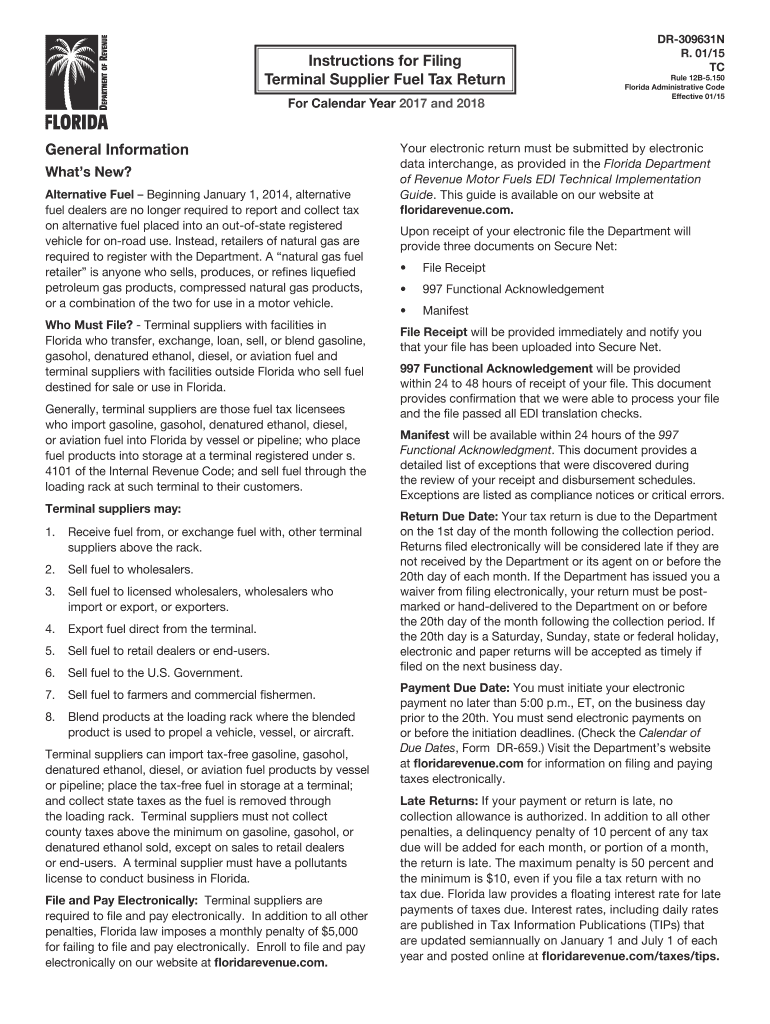
How to use or fill out fuel dealers are no longer required to report and collect tax
Ease of Setup
DocHub User Ratings on G2
Ease of Use
DocHub User Ratings on G2
Click ‘Get Form’ to open it in the editor.
Begin by entering your company name, FEIN, and the collection period at the top of the form. This information is crucial for proper identification.
Proceed to Line 1 where you will report your beginning physical inventory of various fuel types. Ensure that these amounts match your previous month's return.
For Line 2, enter the total receipts from your transactions during the reporting period. Make sure this aligns with your detailed schedules.
In Line 3, input your disbursements for the same period. Again, ensure consistency with your supporting documentation.
Complete Lines 4 through 26 as instructed, ensuring all calculations are accurate and reflect any applicable taxes or allowances.
Finally, sign and date the return before submission to confirm its accuracy and completeness.
Start using our platform today to streamline your fuel tax reporting process for free!
Fill out fuel dealers are no longer required to report and collect tax online It's free
See more fuel dealers are no longer required to report and collect tax versions
We've got more versions of the fuel dealers are no longer required to report and collect tax form. Select the right fuel dealers are no longer required to report and collect tax version from the list and start editing it straight away!
Dyed diesel fuel is for non taxable purposes onlyAd or rack allowances are payments for preferential shelf space these payments are not taxableCdtfa diesel fuel taxSales tax on gasolineTaxes on dieselTaxes on california gasolineGasoline excise taxCalifornia gasoline tax 2025
Security and compliance
At DocHub, your data security is our priority. We follow HIPAA, SOC2, GDPR, and other standards, so you can work on your documents with confidence.
14-007 Code Vt. R. 14-050-007-X - FUEL USER REGULATIONS
(a) A distributor shall collect the tax due at the time of delivery from all dealers except those dealers who also sell fuel as home heating oil and thoseRead more
Effective January 1, 2025, retailers previously obligated to collect and Prepaid sales tax on motor fuel Motor fuel distributors file Form PST-1Read more
Annual List of Distributors For Motor Vehicle Fuels Tax
Purpose: This Announcement identifies persons licensed as motor fuels distributors by the Department of Revenue Service (DRS) as of January 1, 2012. Background:Read more
Cookie consent notice
This site uses cookies to enhance site navigation and personalize your experience.
By using this site you agree to our use of cookies as described in our Privacy Notice.
You can modify your selections by visiting our Cookie and Advertising Notice.