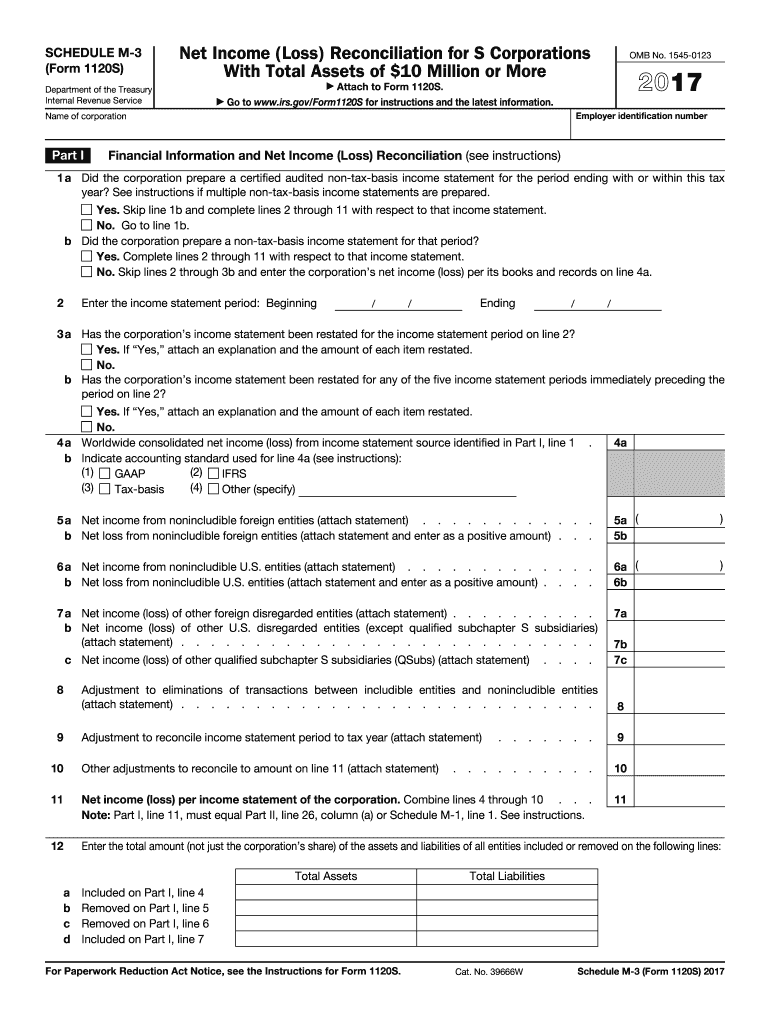







Definition and Purpose of Form 1120S
Form 1120S, also known as the U.S. Income Tax Return for an S Corporation, is used by S corporations to report income, losses, and dividends, among other financial details. This form is crucial for ensuring compliance with IRS regulations and for accurately reconciling the corporation’s financial activities with tax obligations. An S corporation is a special type of corporation that passes income directly to shareholders to avoid double taxation, making this form integral to signifying that status.
Key Features
- Income Reporting: Reflects the corporation’s income, enabling precise calculation of taxes owed.
- Pass-Through Income: Provides fields for income distribution to shareholders, aligning with S corporation benefits.
- Tax Calculation: Offers sections for determining tax responsibilities after deductions and credits.
How to Use Form 1120S
To properly utilize Form 1120S, corporations must gather detailed financial information to input accurately. This involves reconciling income from standard operations with allowable deductions, such as salary and fringe benefits, distributed profits, and other pertinent financial details.
Step-by-Step Guide
- Gather Documentation: Collect all relevant financial statements and prior year’s tax forms.
- Calculate Income and Deductions: Accurately compile figures for gross receipts, sales, and allowable deductions.
- Complete the Form: Input these figures into the specific sections dedicated to income, deductions, and shareholder distributions.
- Review for Compliance: Thoroughly check each entry against IRS guidelines to prevent errors.
How to Obtain Form 1120S
S corporations can acquire Form 1120S through several convenient methods. The IRS website offers downloadable versions that can be printed or used electronically. Alternatively, physical copies can be requested from IRS offices or reputable tax preparation services.
Accessibility Options
- Online Download: Available on the IRS website for users preferring digital interaction.
- Local IRS Office: Obtain paper forms from local IRS branches.
- Professional Services: Tax preparation firms often provide form copies as part of their services.
Steps to Complete Form 1120S
Completing Form 1120S involves meticulous attention to detail to ensure all financial data is accurately reflected. The form comprises several parts, each requiring specific information about the corporation's fiscal activities.
Detailed Breakdown
- Part I: Enter income and deductions, detailing revenue streams and corresponding expenses.
- Part II: Outline the shareholders' distributive income share.
- Part III: Fill out balance sheets to reconcile financial statements with tax information.
- Review and Submit: Double-check for any discrepancies before submission to the IRS.
Importance of Filing Form 1120S
Filing Form 1120S is essential for compliance with federal tax laws for S corporations. Accurate completion ensures corporations avoid legal repercussions and maintain proper financial records, critical for business operations and shareholder transparency.
Benefits of Compliance
- Avoid Penalties: Ensures timely submission reduces the risk of incurring penalties.
- Financial Accuracy: Facilitates precise tracking and reporting of financial data.
- Shareholder Clarity: Maintains clear records of income distributions, supporting shareholder trust.
Who Typically Uses Form 1120S
Form 1120S is predominantly used by S corporations, often comprised of small to medium-sized businesses looking to capitalize on pass-through taxation benefits. Owners and operators with eligible shareholder arrangements rely on this form to report and distribute income fairly.
Common Business Types
- Small Enterprises: Typically smaller businesses with fewer shareholders.
- Closely Held Corporations: Firms with limited owners who benefit from pass-through income.
- Family Businesses: Utilize the form for distributing income among family member shareholders.
Important Terms Related to Form 1120S
Understanding the terminology associated with Form 1120S is crucial for accurate completion. Key terms include "pass-through income," "shareholder distribution," and "deductions," all pivotal in correctly balancing corporate financial activities with tax obligations.
Glossary of Terms
- Pass-Through Income: Income transferred to shareholders that avoids corporate taxation.
- Shareholder Distribution: Allocation of company profits among shareholders.
- Deductions: Allowable reductions against income for computing taxable income.
Legal Use of Form 1120S
The correct legal application of Form 1120S ensures S corporations operate within the scope of IRS regulations. Misuse or inaccurate reporting can lead to penalties or revocation of S corporation status.
Compliance Tips
- Accurate Reporting: Ensure all income and expenses are documented and verified.
- Timely Filing: Submit by established deadlines to avoid late penalties.
- Professional Assistance: Consider consulting with tax professionals for complex scenarios.
IRS Guidelines for Form 1120S
The IRS outlines specific guidelines to facilitate the correct filing of Form 1120S. These guidelines emphasize accuracy in reporting income, deductions, and shareholder distributions.
Key Guidelines
- Diligent Record-Keeping: Maintain accurate records for all financial transactions.
- Adherence to Deadlines: Follow submission timelines to ensure form acceptance.
- Error Checking: Utilize tools and resources to review entries for common mistakes.