




2017 irs h form-2026

Get Form
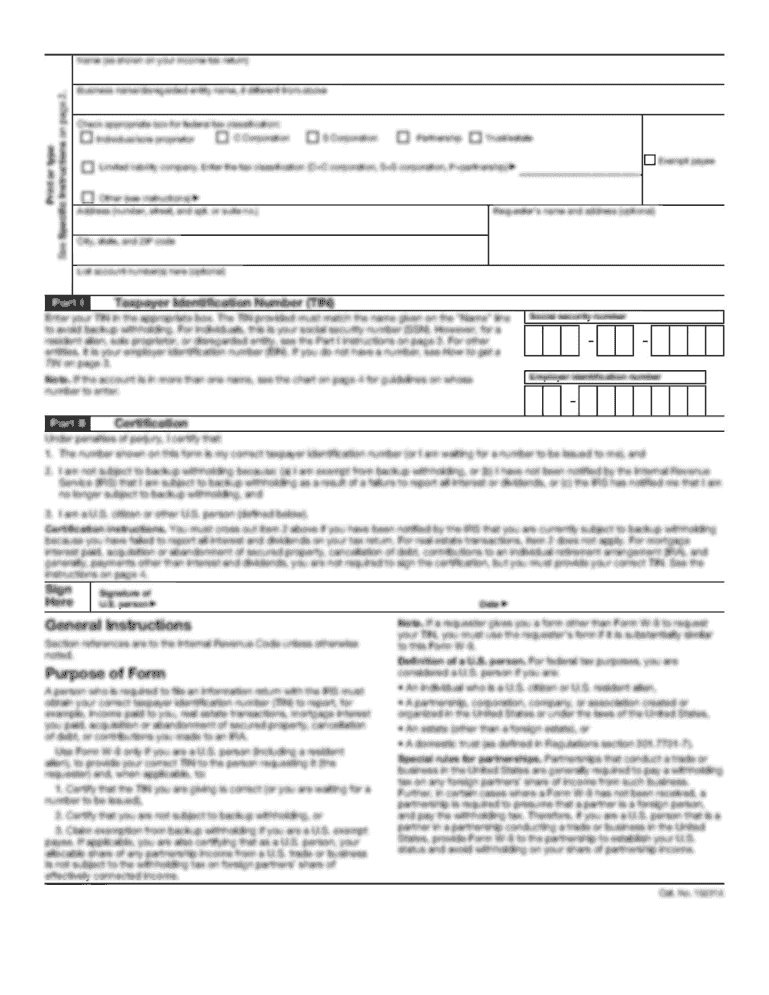
h 2017 Preview on Page 1

Here's how it works

01. Edit your h 2017 online
Type text, add images, blackout confidential details, add comments, highlights and more.
02. Sign it in a few clicks
Draw your signature, type it, upload its image, or use your mobile device as a signature pad.
03. Share your form with others
Send it via email, link, or fax. You can also download it, export it or print it out.

Definition and Purpose of the 2017 IRS H Form

The 2017 IRS H form, also known as Schedule H (Form 990), is a crucial document that hospitals must complete when filing their annual information return with the Internal Revenue Service (IRS). Its primary purpose is to disclose a hospital's financial assistance policies and community benefits, providing essential transparency into how organizations serve their communities financially and medically.

Key Components of the Schedule H Form

  • Financial Assistance Policies: Hospitals must detail their criteria for providing financial assistance, including the eligibility thresholds for free or discounted care.
  • Community Building Activities: This section outlines initiatives undertaken to improve community health, beyond traditional medical care, such as public health campaigns and wellness programs.
  • Bad Debt and Medicare Revenues: Hospitals must report on bad debt managed by the facility and assess the revenue generated from Medicare services.
  • Billing and Collection Practices: This requires hospitals to disclose how they collect payments and manage debts from patients, particularly in light of their financial assistance policies.

Understanding the intricacies of the 2017 IRS H form is essential for hospital administration, ensuring compliance and fostering community trust.

How to Obtain the 2017 IRS H Form

Accessing the 2017 IRS H form is a straightforward process. The form is available online through the IRS website and can be downloaded for free. Additionally, many accounting software platforms that include tax preparation functions provide this form as part of their services.

Steps to Acquire the Form

  1. Visit the IRS Website: Navigate to the official IRS website.
  2. Search for Form 990: Use the search function to find "Form 990" and access the related documents, including Schedule H.
  3. Download: Choose the 2017 version of the form and download it in PDF format.
  4. Printing: For those who prefer paper forms, print the downloaded document for completion.

It's important for hospitals to ensure they use the correct version, as revisions can change reporting requirements.

Steps to Complete the 2017 IRS H Form

Completing the 2017 IRS H form requires careful attention to detail to comply with IRS standards. Each section demands specific information that reflects the hospital’s operations and community engagements.

Detailed Steps for Completion

  1. Begin with Basic Information: Fill out the general information about the hospital, including its name, EIN, and the tax year.
  2. Disclose Financial Assistance Policies: Clearly articulate the policies on financial assistance. Include eligibility criteria and how patients can apply for assistance.
  3. Describe Community Benefits: Provide detailed descriptions of activities that benefit the community and the metrics that reflect their impact, such as the number of uninsured patients served.
  4. Report Financials: Accurately input figures regarding bad debt, Medicare revenues, and charitable contributions.
  5. Review and Verify: Ensure all information is complete and accurate before submission. It’s wise to have another accountant or financial officer review the form to catch any errors or omissions.

The complexities involved necessitate a diligent approach, as inaccuracies can affect compliance status and potential audits.

Important Terms Related to the 2017 IRS H Form

Understanding key terminology associated with the 2017 IRS H form is essential for anyone involved in its completion or oversight.

Key Terminologies Defined

  • Financial Assistance Policy (FAP): A documented process outlining how a hospital provides aid to patients who cannot afford to pay, setting forth criteria to qualify for assistance.
  • Community Benefit: Initiatives that a hospital undertakes to improve health outcomes within its community, beyond mere medical services.
  • Bad Debt: Money owed to a hospital for services rendered that is deemed uncollectible, often categorized separately for reporting purposes.
  • Medically Necessary Services: Treatments or procedures that are deemed necessary for the maintenance of health, which may often be considered for reimbursement under Medicare.

Familiarity with these terms will aid stakeholders in accurately interpreting and completing the form, ensuring comprehensive understanding and compliance.

Legal Use of the 2017 IRS H Form

The legal implications surrounding the use of the 2017 IRS H form are significant, as compliance is essential to maintain tax-exempt status for hospitals recognized as 501(c)(3) organizations.

Regulatory Framework

  • ESIGN Act Compliance: Electronic signatures used in filing the form must comply with the ESIGN Act, ensuring that submissions are legally binding.
  • IRS Guidelines: Adherence to the IRS's standards for reporting and documentation is mandatory. Failure to comply can result in penalties or loss of tax-exempt status.
  • Transparency Obligations: Hospitals are legally required to disclose their community benefit activities and financial assistance policies to promote transparency and accountability.

Understanding these legal requirements helps hospital administrators mitigate risk and ensure continued compliance with federal regulations.

Filing Deadlines and Important Dates for the 2017 IRS H Form

Timely submission of the 2017 IRS H form is paramount to avoid penalties and maintain compliance. Understanding key deadlines can significantly influence filing practices.

Key Deadlines

  • Form Submission Deadline: For most hospitals, the deadline to file Form 990, including Schedule H, is the 15th day of the fifth month after the end of the organization’s fiscal year.
  • Extensions: Hospitals may file for an automatic six-month extension, but it is essential to submit the application before the original deadline to avoid penalties.
  • Penalties for Late Filing: Failure to file on time can result in financial penalties and may also hinder a hospital’s tax-exempt status.

Staying informed about deadlines helps ensure that hospitals can adequately prepare and file their forms without the risks associated with late submissions.

Examples of Using the 2017 IRS H Form

Exploring real-life scenarios can provide insight into the practical application of the 2017 IRS H form within hospital operations.

Practical Use Cases

  1. Small Community Hospital: A small facility uses the form to report its assistance policies, demonstrating a commitment to supporting low-income patients by highlighting cases of care provided without charge.
  2. Urban Teaching Hospital: A larger institution may complete the form to reflect extensive community health initiatives, such as free health screenings and vaccination drives conducted to improve public health outcomes.
  3. Specialty Care Center: A surgical center could utilize the form to report the costs associated with charity surgeries performed for patients lacking insurance.

These examples illustrate how hospitals across different contexts leverage the form to highlight their community service impact, fulfilling both regulatory obligations and promoting goodwill.

See more 2017 irs h form versions

We've got more versions of the 2017 irs h form form. Select the right 2017 irs h form version from the list and start editing it straight away!
Versions Form popularity Fillable & printable
2023 4.9 Satisfied (53 Votes)
2022 4.5 Satisfied (58 Votes)
2021 4.8 Satisfied (213 Votes)
2020 4.2 Satisfied (42 Votes)
2019 3.8 Satisfied (41 Votes)
2018 4.3 Satisfied (47 Votes)
2017 4.4 Satisfied (112 Votes)
2016 4.4 Satisfied (458 Votes)
2012 4 Satisfied (49 Votes)
be ready to get more

Complete this form in 5 minutes or less

Get form

Got questions?

We have answers to the most popular questions from our customers. If you can't find an answer to your question, please contact us.
Contact us
Personal exemption phaseout - for every $2,500 of AGI above these income limits, the $4,050 (2017) per-person personal exemption will be reduced by 2%. Personal exemption will be fully phased out for individuals with AGI greater than $384,000 and joint filers with AGI greater than $436,300.
Since 1990, personal exemptions phased out at higher income levels. In 2017, the phaseout began at $261,500 for singles and $313,800 for married couples filing a joint return. Personal exemptions were completely phased out at $384,000 for singles and $436,300 for married couples.
The personal exemption is suspended from 2018 through 2025, but will be reinstated starting in 2026 if current tax law is not changed by then. For all but three years (2010- 2012) from 1991 to 2017, the exemption phased out for taxpayers with income above a threshold amount.
In the 2017 tax year, the exemption typically resulted in a $4,050 reduction of taxable income for each one you qualified for. For a family that qualified for four exemptions, the total reduction of taxable income ended up being $16,200. Starting in the tax year 2018, you could no longer claim personal exemptions.
For example, in 2017, the standard deduction was $12,700 for a married couple filing jointly, $6,350 for a single or married filing separately filer, and $9,350 for a head of household; each personal exemption was $4,050.
be ready to get more

Complete this form in 5 minutes or less

Get form

People also ask

6. Standard Deduction Heads of Households ( Section 1(j)(2)(B) ) Tax YearStandard Deduction 2019 $18,350 2018 $18,000 2017 $9,35030 more rows
Yes, you should file Schedule H and pay the employment tax with your 1040, as long as your payroll service is not filing the Forms 940 and 941.
Use Schedule H (Form 1040) to report household employment taxes if you paid cash wages to a household employee and the wages were subject to social security, Medicare, or FUTA taxes, or if you withheld federal income tax.

Related links