



01. Edit your 2016 form 1120 instructions online
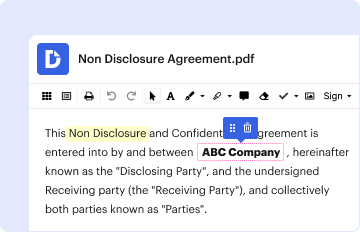
Type text, add images, blackout confidential details, add comments, highlights and more.

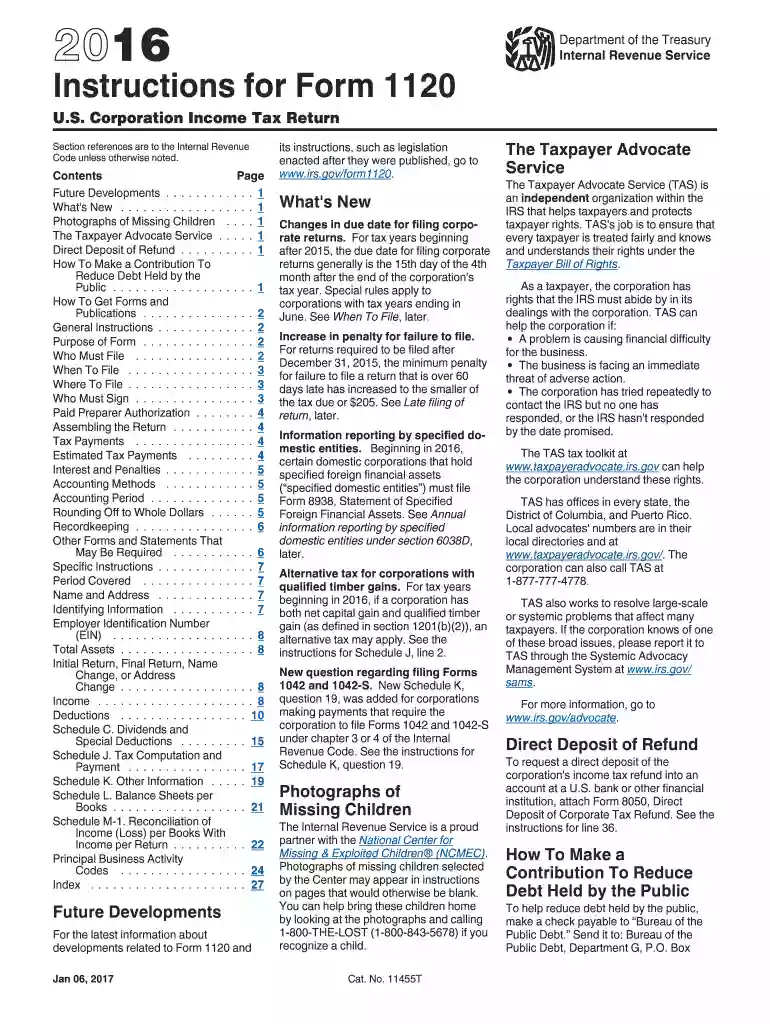
Type text, add images, blackout confidential details, add comments, highlights and more.
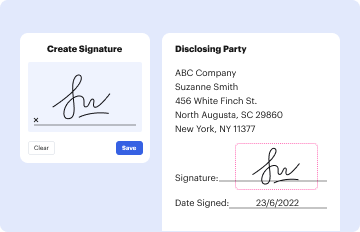
Draw your signature, type it, upload its image, or use your mobile device as a signature pad.

Send it via email, link, or fax. You can also download it, export it or print it out.
IRS Form 1120 is a crucial document used by corporations operating in the United States to report their income, gains, losses, deductions, credits, and to compute their income tax liability for the 2016 tax year. The instructions for this form provide comprehensive guidance on how to accurately complete and file the U.S. Corporation Income Tax Return. This form must be filed by C corporations, as well as other associations that elect to be taxed as corporations. Understanding the instructions ensures compliance with tax laws and helps corporations avoid penalties for inaccuracies or late submissions.
Gather Required Information: Before beginning, collect all necessary financial records, including income statements, balance sheets, and details of any deductions or credits.
Complete Basic Information: Enter the corporation's name, address, Employer Identification Number (EIN), and the tax year covered.
Report Income: List all sources of income, including gross receipts, sales, and other revenue streams, while ensuring alignment with documented financial records.
Claim Deductions: Identify and report allowable business deductions such as salaries, rent, and employee benefits. Ensure conformity with the Internal Revenue Code.
Compute Taxable Income: Calculate taxable income by deducting total expenses from total income received during the year.
Determine Tax Liability: Use current tax rates and applicable credits to compute the corporation's tax obligation.
Review and Submit: Double-check all information for accuracy, then file the completed form by the due date, typically the 15th day of the 4th month after the end of the corporation’s tax year.
Corporate tax returns using Form 1120 are generally due on April 15th of the year following the close of the tax year for calendar year corporations. For fiscal year filers, the deadline is the 15th day of the 4th month following the fiscal year-end. Extensions can be obtained by filing Form 7004, allowing an additional six months to file the return, but not to pay taxes due. Corporations must ensure timely filing to avoid late-filing penalties.
Failing to file Form 1120 or filing inaccurately may result in significant penalties. The IRS can impose a penalty for late filing, calculated as 5% of the unpaid tax for each month or part of a month the return is late, up to a maximum of 25%. Additional penalties exist for unpaid taxes, underpayment of estimated taxes, and inaccuracies. Corporations must ensure they understand the filing requirements and submit accurate forms to minimize potential penalties.
The IRS Form 1120 Instructions for the 2016 tax year can be accessed through the IRS website, allowing corporations to download and print copies directly. Additionally, the IRS provides options to order paper copies for free delivery. Tax software like TurboTax or QuickBooks can also offer integrated instructions, providing a guided experience for digital filing. By obtaining and following the instructions, corporations can ensure accurate completion of the form.
Corporations organized under U.S. law and operating within the United States are required to file Form 1120. This includes both domestic and foreign corporations that conduct business within the U.S. or receive income from U.S. sources. Exempt from filing are non-profit organizations and entities not recognized as corporations under federal tax law. Corporations should assess their operations and consult the eligibility criteria to confirm their requirement to file Form 1120.


Corporations may choose to submit IRS Form 1120 either digitally or via mail. Digital submission is facilitated through approved tax filing software that directly transmits data to the IRS. Paper submissions require mailing the completed form to the designated IRS service center based on the corporation’s location. Electronic filing offers benefits such as timely submission acknowledgment and reduced processing time, promoting efficiency and accuracy in tax filing.
We've got more versions of the 2016 form 1120 instructions form. Select the right 2016 form 1120 instructions version from the list and start editing it straight away!
| Versions | Form popularity | Fillable & printable |
|---|---|---|
| 2024 | 4.6 Satisfied (53 Votes) | |
| 2022 | 4.9 Satisfied (52 Votes) | |
| 2021 | 4.8 Satisfied (56 Votes) | |
| 2020 | 4.2 Satisfied (35 Votes) | |
| 2019 | 4.3 Satisfied (48 Votes) | |
| 2018 | 4.1 Satisfied (67 Votes) | |
| 2017 | 4.4 Satisfied (54 Votes) | |
| 2016 | 4.4 Satisfied (290 Votes) | |
| 2015 | 4.2 Satisfied (57 Votes) | |
| 2014 | 4 Satisfied (55 Votes) | |
| 2013 | 3.9 Satisfied (49 Votes) | |
| 2011 | 4 Satisfied (45 Votes) |
At DocHub, your data security is our priority. We follow HIPAA, SOC2, GDPR, and other standards, so you can work on your documents with confidence.
Enter the tax form number here (1040, 1065, 1120, etc.) and check the appropriate box below. Enter only one tax form number per request. a Return TranscriptRead more
Jan 6, 2017 Use Form 1120, U.S. Corporation Income. Tax Return, to report the income, gains, losses, deductions, credits, and to figure the income taxRead more


