




Definition & Meaning
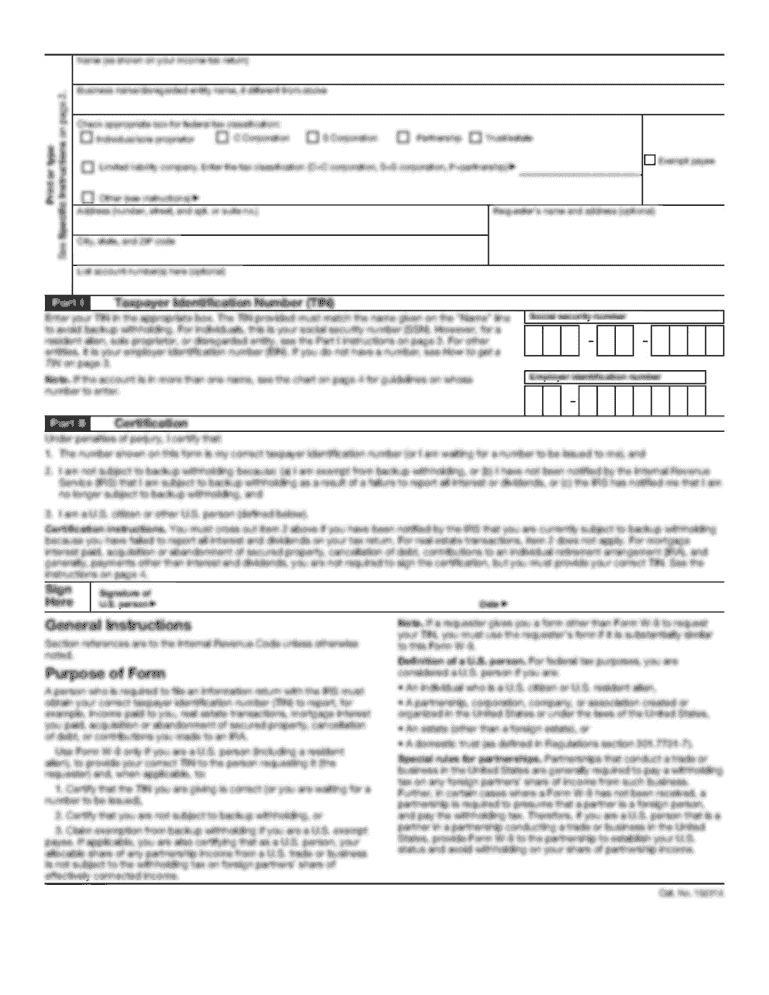
Form 8883, formally titled "Asset Allocation Statement" from the Department of the Treasury, Internal Revenue Service (IRS), is used for reporting information related to certain acquisitions made under Section 338. This form is a critical element for businesses undergoing organizational changes, specifically when a corporation is treated as having sold and repurchased its assets. The primary goal of the form is to ensure proper tax reporting and compliance during these transitions.
Key Elements and Components
- Filing Entity Information: Includes both the filer's and the target corporation's details.
- Acquisition Details: Requires comprehensive reporting on the acquisition costs, including stock purchases and the allocation of assets.
- Asset Classifications: Segment assets into different classes based on IRS guidelines, ensuring accurate taxation.
Form 8883 plays a crucial part in maintaining tax compliance and accurate reporting during corporate restructuring. Understanding its importance can help businesses plan their financial and tax strategies more effectively.
How to Use Form 8883
Using Form 8883 involves several steps to ensure that all details related to a Section 338 election are accurately reported:
- Identification of Parties: Document the identification numbers and other relevant information of all parties involved.
- Acquisition Cost Allocation: Break down the purchase price of the target corporation into various asset classes.
- Asset Allocation Documentation: Specify how assets are allocated among the designated classes to comply with IRS Section 1060's residual method.
The process demands thorough attention to detail and a solid understanding of IRS requirements to avoid errors and potential compliance issues.
Steps to Complete Form 8883
Detailed Completion Process
- Prepare Required Information: Gather all details about the parties involved and financial data related to the acquisition.
- Allocate Purchase Price: Use IRS guidelines to allocate the total purchase price among different classes of assets.
- Complete Each Section: Fill out every required section carefully, addressing all prompts related to asset allocation and acquisitions.
- Double-Check for Accuracy: Verify all filled details, ensuring there are no discrepancies that might invite penalties.
- Retain Supporting Documentation: Maintain copies of related contracts and documentation as proof of the allocation decisions made.
These steps form a comprehensive guide to accurately completing Form 8883, keeping your corporate tax filings in line with government mandates.
IRS Guidelines
The IRS offers specific guidance on how to complete Form 8883 as part of the Section 338 election process. This encompasses the valuation and allocation of assets acquired during corporate transitions:
- Asset Classifications: Refer to IRS Publication 551 for defining asset classes.
- Reporting Standards: Follow the instructions provided in the IRS Form 8883 filing guide to determine the proper procedure for asset reporting and allocation.
- Relevant Laws: Ensure compliance with applicable sections of the IRS tax code, such as Sections 338(g) and 338(h)(10).
Following these guidelines helps businesses ensure compliance and avoid common pitfalls in reporting asset transactions.
Important Terms Related to Form 8883
Key Terminologies Explained
-
Section 338 Election: This refers to a tax election allowing a purchasing corporation to treat the acquisition of stock as an asset purchase for tax purposes. It provides fiscal advantages in asset depreciation and amortization.
-
Residual Method: A method prescribed by IRS Section 1060, which determines asset allocation in a transaction by classifying assets under various categories to reflect accurate value assignment.
-
Target Corporation: The entity being acquired whose asset allocation post-transaction is reported through this form.
These terms form the foundation upon which transactions involving Form 8883 are based and are essential for accurate compliance and reporting.
Filing Deadlines / Important Dates
Timeline Considerations
- Initial Filing Deadline: Typically, Form 8883 must be submitted with the taxpayer's income tax return for the year that includes the acquisition date.
- Amendment Windows: If errors occur, corrections should be made promptly by amending the filed returns.
- Specific Periods: Compliance requires awareness of any specific deadlines communicated by the IRS regarding unique acquisition scenarios.
Understanding and adhering to these deadlines is crucial for maintaining good standing with tax authorities and avoiding penalties.
Required Documents
When preparing Form 8883, you will need several key pieces of documentation:
- Corporate Purchase Agreements: These documents outline the terms of the acquisition, including agreements to sell stocks.
- Allocation Worksheets: Provide a breakdown of the value attributed to different classes of assets.
- Identification Numbers: Include valid IRS identification numbers for all involved parties.
Proper documentation supports the claims made in Form 8883 and aids in a smoother filing process.
Penalties for Non-Compliance
Failure to accurately complete and timely file Form 8883 can result in consequences such as:
- Fines and Penalties: Monetary fines imposed by the IRS due to discrepancies or missed deadlines.
- Increased Audit Risk: Submitting inaccurate reports increases the probability of being selected for an IRS audit.
- Tax Liabilities: Misreported asset values may lead to additional tax liabilities, impacting the financial health of involved entities.
Understanding these potential repercussions emphasizes the importance of precision and timeliness when dealing with Form 8883.