






Definition and Meaning
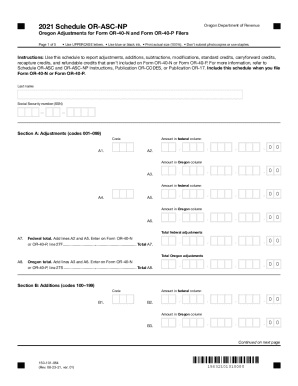
The "1065 dDocHubcom 2016 form" refers to a document associated with the U.S. Internal Revenue Service (IRS) Form 1065, which is used by partnerships to report income, deductions, and other tax-related information. This form is crucial for capturing and detailing partnership financial data necessary for tax reporting. Utilizing DocHub can streamline the process of completing and managing this form digitally, leveraging tools to fill out, sign electronically, and store the completed 1065 in compliance with legal standards.
How to Obtain the 1065 dDocHubcom 2016 Form
The 1065 form and its associated schedules can be acquired directly from the IRS website or through authorized tax software platforms. DocHub users can import the form into the platform from their computer or directly from cloud storage services such as Google Drive. Once imported, the form is ready for editing and digital signing, simplifying the management process without the need for physical paperwork.
Steps to Complete the 1065 dDocHubcom 2016 Form
-
Gather Required Information: Collect all necessary financial records and details about the partnership's income, expenses, gains, and losses.
-
Fill Out Basic Information: Start by entering the partnership's basic information, including the name, address, and Employer Identification Number (EIN).
-
Enter Income Details: Accurately record all sources of the partnership's income, each relevant to sections specified in the 1065 form.
-
Report Deductions and Credits: Utilize DocHub's editing tools to input expenses and other allowable credits to minimize taxable income.
-
Complete Additional Schedules: Ensure to fill out additional schedules like Schedule K-1 for partners' distributions and other specified reports.
-
Review and Sign Form: Use DocHub to review the form for errors and apply legally binding electronic signatures.
-
Submit the Form: Decide between filing electronically or printing the document for mail submission, according to IRS guidelines.
Who Typically Uses the 1065 dDocHubcom 2016 Form
Partnerships, including limited liability companies (LLCs) taxed as partnerships, are the primary users of the 1065 form. Each partner within the partnership is equally affected, as the form reports the entity's financial performance, affecting partners' individual tax responsibilities.


Key Elements of the 1065 dDocHubcom 2016 Form
- Partnership Identification: Includes the legal name and EIN of the partnership.
- Income Reporting: Details on gross sales, allowances, cost of goods sold, and other operating income.
- Deductions: A comprehensive section on wage expenses, rents, repairs, and other operating expenses like depreciation.
- Partners' Details: Information crucial for calculating each partner's share of the partnership's profits and losses.
IRS Guidelines
The IRS mandates strict adherence to their guidelines when completing the 1065 form. Users must ensure accuracy in reporting income and deductions and attach relevant schedules. Failure to comply with IRS standards can lead to penalties, making adherence crucial for partnerships.
Filing Deadlines and Important Dates
For partnerships, the filing deadline for the 1065 form is typically March 15th for calendar-year filers, with extensions available for those needing more time. Partnerships should be aware of changes in tax laws that might affect these dates.
Required Documents
To complete the 1065 form, partnerships need:
- Financial statements detailing income, expenses, assets, and liabilities.
- Corresponding documents for each partner, such as share allocation agreements.
- Comprehensive records of deductible expenses like salaries and payment proofs.
Examples of Using the 1065 dDocHubcom 2016 Form
A three-member LLC operating a local bakery uses the 1065 form to report its annual income from sales and expenses on raw materials and employee wages. Each member receives a Schedule K-1 reflecting their share of the income and loss, ensuring complete transparency and correct tax filings under IRS regulations. By using DocHub, the LLC simplifies document preparation, collaboration among members, and adherence to compliance standards.