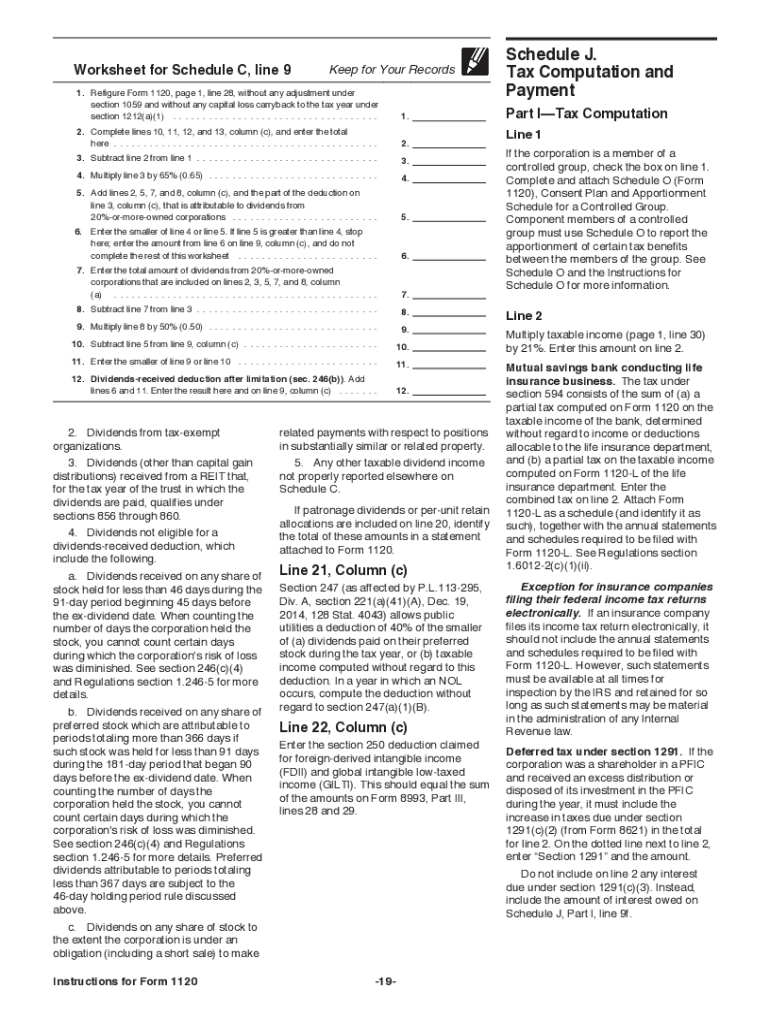







Definition and Importance of Corporate Tax Rates
Corporate tax rates refer to the percentage of a corporation's income that is paid to the government in taxes. These rates are a significant consideration for businesses operating within the United States as they directly influence a company's profitability and operational decisions. Understanding the nuances of corporate tax rates can assist businesses in strategic planning, financial forecasting, and ensuring compliance with tax legislation. For some corporations, the tax rate also impacts decisions about investment and expansion, making it a pivotal element of business strategy.
Examples: Navigating Corporate Tax Returns
Corporations of different sizes face varying tax obligations. For example, small businesses might navigate tax credits and deductions specific to their size, while larger corporations consider international tax rates and transfer pricing. A company with offshore operations may need to understand how domestic rates interact with foreign tax obligations, affecting their overall tax liability.
Steps to Complete Corporate Tax Forms
-
Gather Required Financial Documents:
- Profit and loss statements
- Balance sheets
- Transaction records
-
Analyze Applicable Deductions and Credits:
- Research industry-specific deductions
- Explore federal and state tax credits
-
Calculate Taxable Income:
- Deduct applicable expenses from total revenue
- Adjust income based on credits and deductions
-
Determine Applicable Tax Rates:
- Refer to current federal and state rates
- Ascertain if special rates apply to your industry
-
Complete IRS Form 1120:
- Accurately fill in income, deductions, and credits
- Review supporting schedules for accuracy
-
Submit Form and Payment:
- File electronically or by mail
- Ensure payment aligns with calculated tax liability
How Business Entities Influence Corporate Tax Rates
Business Entity Types: Impact on Taxation
-
Corporations (C-Corp):
- Subject to double taxation; corporate profits taxed, and dividends are taxed to shareholders.
-
S Corporations:
- Income passed through to shareholders and taxed at individual rates to avoid double taxation.
-
Limited Liability Companies (LLCs):
- Typically taxed as partnerships; flexibility to choose corporate tax treatment if beneficial.
Considerations for Choosing an Entity:
Each entity type incorporates different tax implications and eligibility criteria, affecting not only how income is taxed but also what deductions and credits may be applied.
IRS Guidelines for Corporate Tax Compliance
The IRS provides specific instructions and guidelines for corporations when filing their taxes. It’s crucial for companies to understand these mandates to stay compliant and avoid penalties. Guidelines include:
- Definitions of gross income, deductions, and credits.
- Rules for carryforwards and carrybacks of losses.
- Filing requirements for estimated tax payments.
Techniques for Maximizing Tax Efficiency
Corporations can plan by:
- Using tax credits to reduce the total taxable income.
- Utilizing depreciation on assets to decrease taxable profits.
- Understanding applicable incentives for research and development or renewable energy initiatives.
State-Specific Corporate Tax Considerations
Corporate tax rates can vary widely across states. Understanding local corporate tax rates and compliance requirements can aid companies in effective state-level tax planning.
Factors Influencing State Tax Rates:
-
Business Nexus:
- Determining tax liability based on physical presence or economic activity in a state.
-
State-Specific Incentives:
- Opt-in programs encouraging business growth in specific sectors or areas.
Penalties for Non-Compliance with Corporate Tax Laws
Non-compliance with corporate tax obligations can result in severe penalties. Examples of infractions include underreporting income, failing to file returns, or incorrect tax calculations.
Common Penalties:
-
Failure to File:
- Penalties for late submission of returns.
-
Accuracy-Related Penalties:
- Imposed for substantial understatements (usually exceeding 10% of tax required).
-
Fraud Penalties:
- Most severe for intentional omission or misrepresentation.
Technology's Role in Managing Corporate Tax Rates
Software Compatibility:
Business tax software such as TurboTax or QuickBooks can facilitate tax calculations and filing. Understanding software tools' compatibility with corporate tax management processes enables businesses to streamline tax obligations efficiently.
Features of Tax Software:
- Automated tax calculations reducing human error.
- Alerts for filing deadlines and recent tax law changes.
- Scenario planning for future tax liabilities.
In summary, corporate tax rates are a complex yet essential aspect of running a business within the United States. By understanding rates, adhering to IRS guidelines, and leveraging technology, corporations can effectively manage their tax responsibilities. Among various taxation aspects, state-specific rules, business entities, and the IRS's evolving guidelines present distinct challenges and opportunities for efficient tax management.