Rental ledger 2026

Get Form
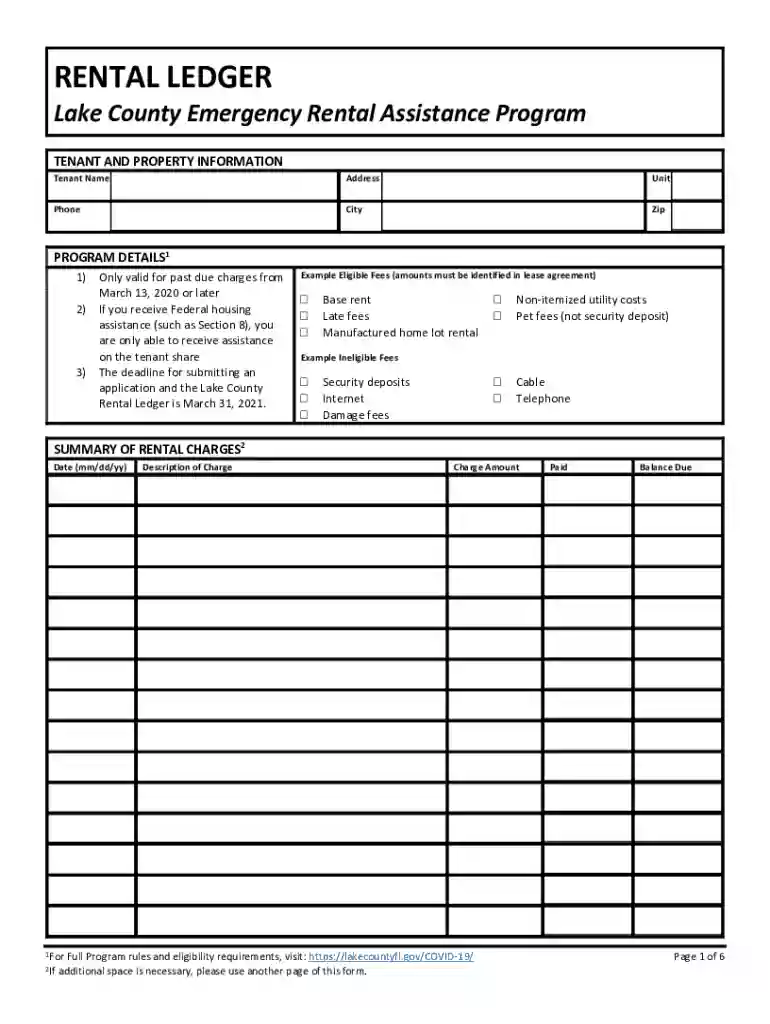
rent ledger template Preview on Page 1

Here's how it works

01. Edit your rent ledger template online
Type text, add images, blackout confidential details, add comments, highlights and more.

02. Sign it in a few clicks
Draw your signature, type it, upload its image, or use your mobile device as a signature pad.

03. Share your form with others
Send tenant ledger template via email, link, or fax. You can also download it, export it or print it out.

Definition and Meaning of a Rental Ledger

A rental ledger is a detailed financial document that records all transactions between a landlord and a tenant over a defined period. This ledger serves as a comprehensive account of all rental payments made, outstanding balances, and any other charges related to the tenancy. Typically structured in table format, it allows both parties to track payments, ensuring transparency and clarity in financial dealings related to the lease agreement.

Key components usually included in a rental ledger are:

  • Tenant Details: Full name and contact information.
  • Property Information: Address and specifics about the rental unit.
  • Rent Payment History: Dates and amounts of each payment made by the tenant.
  • Outstanding Balances: Any unpaid rent or fees that may have accrued.
  • Adjustments and Fees: Charges such as late fees or utilities, if applicable.

A well-maintained rental ledger is essential for effective property management, safeguarding both the landlord's and tenant's interests.

How to Use the Rental Ledger

To effectively use a rental ledger, both landlords and tenants should become familiar with its structure and the information it contains. Here are the primary ways to utilize this document:

  1. Tracking Payments: Tenants can refer to the ledger to verify that their payments have been recorded accurately. This helps in avoiding disputes regarding rents paid.
  2. Documenting Fees and Charges: Any additional fees, such as for late payments or maintenance, can be noted in the ledger, allowing all parties to be aware of their financial obligations.
  3. Dispute Resolution: In case of misunderstandings regarding payments or charges, the rental ledger serves as a crucial reference for resolving disputes.
  4. End of Lease Accounting: At the end of a lease, a complete ledger can facilitate the return of security deposits after accounting for any damages or unpaid rents.

Using a rental ledger proactively leads to better communication and fewer conflicts throughout the tenancy.

Key Elements of the Rental Ledger

The rental ledger should encompass several critical elements to ensure it serves its purpose effectively. These are outlined as follows:

  • Date of Transaction: Each entry must include the date of the transaction for accurate record-keeping.
  • Description of Charges: Clearly state what each charge pertains to, whether it is for rent, utilities, maintenance, or late fees.
  • Payment Method: Document how a payment was made, such as cash, check, or online payment, which is vital for financial audits.
  • Total Amount Due: Each entry should clearly show the total amount due after accounting for any payments or adjustments.
  • Tenant Signature: For transparency, tenants can sign for each payment made, affirming that they acknowledge the record.

Including these key elements helps both landlords and tenants keep precise financial records, simplifying the management of rental agreements.

Examples of Using the Rental Ledger

The practical applications of a rental ledger can vary widely depending on the context and needs of the parties involved. Here are several examples that highlight its utility:

  • Monthly Tracking: A landlord may record a tenant's rent payment of $1,200 on the first of each month, with an accompanying note when the payment is made late or not at all.
  • Utility Charges: If the rental agreement stipulates that tenants share utility costs, the landlord can document these expenses in the ledger, detailing amounts and due dates.
  • Maintenance Fees: Should a tenant request maintenance, and associated costs arise, these charges can be added to the ledger along with receipts and noted approval from the tenant.
  • Security Deposit Entries: When collecting the security deposit, it can be logged as a separate entry to track its status against damages at the end of the tenancy.

These examples illustrate how a rental ledger can be a versatile tool for managing various aspects of the landlord-tenant relationship.

Important Terms Related to Rental Ledger

A thorough understanding of the terminology associated with a rental ledger is essential, as it enhances clarity in communication among landlords and tenants. Key terms include:

  • Rent: The regular payment made by the tenant to the landlord for the use of the property.
  • Security Deposit: A sum of money held by the landlord as a guarantee against property damage or unpaid rent.
  • Late Fees: Additional charges applied when rent is not paid within the agreed timeframe.
  • Lease Agreement: A contract that outlines the terms and conditions of a rental arrangement, often referencing the use of a ledger for payment tracking.
  • Outstanding Balance: The remaining amount owed by the tenant at any given point, as reflected in the ledger.

Familiarity with these terms helps ensure that both parties understand their obligations and rights within the rental relationship.

Legal Use of the Rental Ledger

From a legal perspective, a rental ledger serves as a vital document to protect both landlords and tenants. It can be used in various legal contexts, such as:

  • Dispute Resolution: In the event of a legal dispute regarding unpaid rent or charges, a rental ledger can provide concrete evidence of payments made and amounts owed.
  • Tenancy Agreements: Many rental agreements may require the maintenance of a ledger to ensure compliance with legal standards and provide a clear record.
  • Accounting and Audit Trails: Both landlords and property managers must maintain accurate financial records for tax purposes, making a well-kept rental ledger indispensable.
  • Court Evidence: In cases that escalate to litigation, rental ledgers can be presented in court to demonstrate payment histories and contractual compliance.

Understanding the legal implications and benefits of maintaining a rental ledger can greatly assist landlords and tenants in managing their rights and responsibilities effectively.

See more rental ledger versions

We've got more versions of the rental ledger form. Select the right rental ledger version from the list and start editing it straight away!
Versions Form popularity Fillable & printable
2021 4.4 Satisfied (25 Votes)
2020 4.4 Satisfied (48 Votes)
2018 4.8 Satisfied (66 Votes)
2015 4 Satisfied (46 Votes)
2015 4.3 Satisfied (26 Votes)
2013 4 Satisfied (31 Votes)
2013 4.9 Satisfied (35 Votes)
2012 4 Satisfied (20 Votes)
2008 4 Satisfied (28 Votes)
2008 4.6 Satisfied (37 Votes)
be ready to get more

Complete this form in 5 minutes or less

Get form

Got questions?

We have answers to the most popular questions from our customers. If you can't find an answer to your question, please contact us.
Contact us
Yes, the landlord is required to provide you with a copy of all rent payments that have been made if you request it. Is there a specific reason you are needing the rent ledger?
Get started by simply connecting your Ledger device to your desktop or mobile phone using the provided USB cable. Once youre connected, youll have a clear view of your cryptocurrency portfolio and access to account management and transaction histories.
Tenants simply need to request their rental ledger from their current property manager/landlord, to which the property owner/landlord will send you a copy of your rental ledger, which will be received within seven days.
How can I view my ledger entries or trading account statement? Login with your credentials. Click on the Profile Icon. Click on Reports Statements. Select Ledger (Statements of Accounts)

Security and compliance

At DocHub, your data security is our priority. We follow HIPAA, SOC2, GDPR, and other standards, so you can work on your documents with confidence.

Learn more
ccpa2
pci-dss
gdpr-compliance
hipaa
soc-compliance