






Definition and Meaning
A Safety Data Sheet (SDS) is a comprehensive document that provides critical information about chemical products. It is designed to ensure proper handling, storage, and disposal of hazardous materials. An SDS, previously referred to as a Material Safety Data Sheet (MSDS), contains essential details about the properties of a chemical, including its potential hazards, first aid measures, and handling precautions. This standardized format allows manufacturers and users to communicate safety information effectively.
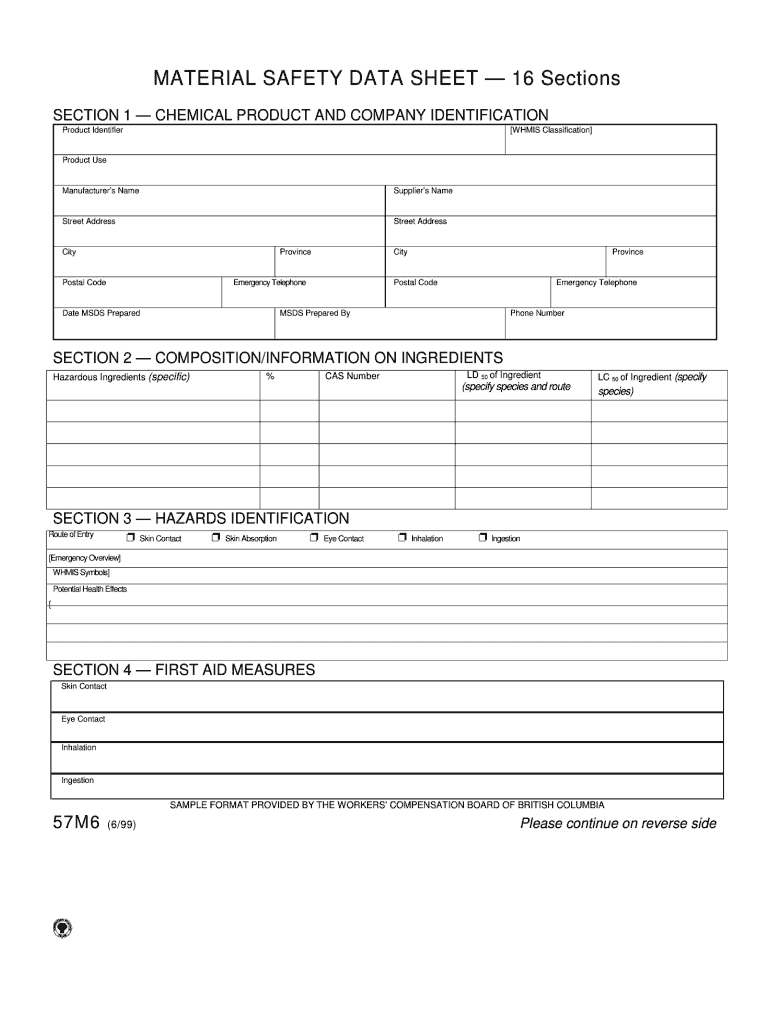
An SDS template serves as a structured guideline to create these important documents, ensuring that all relevant sections are covered. This includes identification, composition, hazard identification, and emergency contact information, among others. The use of an SDS template ensures that information is consistently presented, complying with regulatory requirements.
Key Elements of the SDS Template
An SDS template typically consists of 16 sections, each of which covers specific information. Here are some of the crucial sections included in the template:
-
Identification: This section covers the product identifier, manufacturer details, and emergency contact information.
-
Hazard Identification: Describes the physical and health hazards associated with the chemical product, including precautionary statements and symbol pictograms.
-
Composition/Information on Ingredients: Lists the chemical components and their concentration, providing insight into potential risks and safety measures.
-
First-Aid Measures: Guidance on how to manage exposure incidents, including symptoms and emergency procedures.
-
Fire-Fighting Measures: Details the appropriate fire-extinguishing techniques and precautions when handling fire hazards related to the chemical product.
-
Accidental Release Measures: Procedures for managing spills or releases, including containment and cleanup strategies.
-
Handling and Storage: Recommendations for safe storage and proper handling practices to minimize risks.
-
Exposure Controls/Personal Protection: Information on necessary protective equipment and safe exposure levels.
-
Physical and Chemical Properties: Details of the product's physical and chemical characteristics, such as appearance, odor, melting point, and flammability.
-
Stability and Reactivity: Information on the chemical stability and potential hazardous reactions under certain conditions.
Steps to Complete the SDS Template
Creating an SDS using a template involves several specific steps to ensure all necessary information is included:
-
Gather Product Information: Accumulate detailed data about the chemical product, including ingredients, potential hazards, and safety precautions.
-
Fill Out Identification and Hazard Sections: Begin with the product's identifying information and describe its hazards with appropriate cautionary statements.
-
Detail Composition and Safety Measures: Provide comprehensive details of the product's components and outline specific safety measures and first aid procedures.
-
Incorporate Handling and Emergency Procedures: Include strategies for safe handling, storage, and emergency response in case of incidents like spills or exposure.
-
Consultation and Verification: Review the completed document with industry experts or regulatory bodies to ensure accuracy and compliance.
Software Compatibility Considerations
When working with SDS templates, it is crucial to consider software compatibility. Various software solutions can facilitate the creation and management of SDSs, offering templates and tools to simplify this process. Here are some common software solutions:
-
Dedicated Chemical Management Software: Programs like ChemWatch or Sphera provide robust capabilities for SDS creation and management, ensuring regulatory compliance.
-
Document Editing Tools: Applications like Microsoft Word or Adobe Acrobat can be used to customize and format SDS templates, facilitating detailed customization.
-
Cloud-Based Solutions: Platforms like Google Workspace enable collaborative editing and sharing, allowing teams to work simultaneously on SDS documents.
Ensuring compatibility with these tools will streamline the SDS creation process, making it more efficient and effective.
Legal Use of the SDS Template
The legal framework surrounding SDSs is governed by various standards and regulations. In the United States, compliance with the Occupational Safety and Health Administration (OSHA) Hazard Communication Standard (HCS) is mandatory. This standard mandates that all hazardous chemical manufacturers provide a comprehensive SDS for their products.
An appropriate SDS template aids in ensuring compliance with these guidelines, facilitating the lawful use and distribution of chemical products in various industries. Non-compliance may result in significant penalties and risks to workplace safety.
Business Types that Benefit Most from the SDS Template
Various businesses use SDS templates extensively to ensure the safety and compliance of their operations. Key sectors include:
-
Chemical Manufacturing: Essential for providing accurate hazard communication for a wide array of chemical products.
-
Laboratories and Research Facilities: Required to detail the safety and management procedures for chemicals used in experiments.
-
Manufacturing and Industrial Plants: Necessary for maintaining onsite safety and regulatory compliance when using hazardous materials.
-
Construction and Engineering Firms: Used to communicate safe handling practices for industrial chemicals and building materials.
The use of an SDS template is pivotal in these industries, promoting safe operations and regulatory adherence.
Important Terms Related to SDS Template
Understanding the terminology used in SDS documents is crucial for effective utilization. Here are some commonly used terms:
-
Acute Toxicity: Refers to the adverse effects that result from a single exposure to a substance.
-
Carcinogen: Any substance that is known to cause cancer.
-
Pictogram: A standardized image that represents specific safety warnings or precautions.
-
Threshold Limit Value (TLV): The level of exposure to a substance that is considered safe for workers over a specified period.
A firm grasp of these terms helps in comprehending the implications and safety measures outlined in an SDS.
Examples of Using the SDS Template
Real-world application of an SDS template can enhance understanding and compliance within businesses:
-
Chemical Spill Response: During a chemical spill, an SDS provides essential information for first responders and clean-up crews, informing them of necessary precautions and emergency procedures.
-
New Employee Training: Companies often use SDSs to educate new employees about potential hazards and safety practices in their workplace.
-
Regulatory Audits: An accurately filled SDS template is essential during regulatory inspections to demonstrate compliance with safety standards.
These examples illustrate the pivotal role that SDS templates play in promoting safety and regulatory adherence across various scenarios.