
Best-Ever Compliance Checklist for Commercial Loans 2026

Get Form
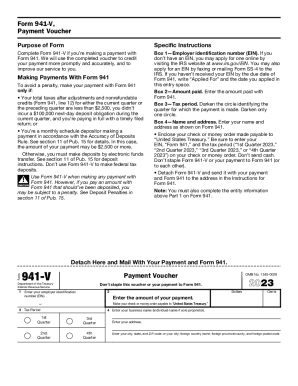
commercial lending compliance checklist Preview on Page 1

Here's how it works

01. Edit your commercial lending compliance checklist online
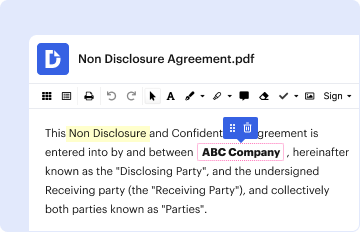
Type text, add images, blackout confidential details, add comments, highlights and more.
02. Sign it in a few clicks
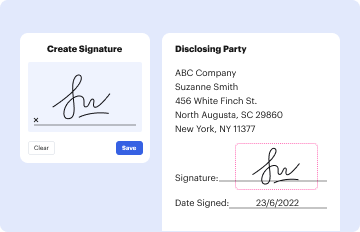
Draw your signature, type it, upload its image, or use your mobile device as a signature pad.
03. Share your form with others
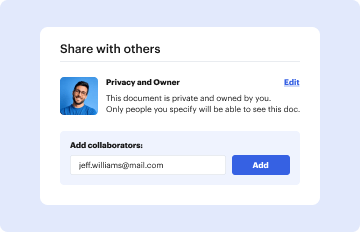
Send commercial loan checklist template via email, link, or fax. You can also download it, export it or print it out.

How to use or fill out Best-Ever Compliance Checklist for Commercial Loans with DocHub

Form edit decoration
9.5
Ease of Setup
DocHub User Ratings on G2
9.0
Ease of Use
DocHub User Ratings on G2
  1. Click ‘Get Form’ to open the Best-Ever Compliance Checklist for Commercial Loans in our editor.
  2. Begin by reviewing the checklist sections, which include 'Commercial Checklist' and 'Explanatory Material'. Familiarize yourself with each component to understand what information is required.
  3. Fill in the 'Applicant' section by entering details such as application date, loan type, and borrowing entity. Ensure accuracy as this information is crucial for compliance.
  4. Proceed to the 'During Application Process' section. Here, check off items like environmental risk analysis and government agency contacts as you gather necessary documentation.
  5. Complete the 'Entity Documentation' section by providing required documents based on your business structure (e.g., Articles of Incorporation for corporations).
  6. Review all entries for completeness and accuracy before saving or sharing the document. Utilize our platform's features to sign or distribute the form as needed.

Start using our platform today to streamline your document editing and ensure compliance effortlessly!

be ready to get more

Complete this form in 5 minutes or less

Get form

Got questions?

We have answers to the most popular questions from our customers. If you can't find an answer to your question, please contact us.
Contact us
Compliance checklists facilitate and streamline the collection of required documentation to ensure compliance with procurement rules and regulations. Incorporating checklists in your procurement process by linking them to purchasing transactions reduces business risk while improving audit controls.
They are often used for purchasing commercial real estate, acquiring inventory, financing equipment, or covering operational costs. Businesses rely on these loans to manage cash flow, invest in growth opportunities, or make essential improvements.
One of the first things all lenders learn and use to make loan decisions are the Five Cs of Credit: Character, Conditions, Capital, Capacity, and Collateral. These are the criteria your prospective lender uses to determine whether to make you a loan (and on what terms).
Conclusion. The 5 Cscharacter, capacity, capital, collateral, and conditionsare the linchpin to a successful loan application.
In addition to applying and qualifying for a loan, usually income tax returns and 3 to 5 years of financial statements are required. Other documentation may also be asked for, including corporate documents, asset statements, leases and the personal financial record of the business owner.

Security and compliance

At DocHub, your data security is our priority. We follow HIPAA, SOC2, GDPR, and other standards, so you can work on your documents with confidence.

Learn more
ccpa2
pci-dss
gdpr-compliance
hipaa
soc-compliance

People also ask

The Act requires lenders, mortgage brokers, or servicers of home loans to provide borrowers with pertinent and timely disclosures regarding the nature and costs of the real estate settlement process. The Act also prohibits specific practices, such as kickbacks, and places limitations upon the use of escrow accounts.
The Equal Credit Opportunity Act and Regulation B apply to all credit - commercial as well as personal - without regard to the nature or type of the credit or the creditor, except for an entity excluded from coverage of this part (but not the Act) by section 1029 of the Consumer Financial Protection Act of 2010 (12
At its core, this financial practice relies on evaluating creditworthiness through the 5 Cs: character, capacity, capital, collateral, and conditions. These factors play a pivotal role in determining loan risk and terms, serving as a vital guide for both borrowers and lenders in commercial lending.

Related links