Standardized recipe template 2026

Get Form
standardized recipe template Preview on Page 1

Here's how it works

01. Edit your standardized recipe template online
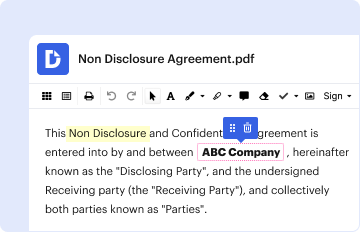
Type text, add images, blackout confidential details, add comments, highlights and more.

02. Sign it in a few clicks
Draw your signature, type it, upload its image, or use your mobile device as a signature pad.
03. Share your form with others
Send usda standardized recipe template via email, link, or fax. You can also download it, export it or print it out.

Definition and Meaning of the Standardized Recipe Template

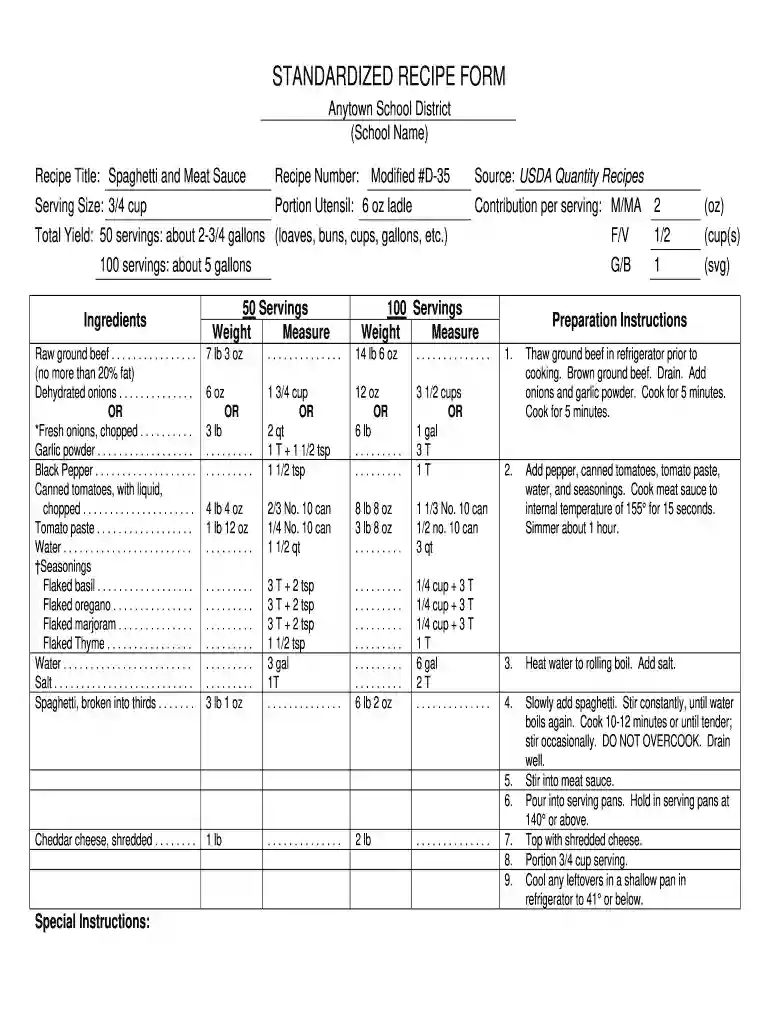
A standardized recipe template serves as a structured guide for preparing food consistently and efficiently. This document typically details the necessary ingredients, precise measurements, preparation steps, cooking times, yield, and serving sizes. By employing a standardized recipe, chefs and food service providers can ensure consistency in taste and presentation across multiple servings, which is crucial in institutional settings like schools and hospitals.

  • Consistency: A standardized recipe ensures that every dish produced has a uniform taste, appearance, and portion size, regardless of the individual preparing it. This is vital for maintaining customer satisfaction in a food service environment.
  • Cost Control: The template assists in controlling food costs by detailing precise ingredient measurements, helping to minimize waste and manage inventory effectively.
  • Training Tool: New staff can use standardized recipes as training material, ensuring they follow the same methods and adhere to standards of quality and safety within the kitchen.

How to Use the Standardized Recipe Template

Using a standardized recipe template involves several straightforward steps to achieve desired outcomes in cooking and meal preparation. Understanding how to effectively utilize the template is key in both professional kitchens and home cooking.

  1. Select the Recipe: Choose a recipe that fits the needed criteria for the meal service. Ensure it aligns with dietary requirements and preferences.
  2. Gather Ingredients: Refer to the standardized recipe template to gather all required ingredients. Ensure that each ingredient is measured according to the specifications.
  3. Prep Work: Follow the preparation instructions meticulously. This may include chopping, marinating, or any other preparatory steps outlined in the recipe.
  4. Cooking Process: Adhere to the cooking methods specified, including temperatures and timing to ensure successful results.
  5. Serving Guidelines: Follow the serving size suggestions to provide consistent portions. This is essential for accurate nutritional calculations and customer satisfaction.

Important Terms Related to the Standardized Recipe Template

Understanding key terminology associated with a standardized recipe template enhances its effectiveness and clarity.

  • Yield: This refers to the amount of servings the recipe produces. Clearly defining yield helps in meal planning and customer service.
  • Portion Control: This is the practice of maintaining standard serving sizes to control costs and manage nutrition.
  • Recipe Standardization: The process of testing and refining a recipe to ensure it produces consistent results every time it is made.
  • Scalability: The ability to adjust the ingredient amounts proportionately based on the desired output, which is essential in mass food preparation.

Key Elements of the Standardized Recipe Template

A well-structured standardized recipe template should include several essential elements to ensure clarity and usability.

  • Recipe Title: A clear and concise name of the dish to avoid confusion.
  • Ingredient List: Detailed ingredients including both the quantity and the measurement units. This preciseness is necessary for flavor consistency and cost management.
  • Preparation Instructions: Step-by-step guidance on how to prepare the dish, ensuring that the process is easy to follow for all cooks.
  • Cooking Time: Specify cooking and preparation times to allow for proper meal planning.
  • Nutritional Information: Providing nutritional data helps accommodate dietary restrictions and enhances transparency for customers.

Examples of Using the Standardized Recipe Template

Practical examples of utilizing a standardized recipe template illustrate its versatility and application in different settings.

  • School Cafeterias: A standardized recipe for Spaghetti and Meat Sauce adapted for serving fifty and one hundred students ensures each meal is nutritionally balanced and cost-effective, providing consistency in flavor and presentation.
  • Catering Services: When preparing for large events, using standardized recipes for items like Chicken Salad or Vegetable Stir Fry allows catering staff to efficiently prepare, serve, and replicate recipes across different venues.
  • Health Care Facilities: Hospitals often utilize standardized recipes to ensure dietary compliance for patients with specific health needs, ensuring that meals meet nutritional guidelines while being appealing and satisfying.

Who Typically Uses the Standardized Recipe Template

Various professionals and institutions benefit from utilizing a standardized recipe template, each for different reasons related to quality, efficiency, and compliance.


  • Food Service Operators: Chefs and kitchen managers in restaurants, schools, and hospitals rely on the template to maintain consistency in high-volume food preparation.
  • Nutritionists and Dietitians: These professionals use standardized recipes to create meal plans that meet specific dietary requirements for clients.
  • Culinary Educators: In educational settings, culinary instructors teach students about recipe formulation and standardization using these templates to prepare students for professional cooking environments.
decoration image ratings of Dochub
be ready to get more

Complete this form in 5 minutes or less

Get form

Got questions?

We have answers to the most popular questions from our customers. If you can't find an answer to your question, please contact us.
Contact us
When creating the Standard Recipe format, include the following information: Name of recipe. Yield: includes total yield (weight, volume, count), number of portions and portion size. Equipment needed: measuring equipment, pan sizes, table top etc. Ingredients: exact amount, listed in order of use.
There are three common recipe types youll find in cookbooks, recipe blogs, and other mediums. Standard format. This recipe format is the simplest to understand and uses the least amount of room. Narrative format. Here, you get paragraph-style lists of ingredients, instructions, and improvement tips. Action format.
A good standardized recipe will include: Menu item name the name of the given recipe that should be consistent with the name on the menu. Total Yield number of servings, or portions that a recipe produces, and often the total weight or volume of the recipe. Portion size amount or size of the individual portion.
Standardized Recipe Template A standardized recipe specifically describes the exact, measurable amount of ingredients and the method of preparation needed to consistently produce a high-quality product. The exact procedures, the type of equipment, and the quantity and quality of ingredients are listed.
So, recipes are broken into three parts. You have the summary (name of the dish, # of servings, prep time, cook time, and a description of the dish), the ingredient list, and the instructions for cooking the dish.

People also ask

The information a recipe should contain includes: the number of servings. the ingredients. how to prepare/combine those ingredients. how to cook the dish/recipe. how to serve it.
Standardized recipes are developed with specific ingredients and the amounts clearly stated. This provides consistent and accurate information for food cost control because the same ingredients and quantities of ingredients per serving are used each time the recipe is produced.
The Microsoft 365 recipe template is a framework designed for anyone seeking a simple, no-fuss way to organize recipes. It offers a clean, straightforward design that fits seamlessly into Word.

standard recipe format