






Definition and Meaning of the MA Letter Tenant
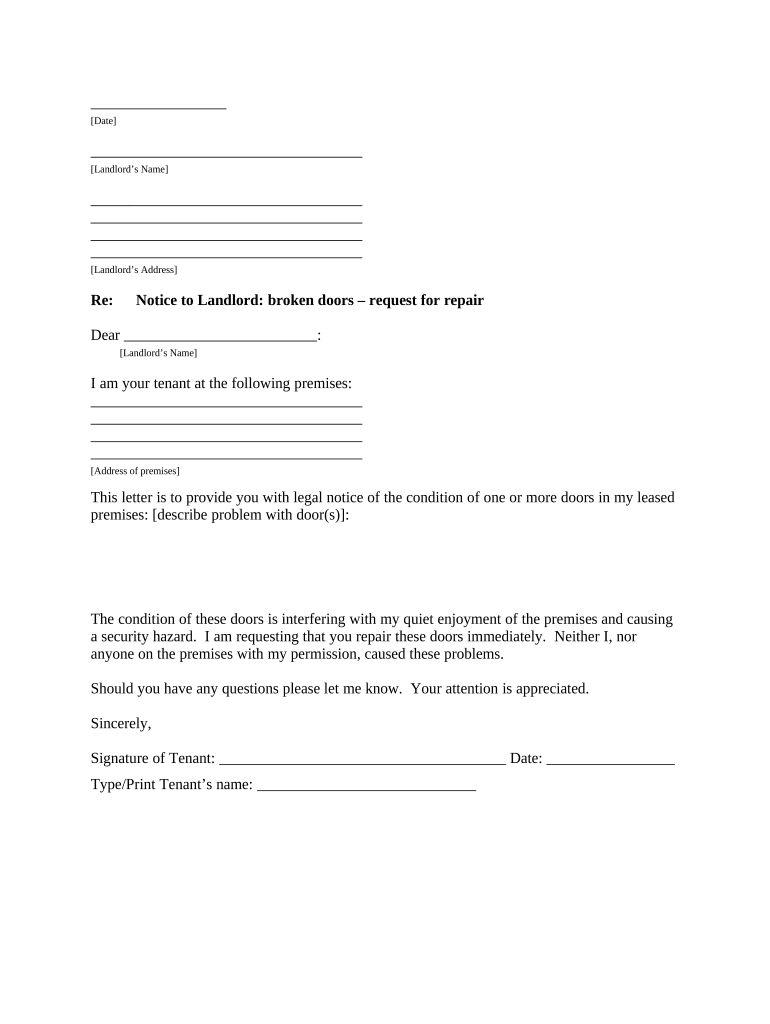
The "ma letter tenant" generally refers to a formal notification written by a tenant to their landlord or property manager. In this letter, tenants typically outline specific issues or concerns related to the rental property. Such letters are crucial for maintaining communication between tenants and landlords and are often used to formally document requests or complaints about the property, such as repairs or maintenance needs.
Components of a Typical Tenant Letter
- Introduction: The letter usually begins with an introduction that identifies the tenant and provides pertinent rental details, such as the property address and lease date.
- Description of Issues: Clear, concise description of the problems or requests, often related to property maintenance, lease terms, or living conditions.
- Impact Statement: Explanation of how the issue affects the tenant's living conditions, security, or enjoyment of the property.
- Request for Action: A specific request for action, such as scheduling repairs or addressing a concern, often including a timeframe for resolution.
- Documentation: Space for documentation such as photographs or receipts for previous communications.
How to Use the MA Letter Tenant
Using a "ma letter tenant" involves drafting a formal correspondence aimed at addressing rental property issues. The letter serves multiple purposes: recording the tenant's concerns, initiating dialogue with the landlord, and requesting necessary actions.
Steps for Writing the Letter
- Gather Information: Collect details about the issue, relevant lease clauses, and any previous communication with the landlord.
- Draft the Letter: Use clear and respectful language to describe the issue, its impact, and your requested solution.
- Review and Edit: Proofread the document for clarity, tone, and factual accuracy. Ensure it's structured professionally.
- Include Supporting Materials: Attach any relevant photos, receipts, or previous communications to substantiate your claims.
- Send and Follow Up: Deliver the letter through a trackable method such as certified mail or email, and follow up if necessary.
Key Elements of the MA Letter Tenant
The effectiveness of the "ma letter tenant" relies on its completeness and clarity. Each element should contribute to a persuasive communication that encourages the landlord to act promptly.
Essential Components
- Tenant and Property Identification: Full name and contact information of the tenant, along with the property's address.
- Date of Correspondence: Crucial for establishing a timeline for action.
- Detailed Issue Description: A thorough explanation of the issue with specific details and examples.
- Impact on Living Conditions: Description of how the problem compromises security, health, or safety.
- Request for Resolution: Clear articulation of the preferred solution and a reasonable timeframe for response.
- Proof of Delivery: Documentation of when and how the letter was sent and received, helpful in case of disputes.
Examples of Using the MA Letter Tenant
Tenants may utilize this letter format for various reasons throughout their rental period. Here are some common scenarios:
Common Uses
- Repair Requests: When aspects of the property, like heating or plumbing, need fixing, notifying the landlord in writing can expedite repairs.
- Maintenance Concerns: Addressing issues like pest control or groundskeeping that affect living conditions can prompt timely action.
- Lease Disputes: When interpretations of lease terms are contested, a written record helps mediate discussions.
- Security Issues: Problems such as broken locks or inadequate lighting should be recorded formally to ensure tenant safety.
Steps to Complete the MA Letter Tenant
Completing a "ma letter tenant" involves several thorough steps, starting from identifying your needs to ensuring proper delivery. Following a structured approach can increase the efficacy of your communication.
Writing Procedure
- Identify Concerns: Determine the core issues to be addressed.
- Draft Your Message: Use a template to structure your letter logically.
- Include Key Details: Add specific examples and any previous interactions with the landlord.
- Review Language and Tone: Make sure the letter is respectful and focused.
- Proof of Delivery: Consider using certified mail to ensure the landlord receives your letter.
- Follow Up: If no response is received within a reasonable period, contact your landlord or property manager to ensure your concerns are being addressed.
Legal Use of the MA Letter Tenant
These letters serve a significant legal function by formally documenting tenant concerns. They create a record that can be used in legal disputes if necessary.
Legal Considerations
- Documenting Communication: Provides a written record that can be referred to in court or mediation.
- Showing Compliance: Demonstrates a tenant's attempts to resolve issues according to lease agreements and local laws.
- Evidence for Tenant Rights: Supports claims for rent abatement or compensation if issues are not resolved in a timely manner.
State-Specific Rules for the MA Letter Tenant
Each state may have specific laws governing tenant-landlord communication and property maintenance, which could affect how the letter should be drafted.
Massachusetts Considerations
- Tenant Rights: Ensure your letter reflects the tenant rights recognized by Massachusetts law.
- Legal Deadlines: Be aware of any deadlines for landlord response or repair obligations imposed by state law.
- Housing Codes: Reference relevant state housing codes if applicable and include these references within your letter.
Digital vs. Paper Version of the MA Letter Tenant
Tenants today can choose between digital and paper formats when completing "ma letter tenant" letters. Each method has its pros and cons, which should be considered based on the context of the situation.
Digital Version Benefits
- Efficient Delivery: Immediate delivery via email reduces wait time.
- Eco-Friendly: Reduces paper usage and is considered environmentally friendly.
- Tracking and Documentation: Easy to organize digital records with automated timestamps.
Paper Version Advantages
- Tangibility: Physical presence may offer a higher perceived importance.
- Proof of Delivery: Certified mail provides verifiable documentation of receipt.
- Professionalism: Can convey formality and seriousness more robustly than an email.
This content provides comprehensive coverage of the "ma letter tenant," offering tenants detailed guidance on constructing, using, and legally leveraging these critical communications.