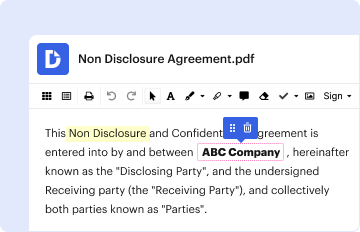
Type text, add images, blackout confidential details, add comments, highlights and more.
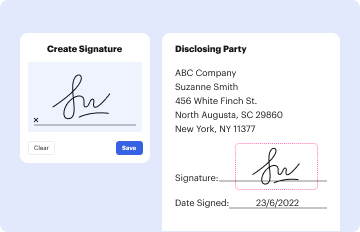
02. Sign it in a few clicks
Draw your signature, type it, upload its image, or use your mobile device as a signature pad.
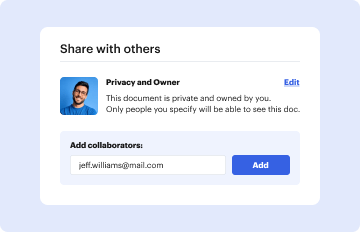
03. Share your form with others
Send it via email, link, or fax. You can also download it, export it or print it out.
How to Use or Fill Out Back Pay with Our Platform
Ease of Setup
DocHub User Ratings on G2
Ease of Use
DocHub User Ratings on G2
Click ‘Get Form’ to open the back pay document in the editor.
Begin by entering the Reverend's name and the church's name in the designated fields. Ensure accuracy as this information is crucial for identification.
Fill in the date when the Reverend last presided over services, along with any relevant payment details, including amounts owed and dates of service.
In sections requesting specific payments, clearly state the amounts for back-pay wages, annual revival payments, and bonuses. Be precise to avoid confusion.
Review all entries for completeness and correctness. Make sure to include any attorney's fees if applicable.
Once satisfied with your entries, save your document. You can then sign it electronically using our platform’s signature feature before submitting it.
Start filling out your back pay form today for free on our platform!
Back pay californiaBack pay calculatorBack pay government shutdownBack pay militaryBack pay meaning in salaryHow long does an employer have to pay you back payBackpay or back payBack pay after resignation
Security and compliance
At DocHub, your data security is our priority. We follow HIPAA, SOC2, GDPR, and other standards, so you can work on your documents with confidence.
back pay | Wex | US Law | LII / Legal Information Institute
Back pay refers to compensation for work that was either already performed or work that could have been performed if not for the interference of another party.
A common remedy for wage violations is an order that the employer make up the difference between what the employee was paid and the amount he or she shouldRead more
Cookie consent notice
This site uses cookies to enhance site navigation and personalize your experience.
By using this site you agree to our use of cookies as described in our Privacy Notice.
You can modify your selections by visiting our Cookie and Advertising Notice.