Deed trust substitute 2026

Get Form
deed trust substitute Preview on Page 1

Here's how it works

01. Edit your form online
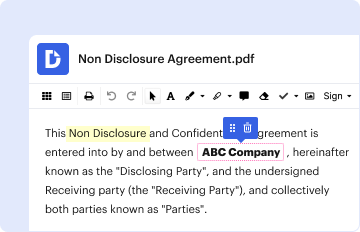
Type text, add images, blackout confidential details, add comments, highlights and more.
02. Sign it in a few clicks
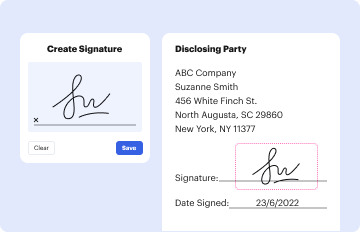
Draw your signature, type it, upload its image, or use your mobile device as a signature pad.
03. Share your form with others
Send it via email, link, or fax. You can also download it, export it or print it out.

How to use or fill out deed trust substitute with our platform

Form edit decoration
9.5
Ease of Setup
DocHub User Ratings on G2
9.0
Ease of Use
DocHub User Ratings on G2
  1. Click ‘Get Form’ to open the deed trust substitute in the editor.
  2. Begin by entering the names and addresses of the Grantors and Beneficiary in the designated fields. Ensure accuracy as this information is crucial for legal validity.
  3. Fill in the Trustee's name and address, followed by the secured party's details. This section establishes who holds the trust.
  4. Provide a detailed legal description of the property being secured. Attach Exhibit A if necessary, ensuring it meets local requirements.
  5. Complete the financial details, including loan amounts, interest rates, payment schedules, and any balloon payments. This section outlines repayment terms.
  6. Review all covenants and conditions outlined in the document. Make sure you understand your obligations regarding taxes, insurance, and maintenance of the property.
  7. Once all fields are filled out accurately, utilize our platform’s signing feature to securely sign and date the document before finalizing.

Start using our platform today to easily complete your deed trust substitute online for free!

be ready to get more

Complete this form in 5 minutes or less

Get form

Got questions?

We have answers to the most popular questions from our customers. If you can't find an answer to your question, please contact us.
Contact us
The primary way they differ from TOD deeds is that living trusts can hold all types of assets, not just real estate. Your living trust may include real estate, but it can also include stocks, bank accounts, valuable belongings, and any other assets you want to transfer to someone upon your passing.
Family Investment Companies Firstly, a Family Investment Company (FIC) is often considered as a suitable alternative to a trust. A FIC can be set up in a number of ways but, broadly, the principles are the same: The pseudo-settlor (lets assume this is a parent) forms a company and often makes a loan to the company.
In a nutshell, the Substitution of Trustee and Deed of Reconveyance is a legal document that evidences security interest is being release by a lender. In most cases, the document shows that a loan has been paid off. Property owners may even receive this document if they have refinanced a loan.
Alternatives to a trust deed Other options include: a debt payment programme under the Debt Arrangement Scheme (DAS) - this may suit you if you can afford to pay off your debts in full from your disposable income in less than 4 years. There is more information about DAS on our DAS page.
Under a deed of trust, if the borrower is in default, the property can be sold by the trustee without going through a costly, lengthy legal procedure. The process is known as a nonjudicial foreclosure.

Security and compliance

At DocHub, your data security is our priority. We follow HIPAA, SOC2, GDPR, and other standards, so you can work on your documents with confidence.

Learn more
ccpa2
pci-dss
gdpr-compliance
hipaa
soc-compliance

People also ask

Alternatively, if there are four or fewer beneficial owners then you could use an agreement under hand (a normal agreement that does not have to be witnessed) called a tenants in common agreement. As far as ownership is concerned, this has the same effect as a declaration of trust.

Related links