How long notice does a landlord have to give a tenant?
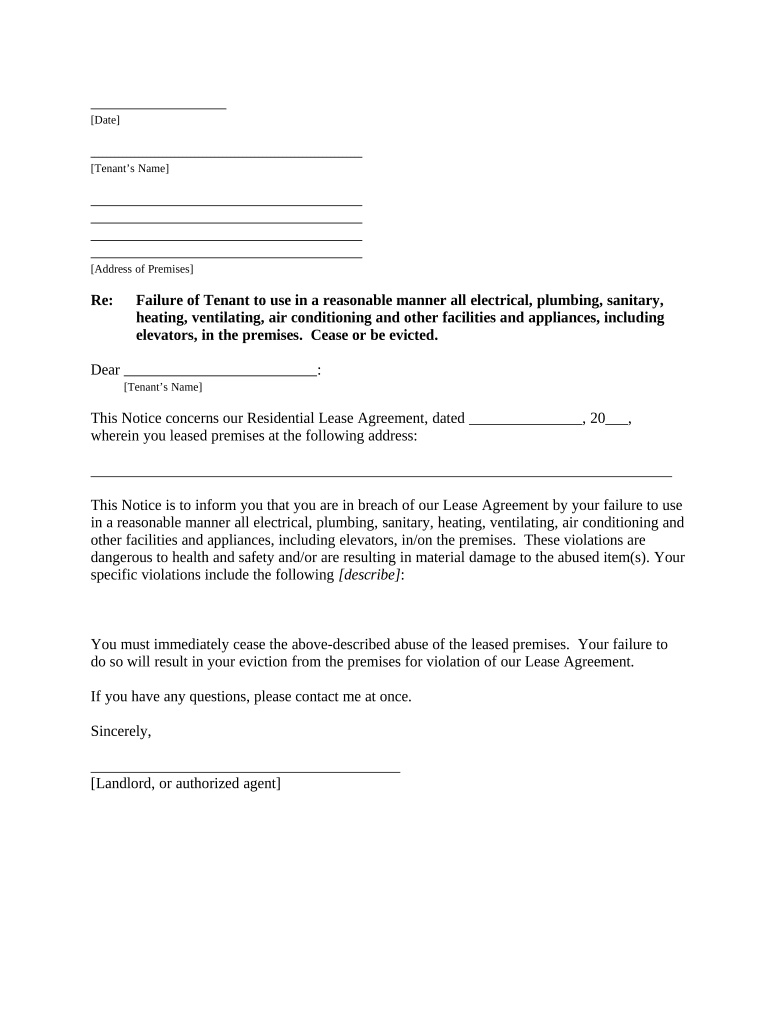
Depending on the reason for the eviction, the notice to leave may be 3 or 30 days. For nonpayment of rent, or in cases where the landlord has knowledge of a search warrant executed against the tenant for illegal drug activity, a 3 day notice can be given.
What is the Ohio landlord-tenant law?
Ohio Landlord Tenant Law Landlord obligations tenant rights. Tenant rights under Ohio Landlord Tenant Laws require that landlords must supply running water, comply with all housing, building, health and safety laws, keep rental properties safe and sanitary, and make all necessary repairs in a reasonable time period
How long does it take to evict a tenant in Ohio?
Landlord Notice Requirement: Must give at least 2 months notice, aligned with rental periods, under Section 21. This remains the statutory minimum until the Renters Rights Bill is enacted. Tenants Notice Requirement: Must give at least 1 months notice (if rent is paid monthly) or 4 weeks notice (if paid weekly).
When can a landlord evict a tenant in Ohio?
When a landlord wants to terminate a tenancy before the lease term has ended, the landlord must have legal cause (a valid reason). The most common reasons to evict a tenant are failure to pay rent and violation of the lease or rental agreement.
How long does a landlord have to give you to move out in Ohio?
To evict you, your landlord must give you a 3, 30, 60 or 90-day notice. If you get one of these, its important that you take action, like pay the rent you owe, move out, or get legal help.
Related Searches
Ohio landlord-tenant lawOhio landlord tenant Law pdfOhio landlord-tenant handbookOhio landlord Tenant law repairsWhat a landlord cannot do in OhioOhio month-to-month tenant rightsOhio tenants rights AssociationOhio landlord tenant law 24 hour notice
Security and compliance
At DocHub, your data security is our priority. We follow HIPAA, SOC2, GDPR, and other standards, so you can work on your documents with confidence.
ORC 5321 Ohios Landlord and Tenant Law An Overview
The Ohio Landlord Tenant Law permits a landlord to collect a security deposit to cover the costs of any unpaid rents or damages to the property beyond normal
At year end, all of our tenants were paying as agreed and our portfolio was 97.4% leased. We have less than 5% of fore- casted rents expiring through 2019, thus
Cookie consent notice
This site uses cookies to enhance site navigation and personalize your experience.
By using this site you agree to our use of cookies as described in our Privacy Notice.
You can modify your selections by visiting our Cookie and Advertising Notice.