




01. Edit your medical receipt generator online
Type text, add images, blackout confidential details, add comments, highlights and more.

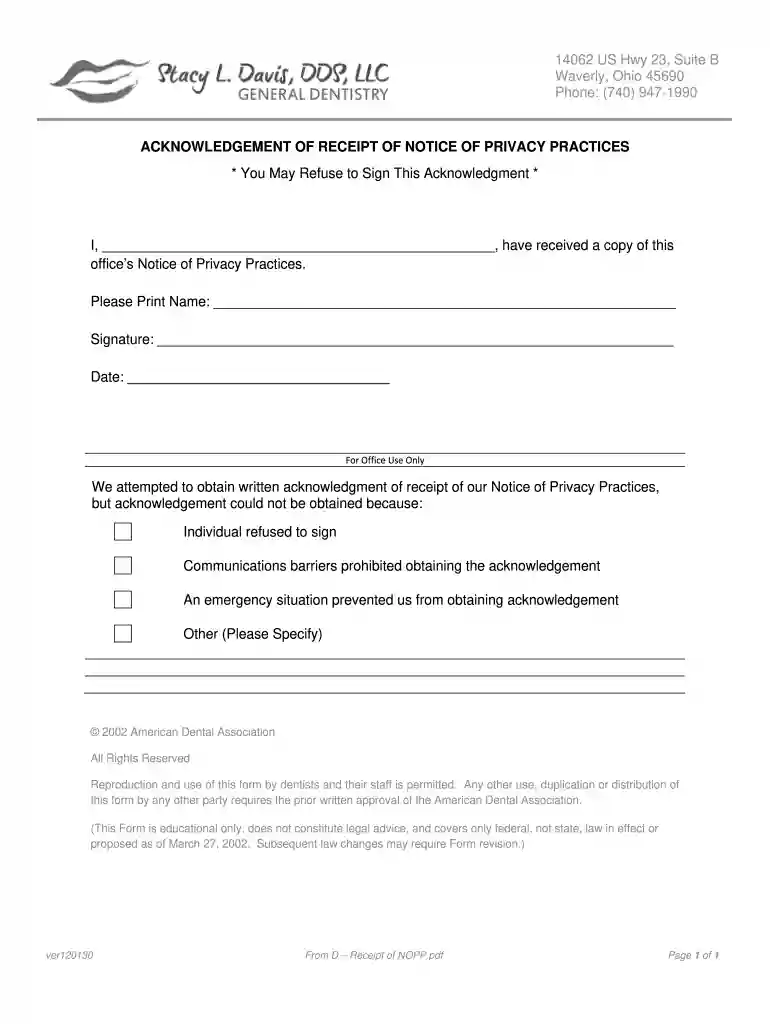
Type text, add images, blackout confidential details, add comments, highlights and more.

Draw your signature, type it, upload its image, or use your mobile device as a signature pad.

Send how to write a medical receipt via email, link, or fax. You can also download it, export it or print it out.
A medical receipt generator is a digital tool designed to create official documents that verify a medical service was rendered. Whether it’s for a doctor's visit, hospital stay, or any healthcare service, these receipts serve as proof of payment and can be essential for patients seeking reimbursement from their insurance providers.
Customizable Templates: Users can choose from various receipt templates tailored for different medical services. This allows healthcare providers to maintain a consistent branding while ensuring compliance with insurance requirements.
Automated Calculations: The generator automatically calculates totals, including taxes and discounts, streamlining the billing process for medical practitioners.
Multiple File Formats: Generated receipts can often be exported in multiple formats (PDF, DOCX, etc.), which allows for easy sharing and documentation.
User-Friendly Interface: Most medical receipt generators have a straightforward interface that doesn’t require extensive training, making it accessible for all staff.
Compliance with Legal Standards: Receipts created through these tools are compliant with local and national legal requirements, ensuring they can be used in insurance claims without issues.
Creating a medical receipt involves several key components:
Provider Information: Include the name, address, and contact information of the healthcare provider or facility. This helps confirm where the service was rendered.
Patient Information: Clearly state the patient’s name, address, and insurance details if applicable. This information ties the receipt to the individual receiving the services.
Detail of Services Rendered: List each service or treatment provided, including dates, descriptions, and their corresponding costs. Itemization is crucial for transparency.
Payment Information: Clearly indicate the payment method (cash, credit card, etc.) and any transaction details. This is essential for both parties to keep comprehensive records.
Signature and Date: A representative from the medical office should sign the receipt to verify its authenticity, along with the date the service was provided.
Doctor Receipt for Consultation: This type of receipt usually includes details like the reason for the visit, examination results, and any prescribed treatments.
Hospital Receipt for Stay: More comprehensive than a doctor's receipt, this document typically includes daily rates, services rendered during the stay, and total charges.
Preventive Health Checkup Receipt: This receipt can detail services such as screenings and vaccinations, often used for insurance claims for preventive care.
Medical receipts play a crucial role not just for patients but also for healthcare providers. They serve as:
Proof of Payment: Essential for patients when submitting claims to insurance companies or for personal record-keeping.
Record Keeping: Hospitals and medical offices use these receipts for accounting and to ensure services rendered are properly documented and billed.
Tax Documentation: Patients can also use these receipts to claim medical expenses during tax season, enhancing the importance of accurate and comprehensive billing.
Accuracy: Every detail must be correct to avoid complications with insurance reimbursement. Mistakes can lead to denied claims or payment delays.
Security: Sensitive patient information must be handled securely to comply with regulations like HIPAA.
Accessibility: The generator should ensure that receipts are easily accessible to both providers and patients in an organized manner.
Efficiency: Reduces the time spent on manual entry, allowing healthcare providers to focus more on patient care rather than paperwork.
Cost-Effectiveness: Many online generators are available for free or with minimal cost, which is beneficial for small practices.
Consistency: Ensures that all receipts adhere to a specific format, which maintains professionalism and clarity.
Adaptability: Often allows for updates in compliance regulations automatically, helping providers remain current without additional effort.
Using a medical receipt generator not only streamlines the billing process for healthcare providers but also provides patients with essential documentation necessary for insurance claims and personal record-keeping.
Of course, electronically drawing your signature is appropriate, but only if you utilize a tool that complies with industry regulations and policies. Try DocHub, which ensures eSignature validity under ESIGN and UETA requirements. All you need to approve your medical receipt generator free electronically is an account with DocHub and an internet connection. After you open your document in our editor, click Sign and choose the Draw tool.
If you edit your online doctor receipt with DocHub, you simply will not need to look for other applications or services to eSign it. An electronic signature is a component of DocHub’s substantial editing toolset, which allows you to implement changes in your form without jumping between websites. Just complete your form, double-check the correctness of the data and put your electronic signature at the end to make it submission-ready within minutes.
At DocHub, your data security is our priority. We follow HIPAA, SOC2, GDPR, and other standards, so you can work on your documents with confidence.
FILLING ORDERS: An original fiscal order for Medical-Surgical Supplies may not be filled more than 60 days after it has been initiated by the orderingRead more
Medical waste generators may be either large quantity generators (LQG = 200 or more lbs/month), or small quantity generators (SQG =


