Type text, add images, blackout confidential details, add comments, highlights and more.
02. Sign it in a few clicks
Draw your signature, type it, upload its image, or use your mobile device as a signature pad.
03. Share your form with others
Send it via email, link, or fax. You can also download it, export it or print it out.
How to use or fill out Warranty Deed from two Individuals to LLC - New Jersey with our platform
Ease of Setup
DocHub User Ratings on G2
Ease of Use
DocHub User Ratings on G2
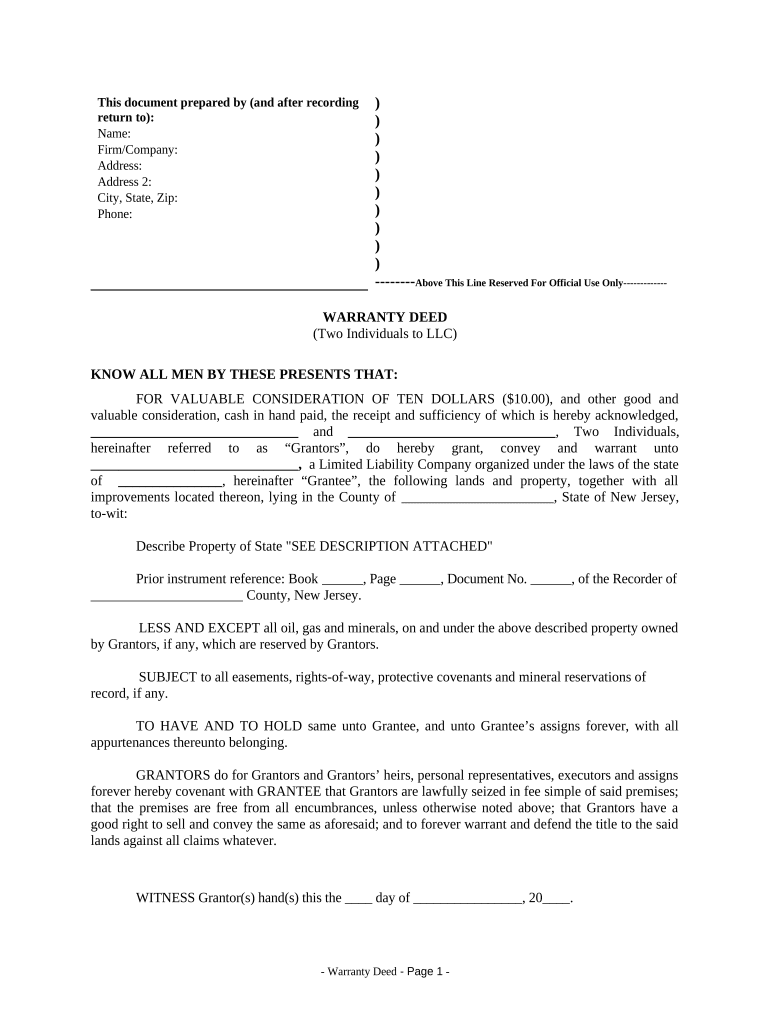
Click ‘Get Form’ to open the Warranty Deed in the editor.
Begin by entering the names of the Grantors (the two individuals) in the designated fields. Ensure that both names are clearly typed for legal accuracy.
Next, input the name of the Grantee, which is the LLC receiving the property. Make sure to include any necessary details about its organization under New Jersey law.
In the property description section, either type a brief description or attach a detailed document as indicated. This is crucial for identifying the property being transferred.
Fill in any prior instrument references if applicable, including Book and Page numbers, and Document No., which can be found in previous records.
Complete the Grantors' signatures at the bottom of the form. Each Grantor must sign and type their name for clarity.
Finally, ensure that a Notary Public completes their section to validate the document before submission.
Start using our platform today to easily complete your Warranty Deed online for free!
Fill out Warranty Deed from two Individuals to LLC - New Jersey online It's free
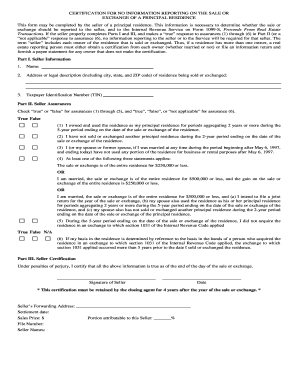
Quitclaim deed NJTransferring property to LLC with mortgageHow to change name on house deed in NJHow do i get a copy of my deed in NJHow to add someone to a deed in NJAffidavit of Consideration for Use by Buyer NJSellers AFFIDAVIT OF TITLE NJNJ Affidavit of Consideration for Use by Seller
Security and compliance
At DocHub, your data security is our priority. We follow HIPAA, SOC2, GDPR, and other standards, so you can work on your documents with confidence.
supreme court of new jersey - Seton Hall Law School
Jan 17, 2008 This advocacy focuses on the relationship between faulty foreclosure practices, mortgage fraud, and the $400,000 ・ ed a quitclaim deed to the
Neither the United States Government nor any agency thereof, nor any of their employees, makes any warranty, express or implied, or assumes any legal liabilityRead more
An individual 18 or more years of age and of sound mind may transfer property to one or more beneficiaries effective at the transferors death by a transfer onRead more
Cookie consent notice
This site uses cookies to enhance site navigation and personalize your experience.
By using this site you agree to our use of cookies as described in our Privacy Notice.
You can modify your selections by visiting our Cookie and Advertising Notice.