New jersey trust 2026

Get Form
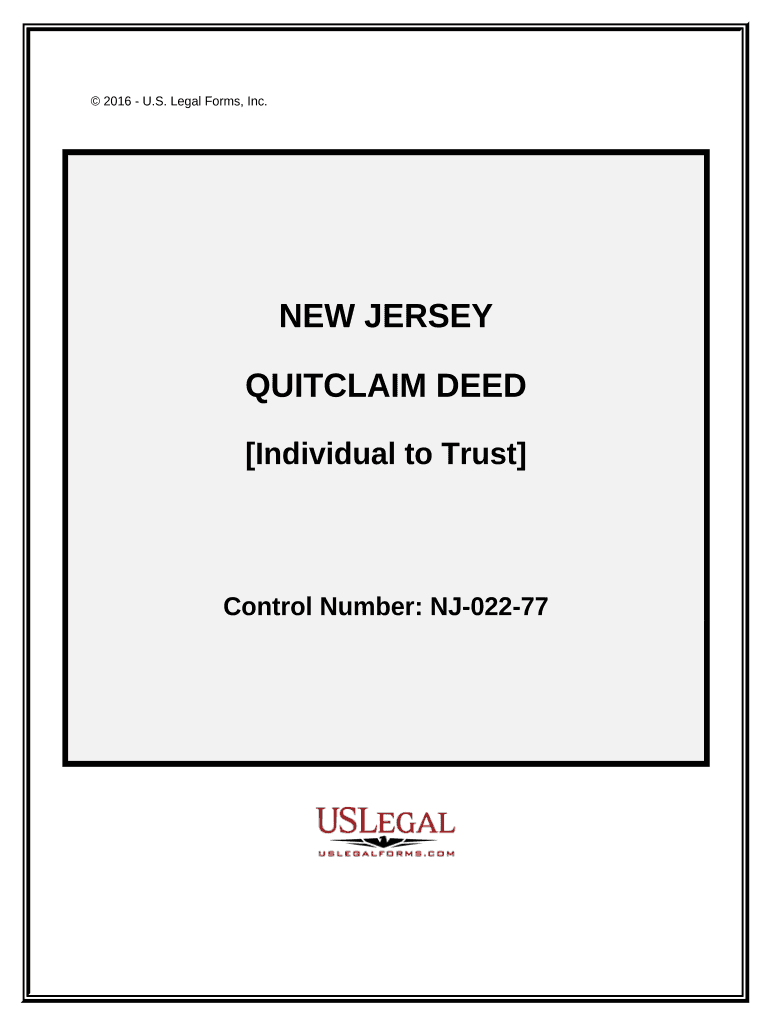
new jersey trust Preview on Page 1

Here's how it works

01. Edit your form online
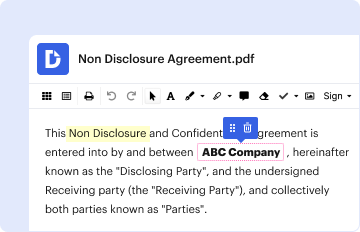
Type text, add images, blackout confidential details, add comments, highlights and more.
02. Sign it in a few clicks
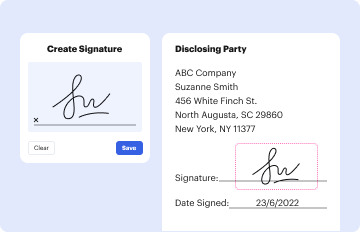
Draw your signature, type it, upload its image, or use your mobile device as a signature pad.
03. Share your form with others
Send it via email, link, or fax. You can also download it, export it or print it out.

How to use or fill out New Jersey Trust with our platform

Form edit decoration
9.5
Ease of Setup
DocHub User Ratings on G2
9.0
Ease of Use
DocHub User Ratings on G2
  1. Click ‘Get Form’ to open the New Jersey Trust document in the editor.
  2. Begin by entering the date of the deed at the top of the first page. This is crucial for legal documentation.
  3. Fill in the Grantor's name and address, ensuring accuracy as this identifies who is transferring ownership.
  4. Next, specify the Grantee's name and address, which should reflect the trustee under your trust agreement.
  5. Indicate the transfer amount in dollars, acknowledging receipt of this sum by checking the appropriate box.
  6. Provide detailed property information including municipality, lot number, and any applicable tax map references.
  7. Attach a legal description of the property as Exhibit A if necessary, ensuring it is incorporated into your document.
  8. Finally, have the Grantor sign and print their name at the bottom of the form. Ensure notarization is completed for validity.

Start using our platform today to streamline your New Jersey Trust form completion for free!

be ready to get more

Complete this form in 5 minutes or less

Get form

Got questions?

We have answers to the most popular questions from our customers. If you can't find an answer to your question, please contact us.
Contact us
One of the primary benefits of putting property into a trust is to avoid probate. Probate is a public, court-supervised process that can be time-consuming and costly. A trust provides a more private and efficient way to transfer ownership of your house to your beneficiaries.
Considerations for New Jersey Residents Privacy Concerns: If maintaining privacy regarding your estates distribution is a priority, a living trust is preferable, as it does not become part of the public record like a probated will.
The assets you cannot put into a trust include the following: Medical savings accounts (MSAs) Health savings accounts (HSAs) Retirement assets: 403(b)s, 401(k)s, IRAs.
New Jersey Trust Execution Requirements Document Signing: Signed by settlor, preferably with 2 non-beneficiary witnesses. Notarization: Not required, but recommended. Asset Transfer: Required to fund the trust. Trustee Acceptance: Trustee must accept role. Legal Compliance: Must follow N.J.S 3B:15A et seq.
How much does a Trust cost in New Jersey? In New Jersey, the cost of setting up a basic Revocable Living Trust generally ranges from $1,000 to $3,000. More complex trusts may cost even more.

Security and compliance

At DocHub, your data security is our priority. We follow HIPAA, SOC2, GDPR, and other standards, so you can work on your documents with confidence.

Learn more
ccpa2
pci-dss
gdpr-compliance
hipaa
soc-compliance

People also ask

Whether or not trust payments involve inheritance tax payments in NJ depends on what class the beneficiary falls in. No singular rule determines if transfers from a trust will meet this standard. It is possible that money paid from a trust could result in an obligation for one beneficiary but not another.

Related links