Definition and Meaning of Correct Clerical
The term "correct clerical" refers to the process of amending, revising, or clarifying documents or records that contain typographical or other minor errors. These errors can occur in various documents, including legal filings, tax forms, court orders, and administrative records. Identifying and correcting clerical errors ensures that documents accurately reflect the intended information, which is critical in legal and business contexts.
Examples of common clerical errors include:
- Typographical mistakes: Misspellings, incorrect numbers, or wrong dates.
- Formatting errors: Inconsistencies in document layout or punctuation.
- Misidentification: Incorrect names or titles that could affect legal rights or obligations.
Correcting these errors can help prevent misunderstandings and ensure compliance with relevant regulations.
How to Use the Correct Clerical
To effectively use the correct clerical procedures, individuals must first identify the errors present in a document. After determining what needs correction, follow these steps:
- Review the Document: Thoroughly examine the document for any mistakes or discrepancies, taking note of each error.
- Document the Changes: Clearly list the corrections needed, specifying where each change should be applied within the original document.
- Prepare a Motion (if applicable): In legal contexts, it may be necessary to file a motion to correct clerical errors, detailing the amendments and justifying the need for corrections.
- Submit the Corrections: Depending on the document type, send the corrected version to the relevant authority, be it a court, tax agency, or administrative office, ensuring all necessary forms are completed.
Common Scenarios and Considerations
- In legal documents, filing a motion to correct clerical errors may require adherence to specific formats. Consulting legal counsel can help navigate these requirements effectively.
- For tax documents, individuals should follow the IRS guidelines for amendments, keeping in mind any filing deadlines related to corrections.
Who Typically Uses the Correct Clerical
The correct clerical process is utilized by a wide range of individuals and organizations, including:
- Attorneys: Frequently correct clerical errors in legal documents such as contracts, pleadings, and court orders to uphold client interests.
- Accountants and Tax Preparers: Often amend errors in tax filings or financial statements to ensure compliance and accuracy during audits or reviews.
- Business Owners: Use corrections in corporate filings, contracts, or employee records to maintain proper documentation and transparency.
- Individuals: Anyone engaged in legal transactions, such as home purchases or leases, may need to correct documents to reflect accurate information.


Important Terms Related to Correct Clerical
Familiarizing oneself with key terminology is essential for navigating the correct clerical process:
- Motion to Correct Clerical Error: A formal request filed with a court to amend a clerical mistake in a previous judgment or order.
- Amendment: A change made to a document to correct or improve clarity, often involving a formal procedure.
- Errata: A list of errors and their corrections in a published document.
- Final judgment: The court’s final decision in a legal case, which may require modifications to clear up misunderstandings.
Understanding these terms can enhance comprehension and effective communication in both legal and financial environments.
Legal Use of the Correct Clerical
The legal implications of clerical corrections are significant. Courts generally allow for the correction of clerical errors to uphold justice and ensure that documents reflect true intentions. Under local and federal laws, clerical corrections often require a formal process:
- Filing Procedures: Courts may require a specific format for motions to correct errors, including supporting documentation to justify the amendments.
- Timing: There may be restrictions on when corrections can be sought after a judgment has been issued, depending on jurisdictional rules.
Failure to correct significant clerical errors might lead to misunderstandings that can adversely affect legal outcomes.
Key Elements of the Correct Clerical Process
When addressing clerical errors, certain elements are crucial for ensuring a proper correction process:
- Identification of Errors: Clearly outline what mistakes exist and their locations within the document.
- Documentation: Keep a record of corrections made, as this can support clarity and transparency.
- Communication with Relevant Parties: Notify all stakeholders affected by the corrections to maintain trust and operational integrity.
- Compliance with Regulations: Ensure that any motions or amendments comply with the regulations set forth by relevant authorities or governing bodies.
These elements contribute to a smoother correction process and reduce the risk of further errors occurring.
Examples of Using the Correct Clerical
Correct clerical procedures can apply across many contexts. Here are a few illustrative examples:
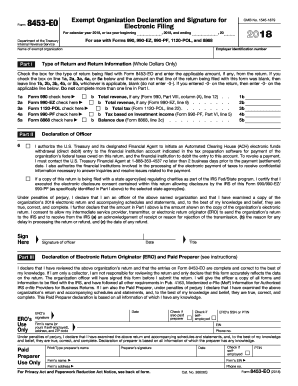
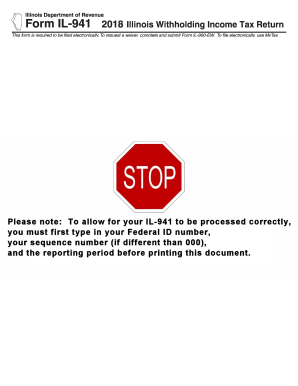
- Tax Documents: If a taxpayer realizes that an error was made on their W-2 form due to a clerical mistake, they may need to file a corrected form with the IRS, often involving a 1040-X form to amend their tax return.
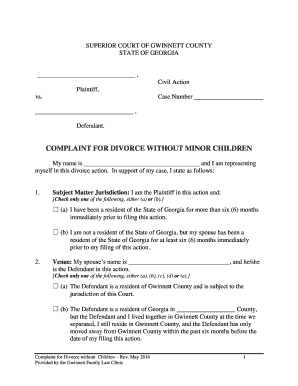
- Court Orders: A court may issue a correction to a divorce decree to amend a spelled name or incorrect value related to property division, which is essential for legal clarity moving forward.
- Corporate Documents: A business may need to correct the name of a shareholder in its incorporation documents to reflect changes accurately, which is crucial during annual reporting.
These examples showcase the varied applications of correcting clerical errors in legal, tax, and business contexts.