Letter from Landlord to Tenant that Sublease granted - Rent Paid by Subtenant, but Tenant Still Liable for Rent and Damages - Minnesota 2026

Get Form
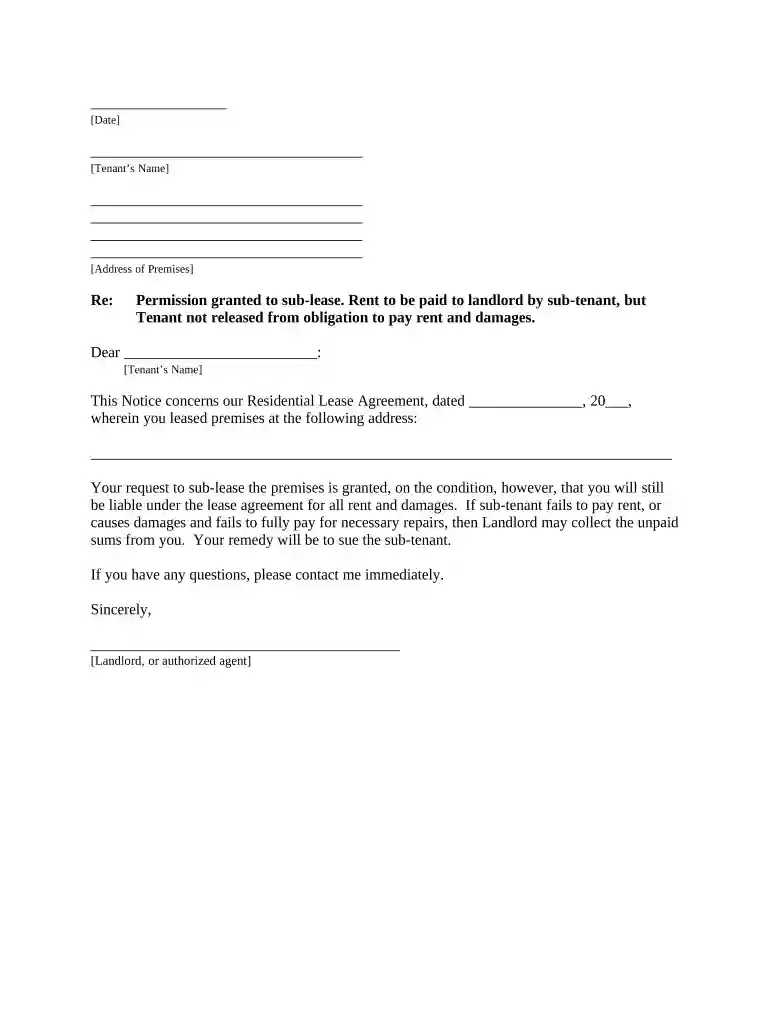
Letter from Landlord to Tenant that Sublease granted - Rent Paid by Subtenant, but Tenant Still Liable for Rent and Damages - Minnesota Preview on Page 1

Here's how it works

01. Edit your form online
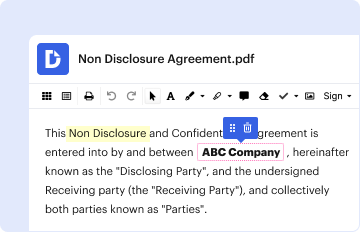
Type text, add images, blackout confidential details, add comments, highlights and more.

02. Sign it in a few clicks
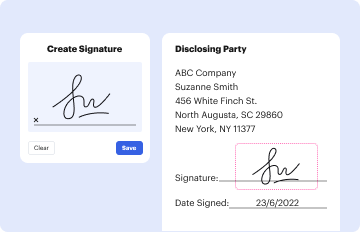
Draw your signature, type it, upload its image, or use your mobile device as a signature pad.

03. Share your form with others
Send it via email, link, or fax. You can also download it, export it or print it out.

How to use or fill out Letter from Landlord to Tenant that Sublease granted - Rent Paid by Subtenant, but Tenant Still Liable for Rent and Damages - Minnesota

Form edit decoration
9.5
Ease of Setup
DocHub User Ratings on G2
9.0
Ease of Use
DocHub User Ratings on G2
  1. Click ‘Get Form’ to open it in the editor.
  2. Begin by entering the date at the top of the document. This is essential for record-keeping.
  3. Fill in the tenant’s name and address of the premises where indicated. Ensure accuracy to avoid any confusion.
  4. In the body of the letter, specify the date of the original lease agreement. This establishes context for your communication.
  5. Clearly state that permission is granted for sub-leasing, but emphasize that the tenant remains liable for all rent and damages.
  6. Include a reminder about potential consequences if the sub-tenant fails to pay rent or causes damages.
  7. Conclude with your signature, name, and title as landlord or authorized agent, along with a space for the date.
  8. Finally, select how this notice was delivered to ensure proper documentation. Check one of the options provided.

Start using our platform today to streamline your document editing and signing process!

be ready to get more

Complete this form in 5 minutes or less

Get form

Got questions?

We have answers to the most popular questions from our customers. If you can't find an answer to your question, please contact us.
Contact us
If your agreement doesnt say anything about subletting You dont need your landlords permission but its usually best to let them know. If they dont want you to sublet your home, your landlord can get a court order to end your tenancy, evict your subtenant and stop you from moving back in.
Many leases require the landlords explicit permission to sublease, and failing to obtain this permission can lead to serious consequences including eviction. Even if subleasing is allowed, the original tenant must ensure that the sublease agreement complies with local laws and the terms of the original lease.
The first tenant remains fully responsible for all of the obligations of the lease. Neither assignment nor subletting releases the tenant from liability to the landlord. If the lease requires the landlords permission to assign or sublease, the landlord cannot arbitrarily or unreasonably reject a substitute tenant.
Minnesota law requires written consent from the original landlord for subleasing. This may be part of the initial lease or a separate agreement. If the lease does not mention subleasing, tenants might have the freedom to proceed, but its crucial to consult the landlord first.
While subleasing is not illegal in California, landlords can legally prevent their tenants from subletting a property by stating so in the lease. However, some California cities are more permissible when it comes to subletting. Read your lease to see what is required based on where in California you live.

Security and compliance

At DocHub, your data security is our priority. We follow HIPAA, SOC2, GDPR, and other standards, so you can work on your documents with confidence.

Learn more
ccpa2
pci-dss
gdpr-compliance
hipaa
soc-compliance

People also ask

If the landlords contract is with the tenant, the tenant is responsible to the landlord for damages and back rent. The tenant may sue the subletter based on their Sublease Agreement, if they have one, to recover what the landlord recovers from the tenant.

Related links