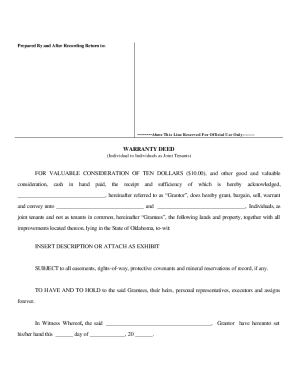
Notice of Assignment to Living Trust - North Carolina 2026

Get Form
living trust nc Preview on Page 1

Here's how it works

01. Edit your living trust nc online
Type text, add images, blackout confidential details, add comments, highlights and more.
02. Sign it in a few clicks
Draw your signature, type it, upload its image, or use your mobile device as a signature pad.
03. Share your form with others
Send it via email, link, or fax. You can also download it, export it or print it out.

How to use or fill out Notice of Assignment to Living Trust - North Carolina with our platform

Form edit decoration
9.5
Ease of Setup
DocHub User Ratings on G2
9.0
Ease of Use
DocHub User Ratings on G2
  1. Click ‘Get Form’ to open the Notice of Assignment to Living Trust in the editor.
  2. Begin by filling in the name of the Trustor(s) in the first blank space. This identifies who is transferring their rights.
  3. Next, enter the name of the Revocable Trust and its date in the corresponding fields. This specifies which trust is receiving the assignment.
  4. In the property description section, detail all rights, titles, and interests being transferred. Be as specific as possible to avoid any confusion.
  5. Date the document by filling in both blanks with the current date when you are completing this form.
  6. Ensure that all Trustors sign and print their names where indicated. This confirms their agreement to the assignment.
  7. Finally, a Notary Public must complete their section, certifying that they witnessed the signatures. Make sure they fill in their details accurately.

Start using our platform today for free to streamline your document editing and signing process!

be ready to get more

Complete this form in 5 minutes or less

Get form

Got questions?

We have answers to the most popular questions from our customers. If you can't find an answer to your question, please contact us.
Contact us
Disadvantages of Opening a Trust Setup Fees: The initial setup of a trust can range from $1,000 to $3,000 or even more, depending on its complexity and attorneys fees. Furthermore, there are recurring administrative costs such as trustee fees, tax preparation fees, and legal fees.
Short Answer. In North Carolina, you create a revocable living trust, then sign and record a deed transferring your home to yourself as trustee. You also sign a properly executed pour-over will so any assets left in your name at death move into the trust.
Flat fees for creating a trust can range from $1,500 to $3,500, depending on the complexity of the trust and the attorneys experience. Hourly rates vary widely, but you can expect to pay between $200 and $500 per hour.
To amend a living trust in California, youll need to create a written amendment document that clearly states the changes you want to make to your trust. Amending your trust allows you to update beneficiaries, change asset distributions, or modify trustee appointments without having to create an entirely new trust.
Heres how to get started: Step 1: Determine Your Needs and Goals. Step 2: Choose the Right Type of Trust. Step 3: Select a Trustee. Step 4: Identify Beneficiaries and Distribution Rules. Step 5: Identify and Inventory Assets. Step 6: Draft the Trust Document. Step 7: Sign the Trust Document. Step 8: Fund the Trust.

Security and compliance

At DocHub, your data security is our priority. We follow HIPAA, SOC2, GDPR, and other standards, so you can work on your documents with confidence.

Learn more
ccpa2
pci-dss
gdpr-compliance
hipaa
soc-compliance

People also ask

General assignment of assets to a trust is a legal process in which an individual transfers ownership of their property to a trust they have established.
How to Transfer Real Property Into Your Revocable Trust Prepare a New Deed. A new deed must be drafted to reflect the change in ownership. Record the Deed With the County Recorder. Confirm Title Insurance and Property Taxes. 📞 Call us today at +1 704-843-1446 or Schedule a Consultation.
The Application for Probate and Letters Testamentary (AOC Form E-201) in North Carolina gathers detailed information. This data helps the clerk understand the decedents circumstances, the estates value, and the identities of beneficiaries. It also serves as a reference point as the probate process moves forward.

Related links