






Definition and Meaning of the Interim YTD Balance Sheet PDF
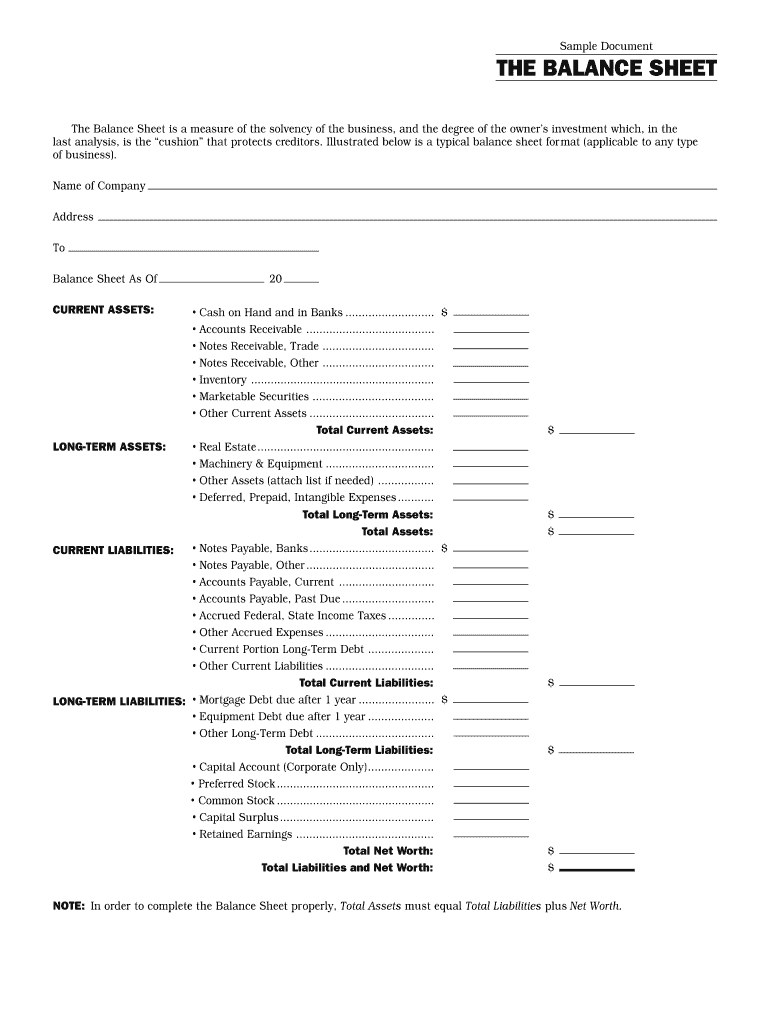
An interim year-to-date (YTD) balance sheet is a financial document that provides an overview of a company’s financial position at a specific point in time, reflecting the cumulative effect of business activities from the beginning of the fiscal year to the reporting date. It includes key sections that represent:
- Assets: Current and long-term assets that the company owns, such as cash, accounts receivable, inventory, real estate, and equipment.
- Liabilities: Obligations that the company owes to outsiders, including accounts payable, loans, and mortgages.
- Equity: The residual interest of the owners in the business after liabilities are deducted from assets, which can include retained earnings and additional paid-in capital.
The importance of the interim YTD balance sheet lies in its ability to provide stakeholders with timely insights into the company’s financial health without waiting for the end of the fiscal year. This document can be crucial for decision-making processes for investors, management, and financial institutions, allowing for adjustments based on current performance.
Key Elements of the Interim YTD Balance Sheet PDF
Understanding the specific components of an interim YTD balance sheet is essential for accurate interpretation and analysis. This document contains several critical elements:
-
Assets Section:
- Current Assets: Cash, cash equivalents, accounts receivable, inventory, etc.
- Long-term Assets: Property, plant and equipment (PPE), intangible assets, and investments.
-
Liabilities Section:
- Current Liabilities: Accounts payable, short-term loans, accrued expenses, and other obligations due within one year.
- Long-term Liabilities: Long-term loans, deferred tax liabilities, and bonds payable.
-
Equity Section:
- Owner's Equity: Common stock, preferred stock, retained earnings, and treasury stock.
- Each section must balance according to the accounting equation: Assets = Liabilities + Equity.
Utilizing these components during financial evaluations can guide businesses in formulating strategies for growth, investment opportunities, and overall financial stability.
How to Obtain the Interim YTD Balance Sheet PDF
Acquiring an interim YTD balance sheet involves several steps, which can vary based on the company’s financial reporting practices:
-
Prepare Financial Data:
- Collect and organize all relevant financial transactions, receipts, and statements.
-
Choose a Format:
- Decide on the software or application to use. Many businesses utilize accounting software that can automatically generate balance sheets.
-
Generate the Document:
- If using accounting software such as QuickBooks or Excel:
- Input the necessary data.
- Select the option to create a balance sheet.
- Set the date range to cover the desired year-to-date timeframe.
- If using accounting software such as QuickBooks or Excel:
-
Export to PDF:
- Most software will offer an option to export or save the generated balance sheet as a PDF file for easy sharing and printing.
-
Review the PDF:
- Ensure all entries are correct and comply with relevant accounting standards before distribution.
This process helps ensure the interim YTD balance sheet is accurate, professionally presented, and ready for stakeholders to review.
Steps to Complete the Interim YTD Balance Sheet PDF
Completing an interim YTD balance sheet requires thorough attention to detail. Here are the steps involved:
-
Gather Financial Information:
- Compile data from journals, ledgers, and financial statements up to the interim date.
-
Classify Assets and Liabilities:
- Sort assets into current and long-term categories, followed by liabilities using the same classification.
-
Calculate Totals:
- Sum up the current and long-term assets, then do the same for liabilities. This information will support the overall balance.
-
Determine Owner's Equity:
- Calculate total equity by subtracting total liabilities from total assets. Ensure this value aligns with internal records.
-
Ensure Compliance:
- Review the document against accounting principles to verify that it adheres to U.S. GAAP or IFRS standards where applicable.
-
Format for Clarity:
- Organize the information clearly, applying consistent fonts and spacing to create an accessible document.
-
Finalize the Document:
- After reviewing and editing, export the finalized version to PDF. Ensure all parties involved can access and understand the financial information presented.
Following these steps promotes accuracy and clarity, allowing stakeholders to make informed decisions based on the financial standing of the business.
Examples of Using the Interim YTD Balance Sheet PDF
The interim YTD balance sheet PDF serves various practical purposes across different contexts. Some common scenarios include:
-
Financial Analysis for Investors:
- Investors can assess a company’s current asset position versus its liabilities, offering insights into its financial stability and operational efficiency.
-
Budgeting and Forecasting:
- Companies utilize interim balance sheets to adjust their budgets and forecasts, particularly when assessing trends in asset liquidity or liability growth.
-
Loan Applications:
- Businesses applying for loans often need to present their interim balance sheet to financial institutions for credit assessments.
-
Internal Reporting:
- Internal management can leverage interim balance sheets to monitor performance, support strategic planning, and adjust operational workflows accordingly.
By employing these documents in different scenarios, organizations position themselves better for future planning and immediate decision-making.
Legal Use of the Interim YTD Balance Sheet PDF
The legal implications of an interim YTD balance sheet are significant. Companies must comply with regulations that govern financial reporting, which include:
-
Accuracy and Legality:
- Financial statements, including interim balance sheets, must accurately reflect the company’s financial position. Misrepresentation can lead to legal penalties and loss of credibility.
-
Investor Communications:
- Publicly traded companies are often mandated to disclose their interim financial positions to shareholders and regulatory agencies, ensuring transparency and trust in the marketplace.
-
Compliance with Standards:
- Organizations must adhere to reporting standards set forth by entities such as the Financial Accounting Standards Board (FASB) or the Securities and Exchange Commission (SEC), maintaining consistent documentation practices.
Understanding the legal framework governing interim balance sheets aids businesses in mitigating risks and reinforcing trust among stakeholders.