

Information about Motions - Montana 2026

Get Form
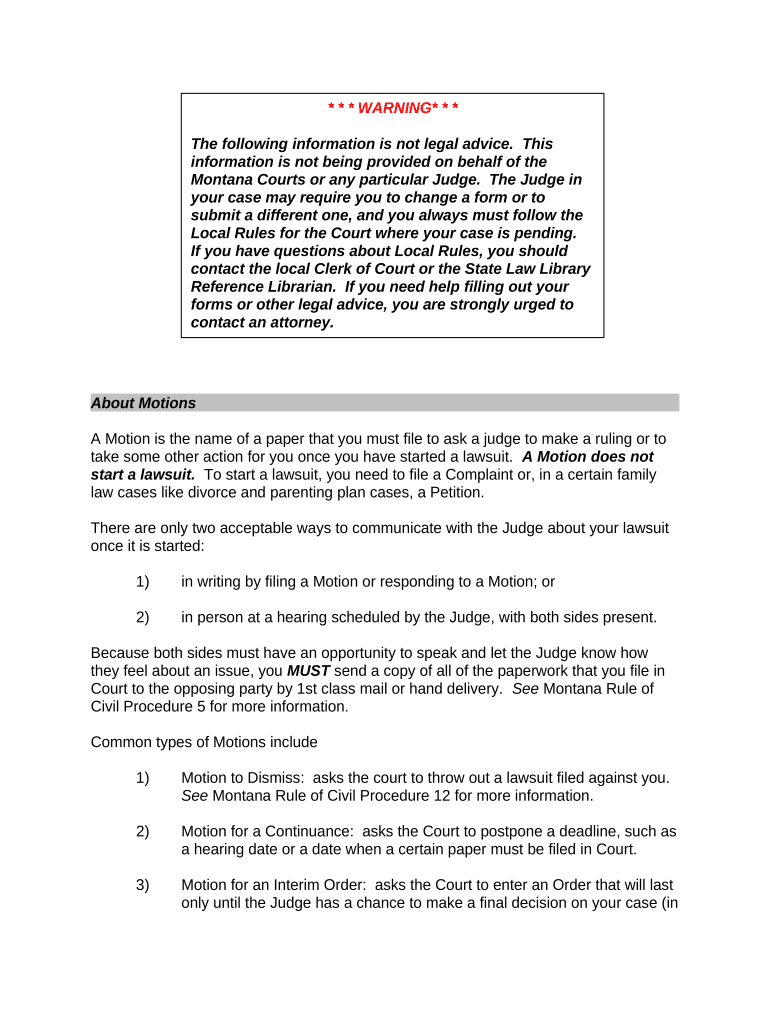
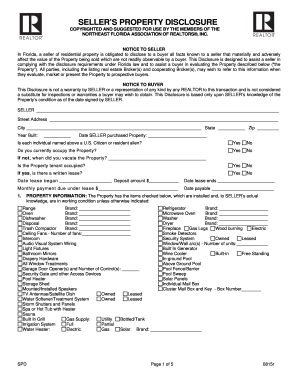
Information about Motions - Montana Preview on Page 1

Here's how it works

01. Edit your form online
Type text, add images, blackout confidential details, add comments, highlights and more.
02. Sign it in a few clicks
Draw your signature, type it, upload its image, or use your mobile device as a signature pad.
03. Share your form with others
Send it via email, link, or fax. You can also download it, export it or print it out.

How to use or fill out Information about Motions - Montana with our platform

Form edit decoration
9.5
Ease of Setup
DocHub User Ratings on G2
9.0
Ease of Use
DocHub User Ratings on G2
  1. Click ‘Get Form’ to open the Information about Motions - Montana in the editor.
  2. Begin by filling out the Motion form, clearly stating your request and supporting arguments. Include relevant laws and any attached documents.
  3. Complete the Affidavit, providing sworn statements of relevant facts. Remember to sign it in front of a Notary Public.
  4. Draft the proposed Order, ensuring it is concise and clear for the Judge's review.
  5. Fill out the Affidavit of Service, detailing how you delivered copies of your documents to the opposing party, and have it notarized.
  6. Once all forms are completed, file them with the appropriate Court and await responses from the opposing party within specified deadlines.

Start using our platform today to streamline your document editing and form completion for free!

be ready to get more

Complete this form in 5 minutes or less

Get form

Got questions?

We have answers to the most popular questions from our customers. If you can't find an answer to your question, please contact us.
Contact us
1) In writing by filing a Motion or responding to a Motion; or 2) In person at a hearing scheduled by the Judge, with both sides present.
(i) Responses to motions to dismiss, for judgment on the pleadings, or for summary judgment must be filed within 21 days after the motion was filed. (ii) Responses to all other motions must be filed within 14 days after the motion was filed.
A motion is an application to the court made by the prosecutor or defense attorney, requesting that the court make a decision on a certain issue before the trial begins. The motion can affect the trial, courtroom, defendants, evidence, or testimony.
The purpose of a motion is to request a court ruling on specific legal or procedural issues, such as dismissing a case, delaying a trial, excluding evidence, or seeking a new trial. Motions help manage the trial process and ensure fairness and proper legal proceedings.

Security and compliance

At DocHub, your data security is our priority. We follow HIPAA, SOC2, GDPR, and other standards, so you can work on your documents with confidence.

Learn more
ccpa2
pci-dss
gdpr-compliance
hipaa
soc-compliance