

Rhode island letter rent 2026

Get Form
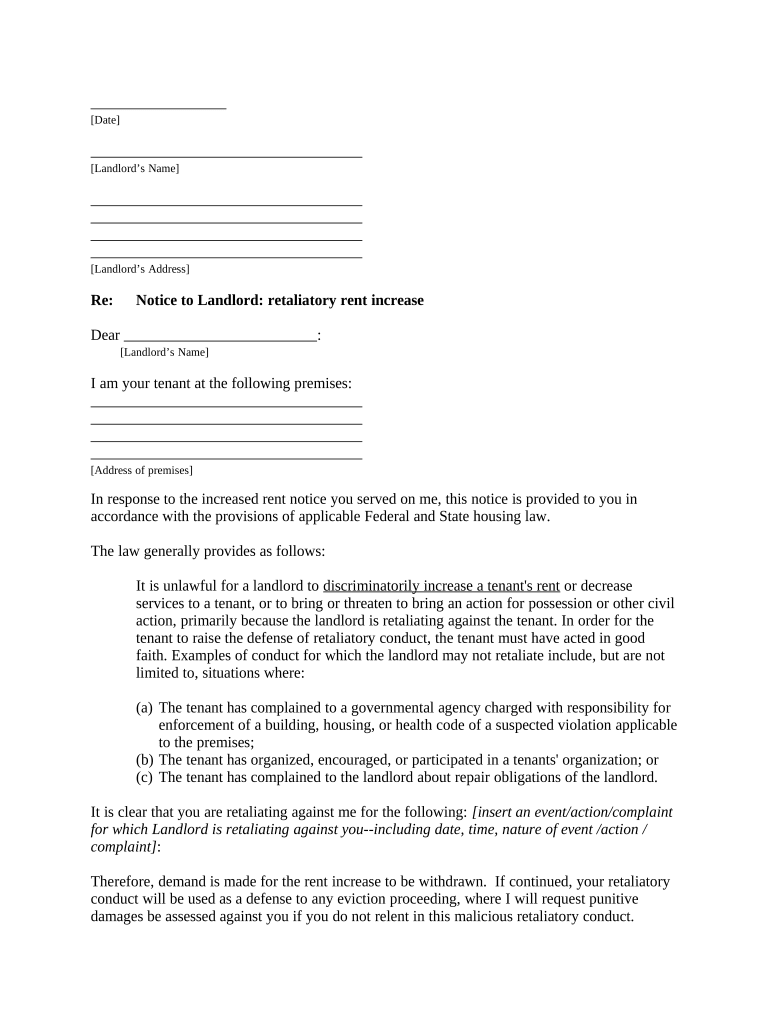
rhode island letter rent Preview on Page 1

Here's how it works

01. Edit your form online
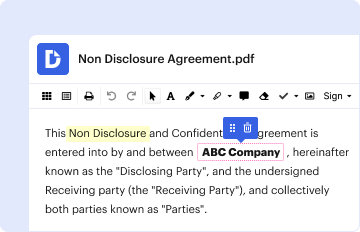
Type text, add images, blackout confidential details, add comments, highlights and more.
02. Sign it in a few clicks
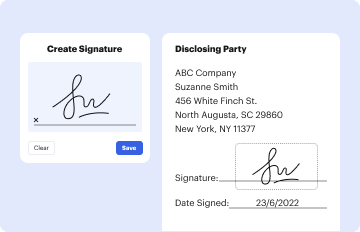
Draw your signature, type it, upload its image, or use your mobile device as a signature pad.
03. Share your form with others
Send it via email, link, or fax. You can also download it, export it or print it out.

How to use or fill out rhode island letter rent with our platform

Form edit decoration
9.5
Ease of Setup
DocHub User Ratings on G2
9.0
Ease of Use
DocHub User Ratings on G2
  1. Click ‘Get Form’ to open the Rhode Island Letter Rent in the editor.
  2. Begin by entering the date at the top of the document. This is essential for record-keeping.
  3. Fill in the landlord’s name and address in the designated fields to ensure proper identification.
  4. In the body of the letter, clearly state your name and address as the tenant. This establishes your identity in relation to the premises.
  5. Detail your response to the rent increase notice, referencing any applicable laws that protect you as a tenant against retaliatory actions.
  6. Insert specific instances of landlord retaliation, including dates and descriptions, to substantiate your claims.
  7. Sign and date the document at the bottom, ensuring it is complete before sending it off.
  8. Select a delivery method from options provided (personal delivery, certified mail, etc.) and indicate your choice.

Start using our platform today for free to streamline your document editing and signing process!

be ready to get more

Complete this form in 5 minutes or less

Get form

Got questions?

We have answers to the most popular questions from our customers. If you can't find an answer to your question, please contact us.
Contact us
Landlords cannot raise the rent by more than the annual rent increase limit that is set by the territory. As of May 15, 2025, landlords cannot increase rent by more than 2%.
How much notice does a landlord have to give a tenant to move out in RI? Landlords must provide at least 30 days notice to tenants on month-to-month leases to move out, and different rules apply for fixed-term leases based on the lease agreement.
For example, Rhode Island State Law requires that you mail the 5 day demand notice on or after the 16th day of the month. This gives the tenant 5 days from when the notice was mailed to pay the rent in full or be subject to an eviction filing. Sometimes, however, the 16th day falls on a Sunday or Holiday.
For month-to-month tenancies in Rhode Island, landlords need to follow specific notice requirements. These tenants require a written notice before a rent increase takes effect. The law mandates a minimum of 60 days notice for most month-to-month tenants. Compliance with this timeline is crucial to avoid legal issues.
Ask why theyre putting the rent up. Implore them not to. List all of the reasons why youve been a great tenant, explain how much you love living in the flat, that youre in it for the long haul. If they wont agree to keep your rent the same, try to negotiate a less substantial increase.
be ready to get more

Complete this form in 5 minutes or less

Get form

People also ask

In September of 2022, RentReliefRI closed. All cases in the previous program have been resolved and are not eligible to be reopened. The Eviction Prevention Assistance Program is now closed. The funding for this program has been depleted and additional funding is not expected.
Rent Increase Rules However, landlords in Rhode Island must provide tenants with proper written notice before increasing rent on a rental unit. The required written notice is 45 days for any rent increase. The notice must state the new increased amount the tenant will be required to pay.
A landlord who wants to end a month-to-month tenancy, but does not have legal cause to evict the tenant, can give the tenant a written 30-day notice to move. This notice must explain to the tenant that the landlord is terminating the tenancy and that the tenant must move out of the rental unit by the end of 30 days.

Related links