Ri landlord tenant 2026

Get Form
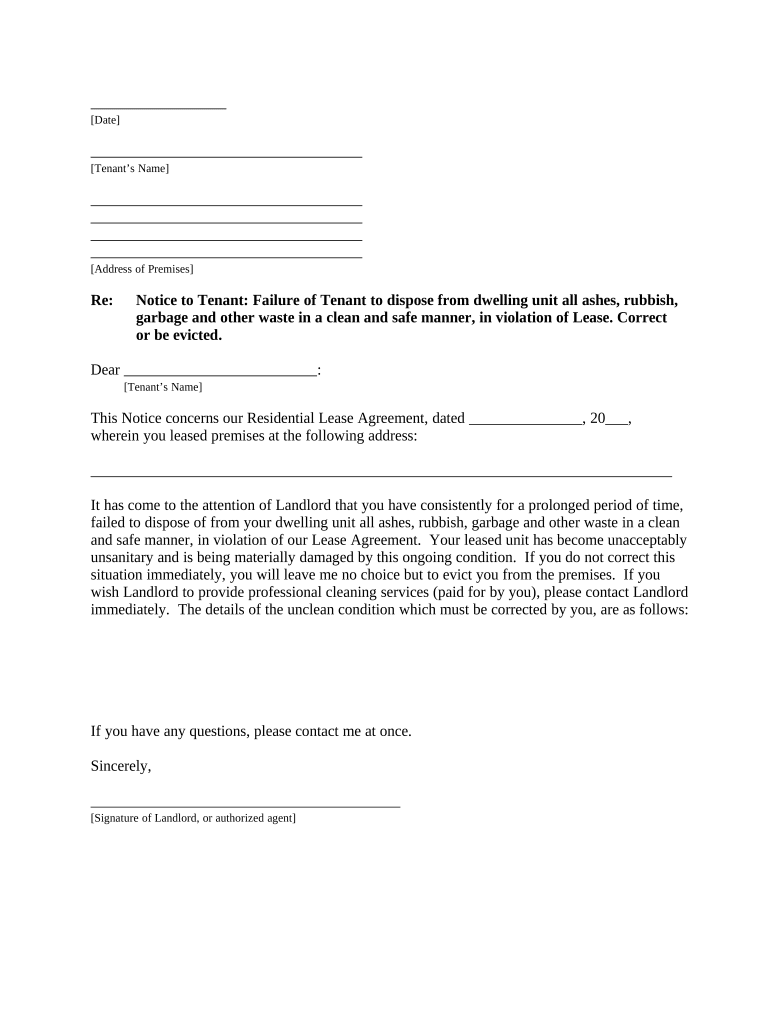
ri landlord tenant Preview on Page 1

Here's how it works

01. Edit your form online
Type text, add images, blackout confidential details, add comments, highlights and more.
02. Sign it in a few clicks
Draw your signature, type it, upload its image, or use your mobile device as a signature pad.
03. Share your form with others
Send it via email, link, or fax. You can also download it, export it or print it out.

How to use or fill out ri landlord tenant with our platform

Form edit decoration
9.5
Ease of Setup
DocHub User Ratings on G2
9.0
Ease of Use
DocHub User Ratings on G2
  1. Click ‘Get Form’ to open the ri landlord tenant document in the editor.
  2. Begin by entering the date at the top of the form. This is essential for record-keeping and establishing timelines.
  3. Fill in the Tenant’s Name and Address of Premises. Ensure accuracy as this identifies the parties involved.
  4. In the body of the notice, clearly state any violations regarding waste disposal. Use our platform's text tools to highlight specific issues.
  5. Specify the date of the Residential Lease Agreement and address where applicable. This connects your notice to existing agreements.
  6. Conclude with a signature line for the Landlord or authorized agent, ensuring it is signed before distribution.
  7. Select how you will deliver this notice (personal delivery, certified mail, etc.) and check the appropriate box.

Start using our platform today to streamline your document editing and ensure compliance effortlessly!

be ready to get more

Complete this form in 5 minutes or less

Get form

Got questions?

We have answers to the most popular questions from our customers. If you can't find an answer to your question, please contact us.
Contact us
Fixed-Term Leases and Notice Periods In certain states like California, a 60-day notice is required if the resident has lived in the unit for at least a year. Delaware requires at least a 60-day notice for month-to-month lease agreements. However, in most states, 30 days is the accepted minimum.
Although a landlord may own a rental property, tenants have unique protections from discrimination, harassment, arbitrary rent increases, and wrongful eviction.
How much notice does a landlord have to give a tenant to move out in RI? Landlords must provide at least 30 days notice to tenants on month-to-month leases to move out, and different rules apply for fixed-term leases based on the lease agreement.
- 3-Day Notice: Non-payment of rent or lease violations. - 30-60 Day Notice: For no-fault evictions. Landlords can file if the tenant fails to comply with the notice. The tenant must be served with the Summons and Complaint.
Rhode Island does not have any statewide laws that limit or control how much a landlord can raise the rent on rental properties. Landlords have the right to raise rents to market rates when an existing lease term expires or for month-to-month tenants.

Security and compliance

At DocHub, your data security is our priority. We follow HIPAA, SOC2, GDPR, and other standards, so you can work on your documents with confidence.

Learn more
ccpa2
pci-dss
gdpr-compliance
hipaa
soc-compliance

People also ask

A landlord who wants to end a month-to-month tenancy, but does not have legal cause to evict the tenant, can give the tenant a written 30-day notice to move. This notice must explain to the tenant that the landlord is terminating the tenancy and that the tenant must move out of the rental unit by the end of 30 days.
There must be a valid reason for evicting the tenant before foreclosure. In cases involving the foreclosure of the rental property AND a valid reason to evict a tenant, then the landlord must provide a 30-Days Notice to Quit.

Related links