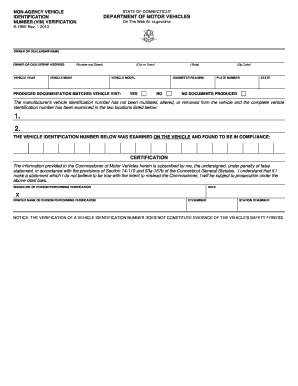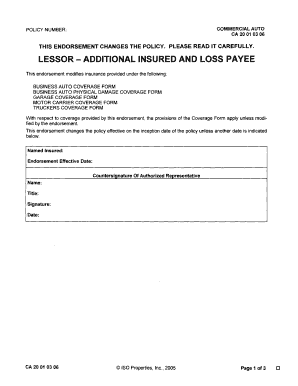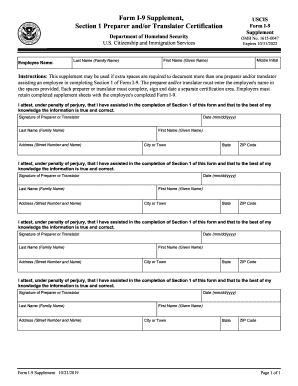
Pa estate 2026

Get Form
pa estate Preview on Page 1

Here's how it works

01. Edit your form online
Type text, add images, blackout confidential details, add comments, highlights and more.
02. Sign it in a few clicks
Draw your signature, type it, upload its image, or use your mobile device as a signature pad.
03. Share your form with others
Send it via email, link, or fax. You can also download it, export it or print it out.

How to use or fill out pa estate with our platform

Form edit decoration
9.5
Ease of Setup
DocHub User Ratings on G2
9.0
Ease of Use
DocHub User Ratings on G2
  1. Click ‘Get Form’ to open the pa estate document in the editor.
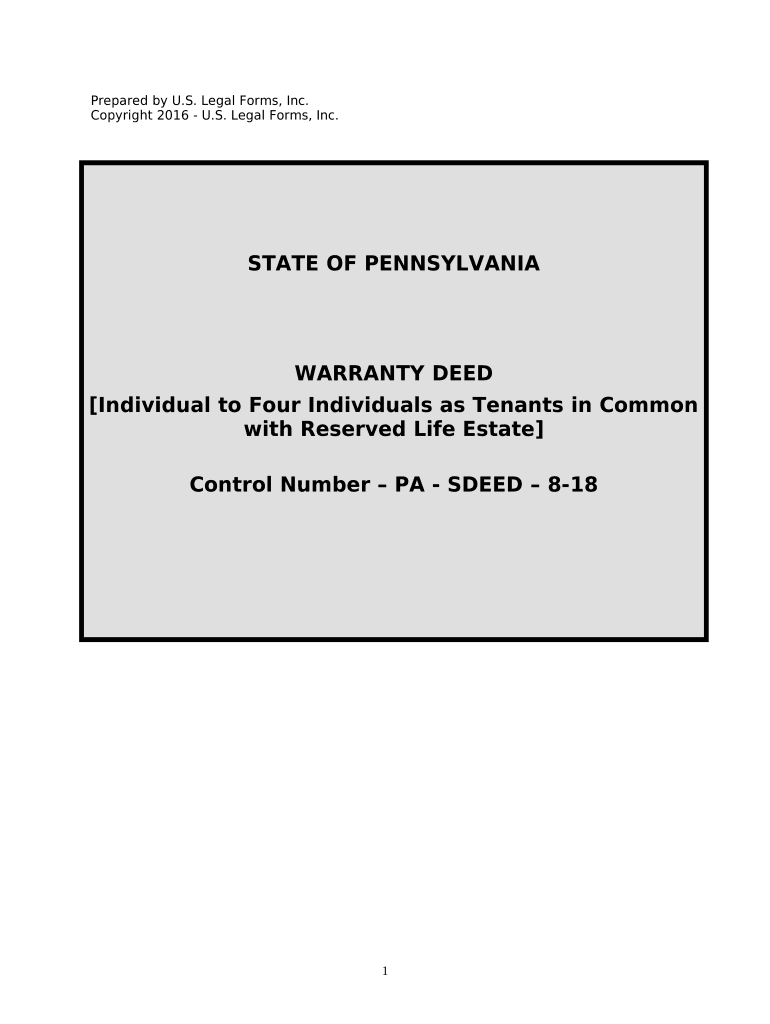
  2. Begin by reviewing the sections of the Warranty Deed. Identify the Grantors and Grantees, ensuring you have all necessary names and addresses ready for input.
  3. Navigate to the first form field and enter the date of execution. This is crucial for legal validity.
  4. Fill in the names of the Grantors and Grantees in their respective fields. Ensure accuracy as this information is vital for property transfer.
  5. Complete the property description section by entering details about the property location, including County and any legal descriptions required.
  6. If applicable, indicate any life estates retained by Grantors in the designated field.
  7. Finally, ensure all signatures are added where indicated, including those of witnesses and a Notary Public if required.

Start using our platform today to streamline your document editing and signing process for free!

be ready to get more

Complete this form in 5 minutes or less

Get form

Got questions?

We have answers to the most popular questions from our customers. If you can't find an answer to your question, please contact us.
Contact us
Secured claims such as mortgages on real estate, and claims to the federal government normally have priority and normally get paid first, but unsecured debts and estate expenses are generally paid in following order under Pennsylvanias priority statute: Estate administration expenses get paid first.
Understanding the Deceased Estate 3-Year Rule The core premise of the 3-year rule is that if the deceaseds estate is not claimed or administered within three years of their death, the state or governing body may step in and take control of the distribution and management of the assets.
The Probate Timeline in Pennsylvania Step 1: Filing the Will and Opening the Estate (Weeks 14) Step 2: Notifications and Advertising (Months 13) Step 3: Inventorying Assets (Months 39) Step 4: Paying Debts and Taxes (Months 312) Step 5: Distribution and Accounting (Months 924)
In general terms, the process of administering a decedents estate involves collecting all assets, locating all creditors, paying all debts, paying all applicable taxes, and then distributing the remaining assets to the persons entitled to inherit under the decedents Will, or where there is no Will, under the laws of
After paying all debts and expenses, you can give the remaining assets to beneficiaries. This is done according to the will or Pennsylvanias laws. You must provide a final accounting to the beneficiaries and the Register of Wills, showing the estates financial transactions and asset distribution.

Security and compliance

At DocHub, your data security is our priority. We follow HIPAA, SOC2, GDPR, and other standards, so you can work on your documents with confidence.

Learn more
ccpa2
pci-dss
gdpr-compliance
hipaa
soc-compliance