
Agreement for Delayed or Partial Rent Payments - Pennsylvania 2026

Get Form
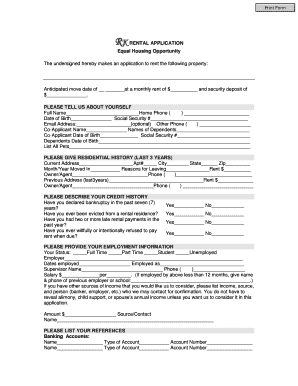
agreement for delayed or partial rent payments Preview on Page 1

Here's how it works

01. Edit your agreement for delayed or partial rent payments online
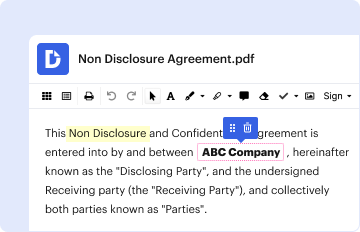
Type text, add images, blackout confidential details, add comments, highlights and more.
02. Sign it in a few clicks
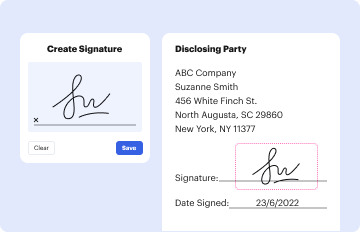
Draw your signature, type it, upload its image, or use your mobile device as a signature pad.
03. Share your form with others
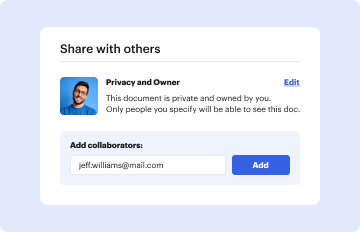
Send it via email, link, or fax. You can also download it, export it or print it out.

How to use or fill out Agreement for Delayed or Partial Rent Payments - Pennsylvania

Form edit decoration
9.5
Ease of Setup
DocHub User Ratings on G2
9.0
Ease of Use
DocHub User Ratings on G2
  1. Click ‘Get Form’ to open it in the editor.
  2. Begin by entering the date at the top of the form where indicated. This is essential for establishing the timeline of the agreement.
  3. Fill in the name of the Landlord in the designated space, ensuring accuracy as this identifies who is granting the delayed payment terms.
  4. Next, list all Lessees (Tenants) involved in this agreement. Each Tenant must be clearly identified to ensure all parties are bound by its terms.
  5. In section one, outline the specific payment schedule for delayed or partial rent payments. Be clear and precise to avoid any misunderstandings.
  6. Review section two carefully, which details consequences for non-compliance with payment terms. Understanding this will help prevent potential issues.
  7. Finally, ensure all parties sign and date the document at the bottom. This formalizes the agreement and makes it legally binding.

Start using our platform today to easily complete your Agreement for Delayed or Partial Rent Payments online for free!

be ready to get more

Complete this form in 5 minutes or less

Get form

Got questions?

We have answers to the most popular questions from our customers. If you can't find an answer to your question, please contact us.
Contact us
Even if there is no written lease, landlords must follow state eviction laws for month-to-month or at-will tenancies. In these cases, the landlord must give proper notice: typically, 15 days if the tenant has lived there for a year or less, and 30 days if over a year.
If you do not pay within 10 days or file an Appeal and pay a bond if required, the landlord may request an Order for Possession. Court costs will go up if the landlord requests an Order for Possession, so it is best to pay as soon as possible.
Reasons to Evict These are the most common reasons for eviction in Pennsylvania: Failing to Pay Rent: If a tenant falls behind on rent even by one day, the landlord can give the tenant a written ten-day Notice to Quit. If the tenant doesnt pay within those ten days, the landlord can start the eviction process.
Partial payments that cover only part of the full amount. They serve a few purposes. Partial payments can reduce tenant stress while keeping a landlords monthly cash flow on pace. For tenants, some may prefer to pay rent in two chunks: half early in the month, and the rest closer to the due date.
10-Day Notice to Quit: If a tenant doesnt pay rent when its due, the landlord can give the tenant a 10-day notice to quit. This notice informs the tenant that because the tenant failed to pay rent, the tenant must move out of the rental unit within 10 days.

Security and compliance

At DocHub, your data security is our priority. We follow HIPAA, SOC2, GDPR, and other standards, so you can work on your documents with confidence.

Learn more
ccpa2
pci-dss
gdpr-compliance
hipaa
soc-compliance

People also ask

To write a past-due rent letter: Include the date of the notice. State the tenants name and rental property address. Specify the overdue amount, original due date, and any applicable late fees. Provide a deadline for payment to avoid further action.
If you dont pay your rent or move out within three days, the landlord can go to court to have you evicted. If that happens, someone will serve you with a court notice called an Unlawful Detainer. The Unlawful Detainer is a lawsuit to have you evicted.
Youll probably be evicted if you dont pay. Even if you cant pay all the money, paying back some money over time might stop you from being evicted.

Related links