






Understanding the Direct Debit Mandate Template
A direct debit mandate template serves as a crucial document that facilitates the automatic collection of payments directly from a payer's bank account. This template is especially vital for businesses or organizations that require recurring payments, such as utilities, subscriptions, and loans. By simplifying the process of obtaining permission to debit funds, this document fosters convenience and reliability for both parties involved.
Key Components of a Direct Debit Mandate
The essential elements of a direct debit mandate typically include:
-
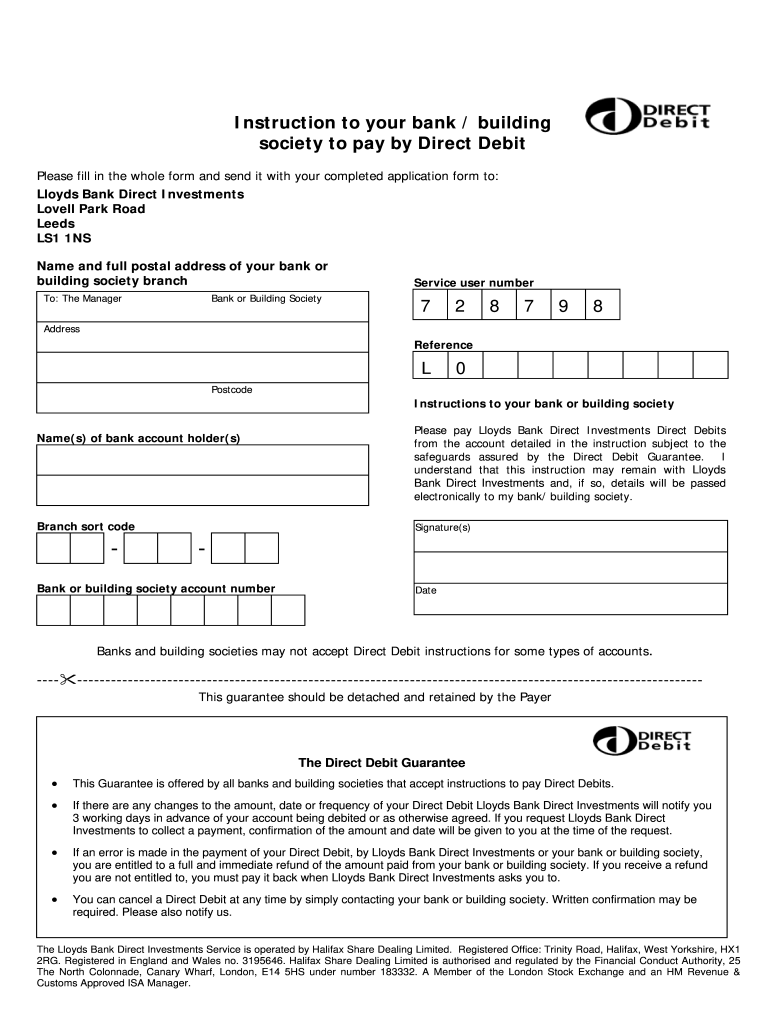
Payer Information: This section captures the payer's full name, address, and contact information to identify the individual or business responsible for the payment.
-
Bank Account Details: Accurate account information is critical for processing the direct debit. This includes the bank account number, sort code, and the name of the bank where the account is held.
-
Payment Information: Clearly defined payment amounts, payment frequency (e.g., weekly, monthly), and the duration of the direct debit arrangement are vital. This ensures both parties understand the financial commitment involved.
-
Authorization Signature: The document must include a section for the payer's signature, which authorizes the business or organization to initiate direct debits from their account.
How to Complete a Direct Debit Mandate Form
Filling out a direct debit mandate form requires attention to detail. Here are the steps to ensure accuracy:
-
Gather Required Information: Before starting, collect all necessary details such as personal identification, bank account information, and specific payment arrangements.
-
Fill Out the Payer Information Section: Enter the payer's name, address, and contact details as required.
-
Provide Bank Account Details: Carefully input the bank account number and sort code to minimize errors that could disrupt transactions.
-
Specify Payment Terms: Clearly state how much will be debited, the schedule for payments, and the total duration for which this mandate will remain valid.
-
Sign and Date: Lastly, the payer should sign and date the document to authorize the agreement. This step is critical for its legal enforceability.
Legal Considerations and Rights Under Direct Debit Agreements
Payers should be aware of their rights when entering a direct debit arrangement. Key rights include:
-
The Direct Debit Guarantee: This guarantees that payment errors can be rectified, and refunds are available in cases of unauthorized withdrawals or incorrect transactions.
-
Cancellation Rights: Payers can cancel their direct debit arrangement at any time by notifying both their bank and the organization collecting the payments.
-
Updates to Bank Details: Payers must inform the organization of any changes in bank account details, ensuring that payments are not disrupted.
Advantages of Using a Direct Debit Mandate Template
Utilizing a direct debit mandate template offers several benefits:
-
Efficiency: Automating payments means less manual processing and fewer missed payments, positively impacting cash flow for businesses.
-
Record Keeping: The template serves as a formal record of agreements made, which is essential for transparency and future reference.
-
Trust and Reliability: Clear documentation fosters trust between businesses and clients, reassuring clients that their payment information is secure and managed properly.
Variants of Direct Debit Mandate Forms
Different organizations may have their variations of the direct debit mandate form. Examples include:
-
Business-Specific Templates: Customized for specific business needs or industries, such as utilities or subscription services.
-
State-Specific Variations: Forms required in different states may have unique legal requirements or regulations, necessitating slight modifications to the standard template.
-
Digital vs. Paper Versions: While paper forms are still widely used, digital templates allow for electronic submission and processing, making them more efficient in a tech-driven economy.
Common Use Cases for a Direct Debit Mandate
Direct debit mandates are frequently used in various scenarios:
-
Utility Payments: Many households authorize direct debits for regular utility bills, ensuring that payments are made on time without manual intervention.
-
Subscription Services: Services such as streaming platforms or gym memberships often use direct debits to collect monthly fees seamlessly.
-
Loan Repayments: Banks and financial institutions frequently set up direct debits for loan repayments, ensuring consistent payment schedules.
By understanding the components, completion process, and advantages of using a direct debit mandate template, both businesses and individuals can navigate their payment obligations with greater ease and confidence.