Understanding Letter Reports in Security Contexts
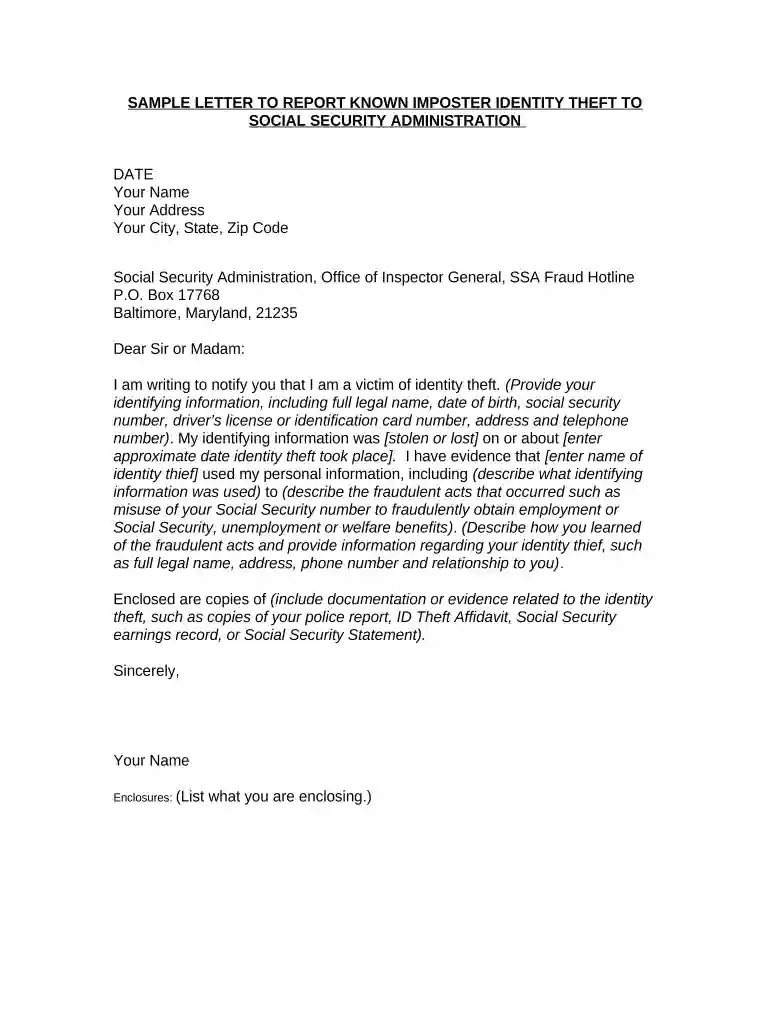
A letter report in a security context serves as a formal document that communicates incidents, findings, or actions related to security operations. This document format is crucial in various scenarios, including theft incidents, workplace events, and comprehensive security assessments. Below, we explore various components of crafting a letter report that effectively meets industry standards.
Components of a Security Letter Report
When drafting a security letter report, it's essential to include several key components to ensure clarity and thoroughness:
- Incident Description: This section should provide a detailed account of the event, including what occurred, when it happened, and where it took place.
- Individuals Involved: Clearly list all parties involved in the incident, including witnesses, suspects, and security personnel.
- Evidence Collected: Document any physical or digital evidence that supports the incident report. This could include photographs, video footage, witness statements, or any other relevant details.
- Actions Taken: Outline the immediate actions taken in response to the incident—this could include securing the area, contacting law enforcement, or initiating an internal investigation.
- Recommendations: Suggest measures to prevent future incidents, which may include changes in policy, additional training for staff, or upgrades to security systems.
Step-by-Step Process for Writing a Security Incident Report
Creating an effective letter report involves following a structured approach. Here are the steps to consider:
- Identify the Purpose: Determine if the report is meant to inform internal stakeholders, serve as documentation for law enforcement, or facilitate insurance claims.
- Gather Information: Collect all pertinent details about the incident, ensuring that your information is accurate and comprehensive.
- Organize the Report: Use a clear and logical structure to present your information. Consider using headings and bullet points for clarity.
- Draft the Letter: Begin writing, incorporating all key components. Use straightforward language, and avoid jargon that may confuse the recipient.
- Review and Revise: Once the report is drafted, review it for accuracy and clarity. This step is crucial to eliminate errors and ensure the report communicates the intended message.
Different Types of Security Letter Reports
Security letter reports can vary based on the context and nature of the incident. Here are a few common types:
- Theft Incident Report: This report details a theft that occurred, focusing on what was stolen, how it was taken, and any witness accounts.
- Accident Statement Letter: Used when accidents occur on premises, this document describes the incident and outlines any resulting injuries or property damage.
- Security Breach Report: This specific report details instances where security protocols were compromised, detailing the nature of the breach and remedial actions taken.
Legal Considerations for Security Reports
When preparing letter reports, there are several legal aspects to consider:
- Confidentiality: Ensure that sensitive information is not disclosed. This consideration is critical in cases involving personal data or ongoing investigations.
- Documentation Standards: Follow any relevant legal standards for recordkeeping. Adhering to guidelines helps protect against liability issues in the event of litigation.
- Compliance with Regulations: Organizations must remain compliant with local, state, and federal laws regarding reporting protocols and information security.
Common Mistakes to Avoid in Security Reports
Recognizing frequent pitfalls can enhance the effectiveness of your letter report:
- Vagueness: Avoid ambiguous language. Clear, specific descriptions lead to better understanding and action.
- Overly Complex Language: Strive to maintain simplicity. Reports should be understandable to all stakeholders, not just security professionals.
- Inaccurate Information: Always verify facts before including them in the report. Inaccuracy can undermine the report's credibility and lead to poor decision-making.
Examples of Effective Security Report Letters
To illustrate the points discussed, here are examples of effective letter reports:
- Theft Incident Report: "On March fifth, at approximately three PM, a theft was reported at the main entrance of our facility. A wallet belonging to John Doe was stolen while he was waiting in line. CCTV footage indicates an unidentified suspect approached and took the wallet from the counter."
- Accident Statement Letter: "On February tenth, a workplace accident occurred involving two employees during a routine task. The incident resulted in a minor injury to Employee A, who received immediate medical attention. An investigation has been initialized to pinpoint the cause and prevent recurrence."
By carefully considering these elements, security personnel can produce effective letter reports that accurately convey incidents, support operational decisions, and contribute to a safer environment.