




01. Edit your sample letter for commission payment online
Type text, add images, blackout confidential details, add comments, highlights and more.

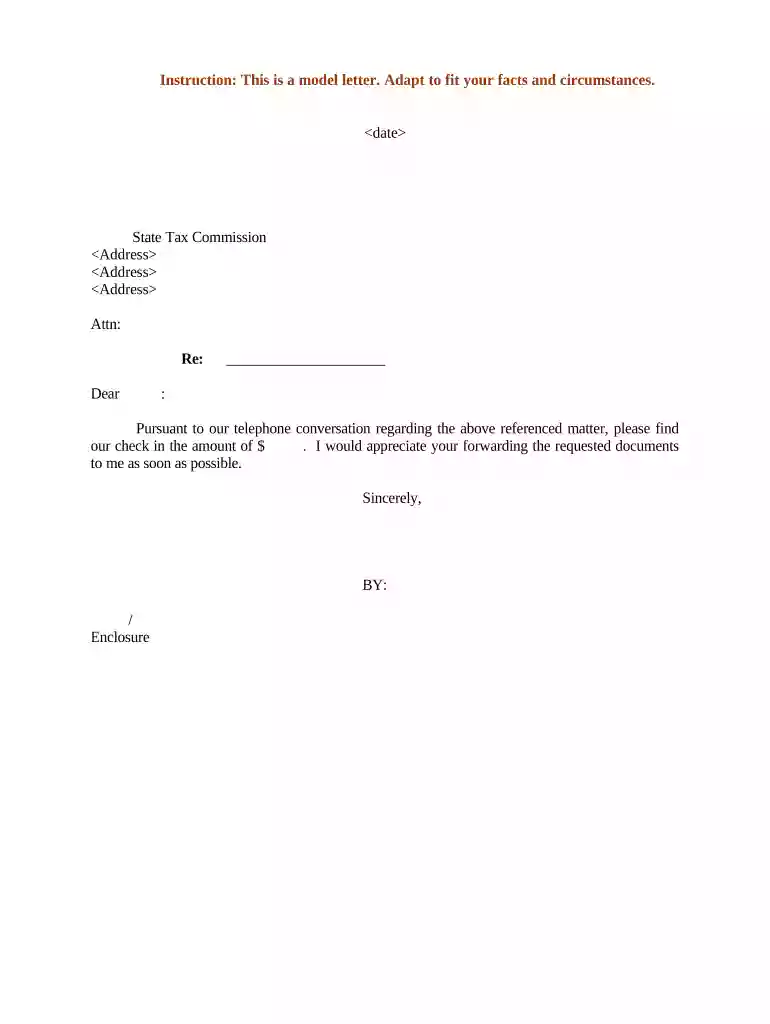
Type text, add images, blackout confidential details, add comments, highlights and more.

Draw your signature, type it, upload its image, or use your mobile device as a signature pad.

Send commission letter via email, link, or fax. You can also download it, export it or print it out.
A commission payment is a form of compensation provided to employees or associates based on the achievement of specific sales or performance goals. Commission can be a part of the overall compensation package and is usually calculated as a percentage of sales made or profit generated. For sales professionals, commission payments serve as a significant motivational tool, encouraging them to reach or exceed sales targets. Companies can structure these payments in various ways, such as tiered levels, where higher sales achievements lead to higher commission rates.
To maximize the benefits of a commission payment system, understanding how it fits into the overall compensation package is essential. It involves aligning individual sales targets with the company's strategic objectives. Employers need to clearly communicate how commissions are calculated, the type of sales that qualify for commissions, and the payout schedule. Employees can then use this information to focus their efforts on activities that will yield the highest commissions.
Employers need clear processes to calculate and distribute commission payments timely. Typically, this involves several key steps, such as verifying sales data, applying the correct commission structure, and ensuring compliance with any relevant employment laws.
The commission payment structure comprises several essential elements, which collectively determine how and when payments are made. Understanding these components helps in the design of effective commission systems that fairly compensate employee achievements.
A commission payment must comply with various legal frameworks ranging from employment laws to tax regulations. It is crucial for companies to design their commission systems in adherence to these legal requirements to avoid disputes and potential legal complications.
Commission payment systems use specific terminology that can impact how payments are structured and understood. Familiarity with these terms is crucial for both employers and employees.
The IRS provides guidelines to ensure the proper tax treatment of commission payments for both employers and employees. Understanding these guidelines helps in compliant reporting and avoidance of penalties.
Certain business types reap more benefits from incorporating commission structures due to the nature of their operations, particularly in sales-driven industries.
At DocHub, your data security is our priority. We follow HIPAA, SOC2, GDPR, and other standards, so you can work on your documents with confidence.
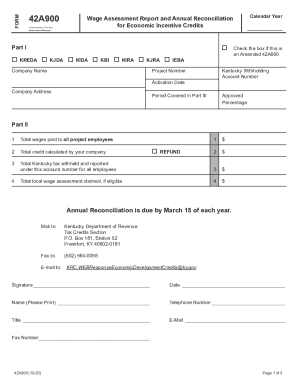


A commission may be paid in addition to a salary or instead of a salary. The Fair Labor Standards Act (FLSA) does not require the payment of commissions.
Commission is a payment based on performance, usually calculated as a percentage of sales. Role in Motivation and Engagement. Boosts performance and morale
Commissions (whether based on a percentage of total sales or of sales in excess are payments for hours worked and must be included in the regular rate.


