Demand bond 2026

Get Form
demand bond Preview on Page 1

Here's how it works

01. Edit your form online
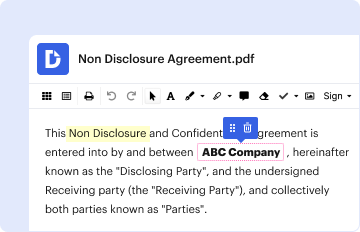
Type text, add images, blackout confidential details, add comments, highlights and more.
02. Sign it in a few clicks
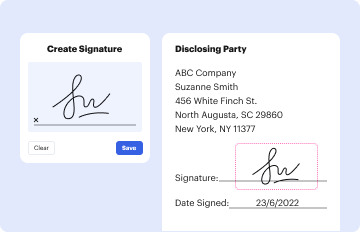
Draw your signature, type it, upload its image, or use your mobile device as a signature pad.
03. Share your form with others
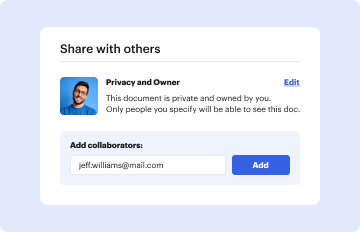
Send it via email, link, or fax. You can also download it, export it or print it out.

How to use or fill out demand bond with our platform

Form edit decoration
9.5
Ease of Setup
DocHub User Ratings on G2
9.0
Ease of Use
DocHub User Ratings on G2
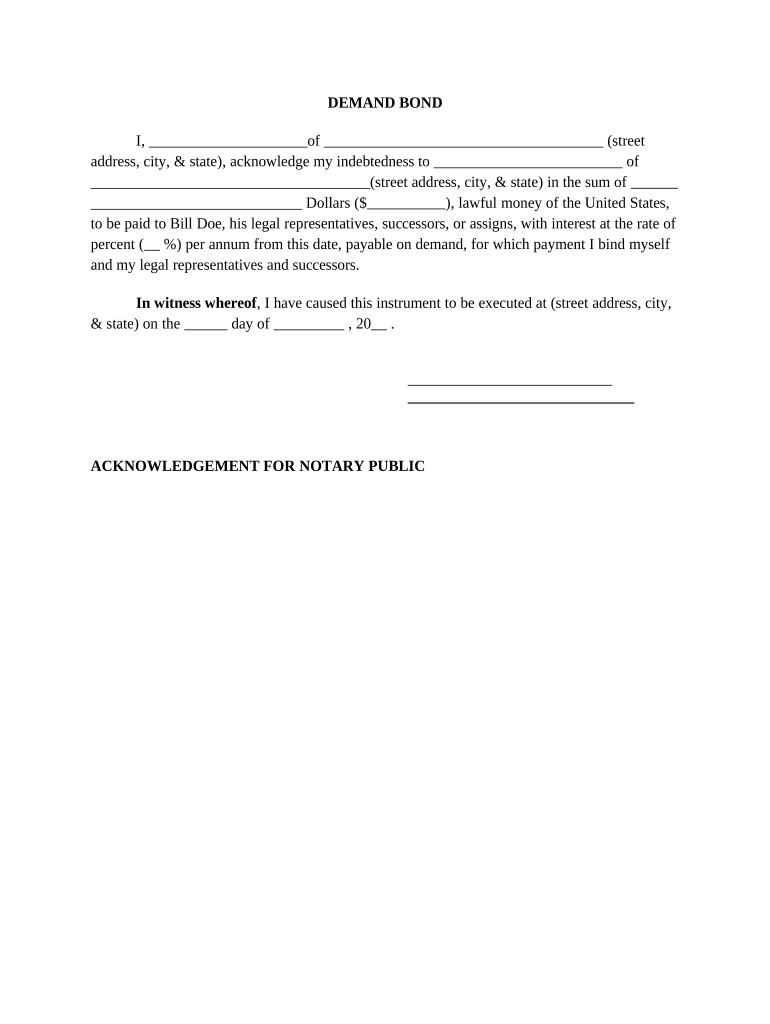
  1. Click ‘Get Form’ to open the demand bond in the editor.
  2. Begin by filling in your name and address in the first blank space, ensuring accuracy for legal purposes.
  3. Next, enter the name and address of the creditor in the designated fields. This identifies who you owe money to.
  4. In the amount section, specify the total sum owed in dollars. Make sure this figure is correct as it represents your financial obligation.
  5. Indicate the interest rate applicable to this bond. This should be a percentage that reflects any agreed-upon terms.
  6. Complete the execution section by entering your location and date of signing. This finalizes your commitment to the terms outlined.
  7. If required, include an acknowledgment for a notary public to validate your signature and ensure legal compliance.

Start using our platform today to fill out your demand bond easily and for free!

be ready to get more

Complete this form in 5 minutes or less

Get form

Got questions?

We have answers to the most popular questions from our customers. If you can't find an answer to your question, please contact us.
Contact us
In law, a bond is a written promise to perform a specific act or pay a penalty if the promise is not fulfilled. Bail bonds are commonly used in criminal cases to ensure defendants appear in court. Bonds can also be used in civil proceedings, construction contracts, and financial transactions.
The essential difference between an on-demand bond and a default bond is that, under an on-demand bond, the employer does not have to prove default. Provided that they can show that they have complied with the conditions for demanding the bond, the employer can call on it.
There are many types of surety bonds, and each state has its own bonding requirements for different industries. However, there are four major types of surety bonds that you should know: license and permit bonds, contract bonds, court bonds, and fidelity bonds.
Demand Guarantee: Explicitly shown as being issued by a bank. The Guidance for Sub-Clause 4.2 mentions it should be issued by an entity and from within a country (or other jurisdiction) approved by the Employer. Surety Bond: Explicitly involves a Guarantor (typically a surety company).
An on-demand security bond is an unconditional obligation to pay when a demand has been made. A surety bond or performance guarantee requires certain conditions to be met before payment is made. Some contracts provide standard form security documents.

Security and compliance

At DocHub, your data security is our priority. We follow HIPAA, SOC2, GDPR, and other standards, so you can work on your documents with confidence.

Learn more
ccpa2
pci-dss
gdpr-compliance
hipaa
soc-compliance

People also ask

Example of on-demand bond: [] signed by and between [the Employer] and [the Contractor], undertakes to pay to you [the Employer] an amount up to $ [000] upon your simple written request, without limitation and/or conditions and notwithstanding any objection raised by the Contractor.
Is the security an on-demand bond or guarantee? An on-demand security bond is an unconditional obligation to pay when a demand has been made. A surety bond or performance guarantee requires certain conditions to be met before payment is made. Some contracts provide standard form security documents.

Related links