Agreement student 2026

Get Form
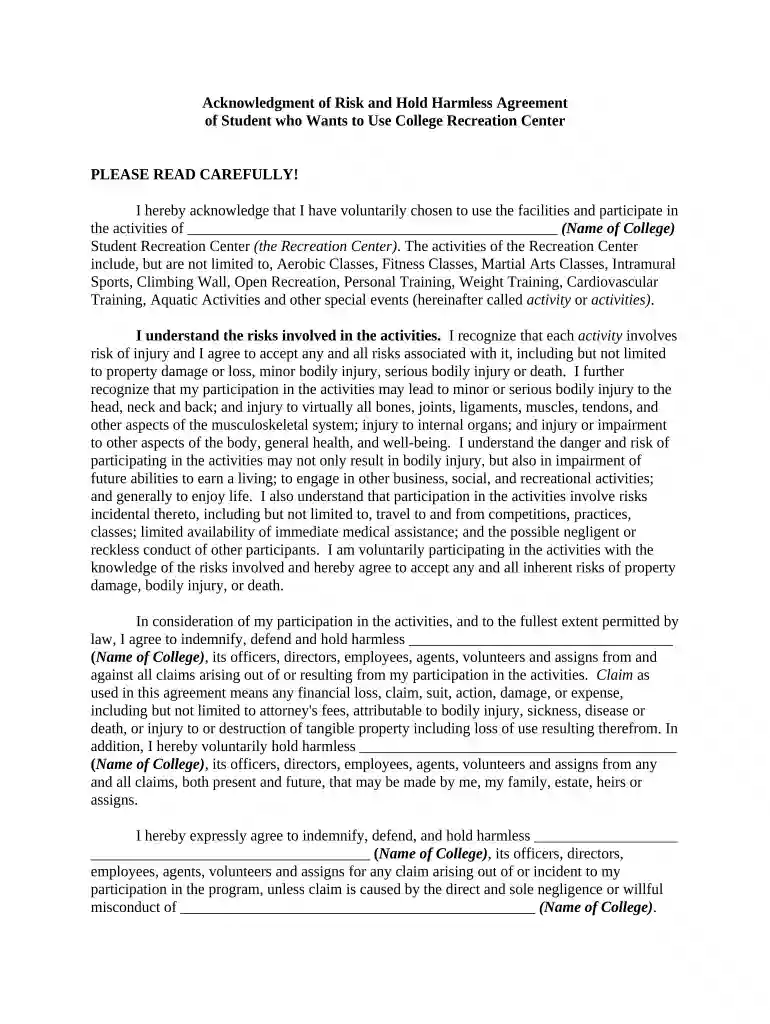
emerson frp e tools Preview on Page 1

Here's how it works

01. Edit your emerson frp e tools online
Type text, add images, blackout confidential details, add comments, highlights and more.

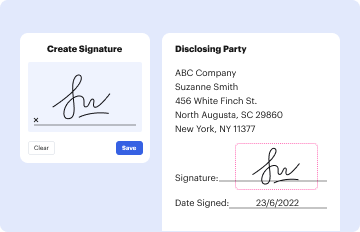
02. Sign it in a few clicks
Draw your signature, type it, upload its image, or use your mobile device as a signature pad.
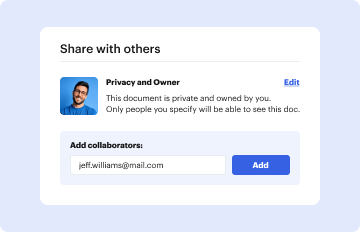
03. Share your form with others
Send emerson frp tools via email, link, or fax. You can also download it, export it or print it out.

Definition and Importance of the Agreement Student

An agreement student is a formal document that outlines the rules and expectations between educational institutions and students. This type of agreement typically encompasses various aspects of student life, including responsibilities, rights, and academic integrity. The agreement may cover issues such as tuition fees, attendance policies, conduct standards, and implications for non-compliance.

Understanding the agreement student is crucial as it serves as a mutual understanding between the institution and the student. It protects both parties: the institution enforces its policies, while students are made aware of their responsibilities and the consequences of failing to adhere to them. By signing the agreement, students acknowledge their acceptance of these terms and conditions, leading to a clear framework for their academic journey.

Key Elements of an Agreement Student

Several essential components typically comprise an agreement student. These elements work together to ensure clarity and mutual accountability.

  • Tuition and Fees: Details regarding tuition costs, payment schedules, and any additional fees are outlined to eliminate any confusion about financial obligations.
  • Academic Standards: The agreement establishes academic expectations and performance criteria, ensuring that students understand what is required for ongoing enrollment and graduation.
  • Disciplinary Policies: It includes provisions for behavior expectations and the repercussions of violations, safeguarding the learning environment.
  • Health and Safety Regulations: Many agreements contain clauses related to health protocols, especially significant in the context of health crises like pandemics, outlining students' obligations regarding safety.
  • Intellectual Property Rights: Clarifications on ownership of student work and institutional resources are often included.

Understanding these elements enhances students' awareness of their rights and responsibilities, contributing to a better academic experience.

Steps to Complete the Agreement Student

Completing the agreement student typically involves specific steps that ensure compliance with institutional policies. Below are the general procedures to follow:

  1. Review the Document: Students should thoroughly read the terms of the agreement to understand their commitments fully.
  2. Seek Clarification: If any aspect of the agreement is unclear, students should reach out to academic advisors or designated administrators for explanation.
  3. Sign the Agreement: Once comfortable, students sign the document, either electronically or in print, signalling their acceptance of the terms.
  4. Submit to the Institution: The signed agreement must be submitted to the appropriate office within the institution, often the admissions or registrar's office, by a specified deadline.
  5. Keep a Copy: Students should retain a copy of the signed agreement for personal records, as this can be important for future reference.

Following these steps ensures that students are fully informed and comply with institutional requirements.

Legal Use of the Agreement Student

The legal framework surrounding the agreement student varies by state and educational institutions. The agreement must comply with relevant federal and state laws to ensure its enforceability.

  • Contractual Obligations: The agreement is legally binding, meaning that both the institution and the student are held accountable to the stated terms. Non-compliance by either party can lead to legal consequences, reinforcing the importance of understanding the terms thoroughly.
  • Student Rights: Institutions must adhere to laws concerning student rights, including Fair Housing and Title IX provisions. The agreement should not infringe upon these rights.
  • Dispute Resolution: Many agreements include a dispute resolution process, outlining steps for addressing conflicts that arise from the agreement. This might refer students to mediation or campus grievance procedures.

Being informed about the legal aspects ensures that students are aware of their rights and can seek recourse if necessary.

Important Terms Related to the Agreement Student

Several specific terms are frequently associated with the agreement student, and understanding these is essential for clarity:

  • Non-compliance: Failing to adhere to the terms of the agreement, which may result in disciplinary actions.
  • Indemnification: A clause where the student agrees to hold the institution harmless from any claims or damages resulting from their actions during their enrolment.
  • Amendments: Changes made to the agreement that may require re-signing or acknowledgment by students.
  • Effective Date: The date when the agreement becomes operative, typically at the start of the academic term.

Familiarity with these terms helps students navigate their agreements with greater confidence.

Common Scenarios Involving the Agreement Student

Understanding practical scenarios can shed light on the implications of the agreement student:

  • Academic Probation: A student who fails to meet academic standards outlined in the agreement may be placed on academic probation, restricting their ability to enroll in certain courses.
  • Code of Conduct Violations: A student who violates the disciplinary policies may face sanctions ranging from warnings to expulsion.
  • Withdrawal Procedures: The agreement usually outlines steps for withdrawal from the institution, including financial implications related to tuition and fees.

Awareness of these scenarios enables students to recognize the importance of adhering to the agreement's terms and how it applies to real-life situations.

be ready to get more

Complete this form in 5 minutes or less

Get form

Got questions?

We have answers to the most popular questions from our customers. If you can't find an answer to your question, please contact us.
Contact us
An agreement and a contract share the fundamental purpose of establishing mutual obligations between parties, yet they differ in their legal implications and formalities.
The Student Entry Agreement details the expectations we have of our students, and provides information about required uniform and patient contact throughout the course. All new students are expected to sign the agreement relevent to their course as part of their enrolment process.
What is a learning agreement? What topics are in or out of the learning objectives How deadlines will be set and a broad plan of work Expectation setting around students identifying additional learning objectives Ideas for how the learner will benchmark their progress and/or learning
A learning contract is a negotiated agreement between a teacher and a student to work on a given task independently or cooperatively that is related to specific curriculum objectives. Learning contracts often provide for student choice and allow students to determine appropriate means to demonstrate knowledge.
Student Exchange This is an agreement between the university and another institution to allow mutually acceptable students from one institution to take classes for credit at the partnering institution. In a reciprocal exchange, students will continue to pay tuition to the home institution in most cases.

Security and compliance

At DocHub, your data security is our priority. We follow HIPAA, SOC2, GDPR, and other standards, so you can work on your documents with confidence.

Learn more
ccpa2
pci-dss
gdpr-compliance
hipaa
soc-compliance
be ready to get more

Complete this form in 5 minutes or less

Get form

People also ask

A learning agreement is a document that sets out in writing the commitments made by an employer and one or more unions, specifying how they will work together on learning issues. In some employers, there will already be an agreement in place.
A learning agreement is a document that outlines the commitments made by your employer, as well as your trade union (thats us!) on how they will work in collaboration on learning and training in your workplace.
⚡ Quick summary. The words students and students are both used to show possession. The word students is a singular possessive (as in one students book), while students is a plural possessive (as in many students books).

emerson frp e tools 2025