



Understanding the Sample Letter for Erroneous Information on Credit Report
The Sample Letter for Erroneous Information on Credit Report serves as a vital tool for individuals looking to rectify inaccuracies found on their credit reports. This letter not only requests the removal of incorrect information but also prompts prompt communication from credit bureaus regarding the status of the dispute. Writing this letter can be a critical step towards ensuring an accurate credit history, which is essential for loan approvals and favorable interest rates.
Key Elements to Include in the Letter
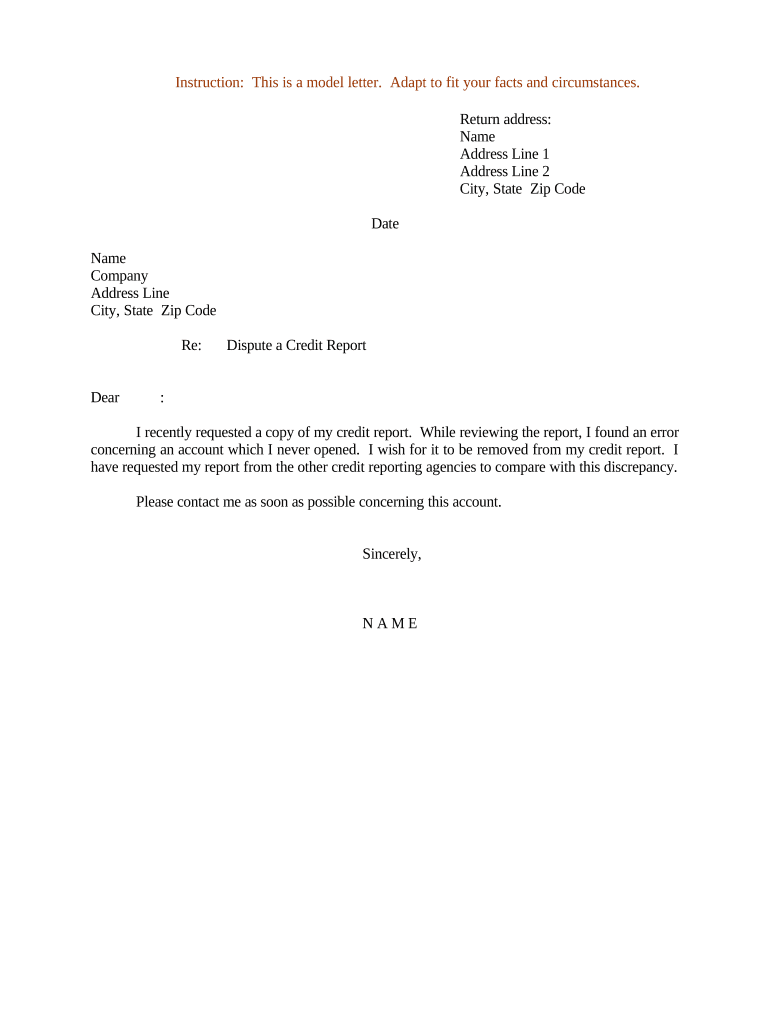
When drafting a letter to dispute erroneous information on a credit report, it's important to include specific components to enhance clarity and effectiveness. These elements typically include:
- Your Contact Information: Include your full name, address, phone number, and email.
- Recipient’s Information: Address the letter to the credit reporting agency that reported the erroneous information, including their name and address.
- Subject Line: Clearly state the purpose of the letter, such as "Dispute of Erroneous Information on Credit Report."
- Account Details: Provide details of the account in question, including the account number and any identifiers.
- Description of the Error: Clearly outline what information is incorrect and why it is erroneous.
- Requested Action: Specify what you would like the credit bureau to do, such as removing the incorrect item.
- Supporting Documentation: Mention any documents you are including to support your dispute, such as a copy of your credit report or evidence of the discrepancy.
Steps to Complete the Sample Letter
Creating a sample letter to dispute erroneous information involves a structured approach:
- Gather Your Credit Report: Obtain a recent copy of your credit report from all major credit bureaus.
- Identify Errors: Carefully review the report and underline or highlight any inaccuracies, notes, or discrepancies.
- Craft Your Letter: Compose the letter, ensuring it includes all key elements mentioned previously.
- Attach Documentation: If applicable, attach copies of documents supporting your claim.
- Send the Letter: Mail the letter via certified mail to ensure receipt, keeping a copy for your records.
Legal Aspects of Disputing Credit Report Errors
The Fair Credit Reporting Act (FCRA) governs consumer rights regarding credit reporting. Under the FCRA, consumers have the right to dispute inaccuracies in their credit reports. Credit bureaus are legally mandated to investigate disputes and respond within a reasonable timeframe, typically 30 days. Leveraging this legal framework can strengthen your letter and underscore the urgency of your request.
Common Scenarios for Using This Sample Letter
Various individuals might benefit from this letter template, including:
- Consumers with Mistaken Identity: Individuals whose reports include accounts opened by someone else.
- Victims of Fraud: Those who have fallen victim to identity theft may see inaccurate accounts or debts.
- People Addressing Outdated Information: Consumers looking to remove outdated addresses or closed accounts that negatively affect their credit score.
Frequently Asked Questions about the Sample Letter
Understanding how to use the Sample Letter for Erroneous Information can lead to better credit health. Here are common questions:
- What if I Don't Receive a Response?: If the credit bureau fails to respond within 30 days, you have the right to follow up or escalate the matter.
- Can I Dispute Multiple Errors in One Letter?: Yes, you can address multiple discrepancies in a single letter, making sure each one is clearly detailed.
- Is There a Standard Format for This Letter?: While there is no standard format, following a structured layout with clear headings and logical flow can improve readability.
Resources for Further Assistance
For those who require additional guidance, various resources are available:
- Credit Counseling Services: Professionals who can offer advice and strategies for managing credit disputes.
- Legal Aid Organizations: These can provide legal support if you face issues with credit reporting agencies.
Adopting a systematic approach to utilizing the Sample Letter for Erroneous Information on Credit Report empowers consumers to take control of their credit profiles effectively.