

Continuing Guaranty of Business Indebtedness By Corporate Stockholders 2026

Get Form
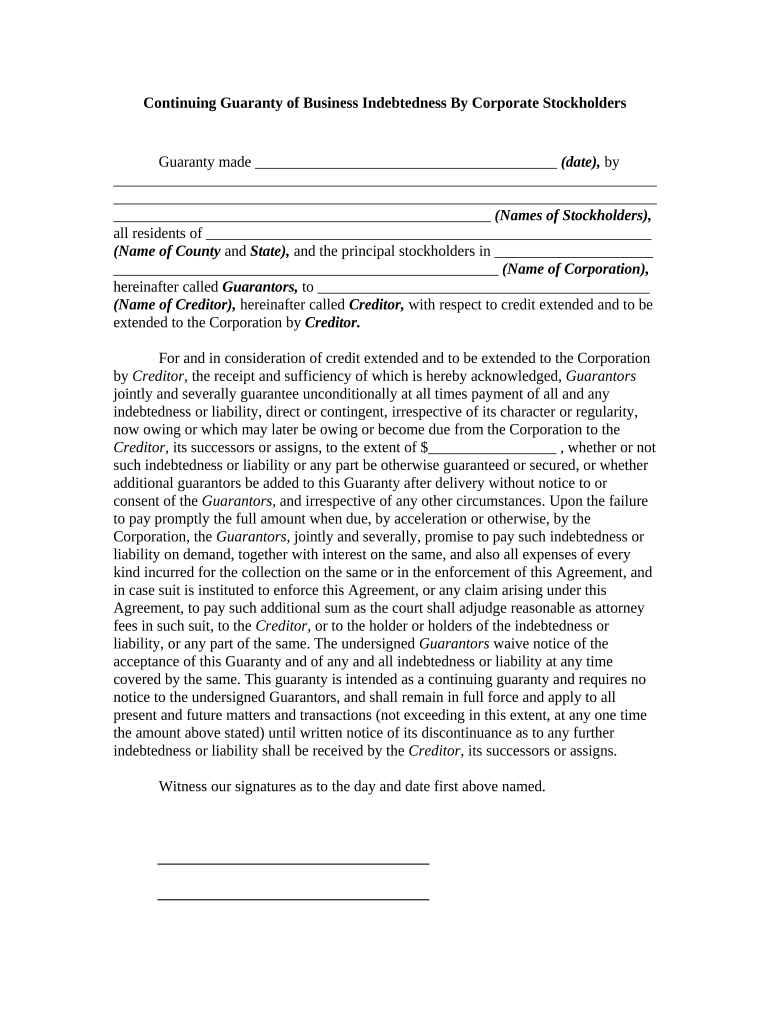
Continuing Guaranty of Business Indebtedness By Corporate Stockholders Preview on Page 1

Here's how it works

01. Edit your form online
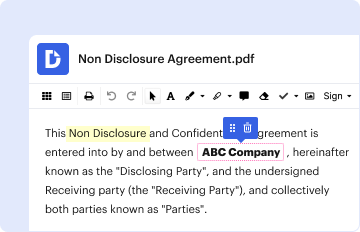
Type text, add images, blackout confidential details, add comments, highlights and more.
02. Sign it in a few clicks
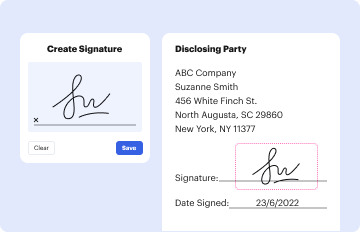
Draw your signature, type it, upload its image, or use your mobile device as a signature pad.
03. Share your form with others
Send it via email, link, or fax. You can also download it, export it or print it out.

How to use or fill out Continuing Guaranty of Business Indebtedness By Corporate Stockholders with our platform

Form edit decoration
9.5
Ease of Setup
DocHub User Ratings on G2
9.0
Ease of Use
DocHub User Ratings on G2
  1. Click ‘Get Form’ to open it in the editor.
  2. Begin by entering the date of the guaranty at the top of the form. This is crucial as it establishes the timeline for the agreement.
  3. Fill in the names of all stockholders acting as guarantors. Ensure that each name is clearly written to avoid any confusion regarding responsibility.
  4. Next, specify the county and state where the stockholders reside. This information is important for legal jurisdiction.
  5. Indicate the name of the corporation for which this guaranty is being made. This identifies which entity's debts are being guaranteed.
  6. In the section for creditor details, enter the name of the creditor extending credit to the corporation. This ensures clarity on who will benefit from this guaranty.
  7. Specify the maximum amount guaranteed by entering a dollar figure in the designated space. This limits liability and clarifies financial exposure.
  8. Finally, ensure all stockholders sign and date at the bottom of the form, confirming their agreement to these terms.

Start using our platform today to easily complete your Continuing Guaranty form online for free!

be ready to get more

Complete this form in 5 minutes or less

Get form

Got questions?

We have answers to the most popular questions from our customers. If you can't find an answer to your question, please contact us.
Contact us
The difference between corporate and personal guarantors is quite simple: a personal guarantor is an individual who agrees to take on the obligations of a debt for a debtor, whereas a corporate guarantor is a corporation that takes on payment responsibilities.
It guarantees that, should the borrower trigger an event of default that cannot be remedied, the guarantor will make the lender whole on its credit exposure. A guarantee can be signed by any number of third parties, although the guarantor often has some connection to the borrower.
Further, bank guarantees are commonly associated with financial transactions, while corporate guarantees serve a broader range of functions, including securing loans, facilitating business relationships, and supporting subsidiary operations.
A financial guarantee is a type of promise given by a guarantor to take responsibility for the borrower in the case of default in payments to the lender or investor. Generally, insurance companies give guarantee to back the debt of large corporations (the borrower) in payments to the market (the lender).
Traditionally, a distinction is made between: Real guarantees relating to assets having an intrinsic value. Personal guarantees involving a debt obligation for one or more people. Moral guarantees that do not provide the lender with any real legal security.
be ready to get more

Complete this form in 5 minutes or less

Get form

People also ask

A corporate guarantee is a legal commitment by a company to cover the debt or obligations of another party if they default. There are various types of corporate guarantees, including absolute, conditional, performance, payment, and limited guarantees, each with unique implications.

Related links