In its widest sense, indemnity means protection against, or compensation for, a loss or liability. Some indemnity claims arise by operation of law.
What is an indemnity agreement?
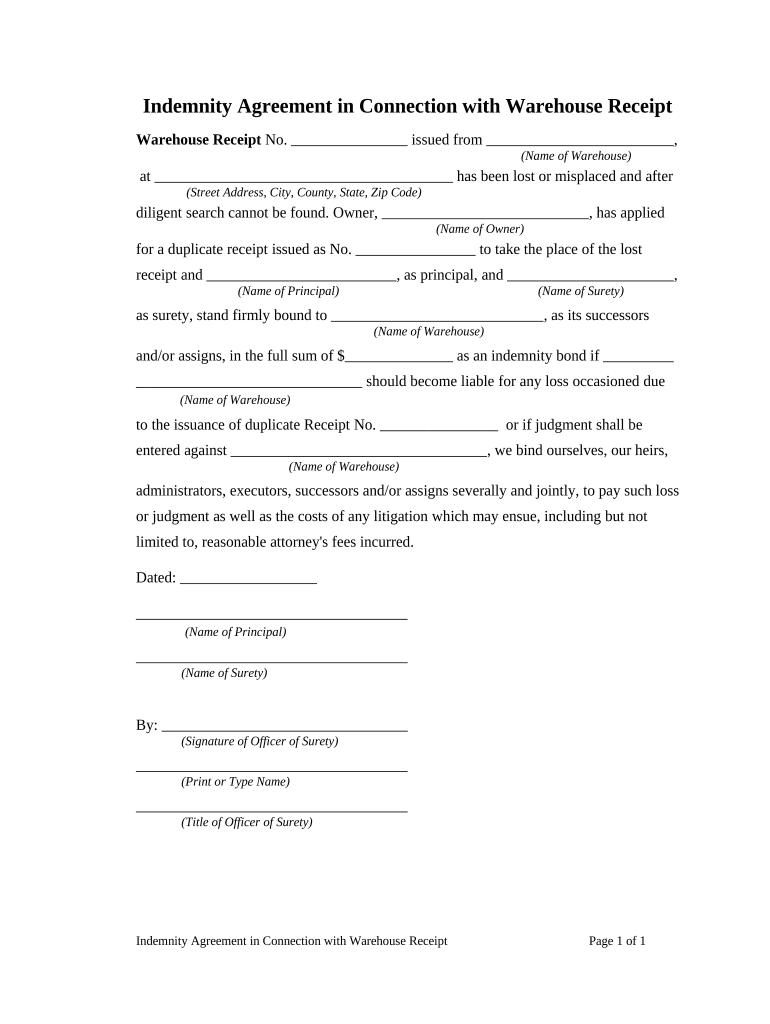
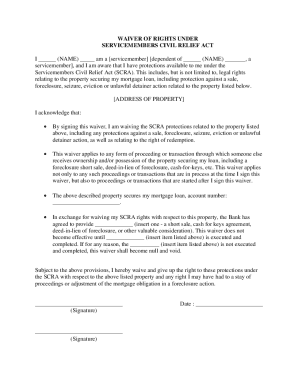
An indemnity agreement, also called a hold harmless agreement or waiver of liability, is a type of insurance contract that states that one party will pay for damages or other expenses for another party.
What is an example of an indemnity contract?
Example: A person (bailor) hands over goods to another person (bailee) for storage or safekeeping. The bailee agrees to indemnify the bailor if the goods are damaged, lost, or stolen while in the bailees possession. If the goods are damaged, the bailee would compensate the bailor under the indemnity contract.
What is the purpose of the indemnity agreement?
Indemnity is a comprehensive form of insurance compensation for damage or loss. It amounts to a contractual agreement between two parties in which one party agrees to pay for potential losses or damage caused by another party.
Is indemnity good or bad?
The indemnity clause is a vital element in many agreements, especially commercial contracts. By helping allocate risk among the contracting parties, these clauses provide more equity and risk avoidance to the contracting process.
Related Searches
Indemnity agreement with templateIndemnity Agreement Sample PDFIndemnity agreement with exampleIndemnity agreement with propertyShould I sign an indemnity agreementIndemnity clause SAMPLEIndemnity agreement template freeWhat is an indemnity agreement in real estate
Security and compliance
At DocHub, your data security is our priority. We follow HIPAA, SOC2, GDPR, and other standards, so you can work on your documents with confidence.
How to Write an Indemnity Agreement Consider the Indemnity Laws in Your Area. Draft the Indemnification Clause. Outline the Indemnification Period and Scope of Coverage. State the Indemnification Exceptions. Specify How the Indemnitee Notifies the Indemnitor About Claims. Write the Settlement and Consent Clause.
What is an indemnity agreement with a bank?
An indemnity agreement is a contract that protects one party of a transaction from the risks or liabilities created by the other party of the transaction. Hold harmless agreement, no-fault agreement, release of liability, or waiver of liability are other terms for an indemnity agreement.
Related links
Hold Harmless and Indemnity Agreements
Indemnity Agreement: Although similar to a hold harmless agreement, an indemnity agreement is an arrangement whereby one party agrees to pay the other party for
A copy of the executed covenant,. Form M-950 IC, shall be presented to the District Permit Manager prior to the granting of the Permit, together with evidence.
Cookie consent notice
This site uses cookies to enhance site navigation and personalize your experience.
By using this site you agree to our use of cookies as described in our Privacy Notice.
You can modify your selections by visiting our Cookie and Advertising Notice.