01. Edit your billing letter sample online
Type text, add images, blackout confidential details, add comments, highlights and more.

Type text, add images, blackout confidential details, add comments, highlights and more.

Draw your signature, type it, upload its image, or use your mobile device as a signature pad.

Send billing letter requesting payment via email, link, or fax. You can also download it, export it or print it out.
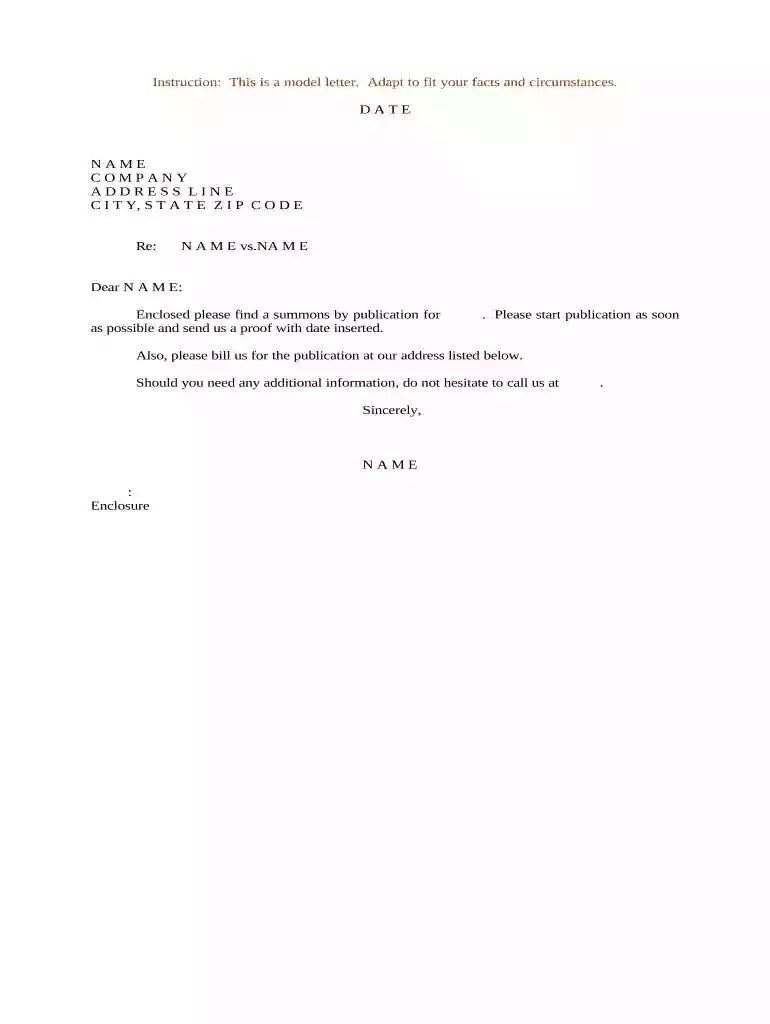
A billing request letter is a formal communication sent by an individual or organization to request payment for goods or services provided. This type of letter typically includes specific details about the transaction, including amounts owed, due dates, and any relevant invoice numbers. It serves as a reminder to the recipient of their outstanding balance and is often used when previous attempts to collect the payment have been unsuccessful.
Sender Information: The name, address, and contact details of the sender should be clearly stated. This helps the recipient understand who is sending the request and allows them to reach out if necessary.
Recipient Information: Clearly state who the billing request is directed to, including their name and address. Addressing the letter properly ensures it reaches the right individual or organization.
Subject Line: Including a subject line such as “Billing Request” or “Payment Reminder” helps the recipient immediately understand the purpose of the letter.
Details of the Invoice: Include the invoice number, date of the invoice, and a breakdown of the charges. This information provides clarity and allows the recipient to verify the claim against their records.
Payment Instructions: Clearly define how and where the payment should be made. This may include bank account details for electronic payments or instructions for mailing a check.
Using clear and professional language in the letter promotes a respectful tone and increases the likelihood of a prompt payment. It is crucial to remain polite, even when requesting overdue payments, as maintaining a positive relationship with clients is vital for future business interactions.
Composing a billing request letter involves several systematic steps to ensure all necessary information is included and presented clearly.
Gather Required Information: Collect all pertinent details, such as the recipient's name, contact information, and specific details about the invoice in question.
Structure Your Letter: Organize your letter into distinct sections, including a greeting, body, and closing. This structure aids readability and comprehension.
Draft the Body Content:
Proofread and Revise: Before sending, review the letter to eliminate errors and ensure clarity. A well-written letter reflects professionalism and careful attention to detail.
Send the Letter: Choose your preferred method of delivery, whether by email or postal mail. Retain a copy for your records.
Illustrating the application of a billing request letter can enhance understanding and offer practical context.
A graphic design company recently completed a project for a local business. The company is now sending a billing request letter because payment of $1,000 has not yet been received. The letter includes the invoice number, project completion date, and a reminder that payment was due thirty days ago.
A freelance writer delivers articles on a monthly retainer basis. When a client misses the monthly payment of $500, the writer sends a billing request letter that details previous invoices, the due date, and clearly states that the payment was expected on the first of the month.
A medical practice sends a billing request letter to a patient whose insurance has not covered a portion of their bill. The letter outlines the services rendered, the payment owed, and offers payment plans if the bill is too high for one-time payment.
Understanding the legal implications surrounding a billing request letter is crucial for compliance and ensuring the documents can be used effectively in collections.
Familiarizing yourself with commonly used terms related to billing request letters can greatly enhance your understanding and effectiveness in using them.
Understanding these key terms will help you more effectively navigate billing communications and ensure clarity in your requests.
At DocHub, your data security is our priority. We follow HIPAA, SOC2, GDPR, and other standards, so you can work on your documents with confidence.