






Understanding the Connecticut DMV Bill of Sale
The Connecticut DMV Bill of Sale is a vital document used to formalize the transfer of ownership of a vehicle or vessel between a seller and a purchaser. This legally binding form serves as proof of the transaction and outlines the responsibilities of both parties involved.
Key Information Included in the Bill of Sale
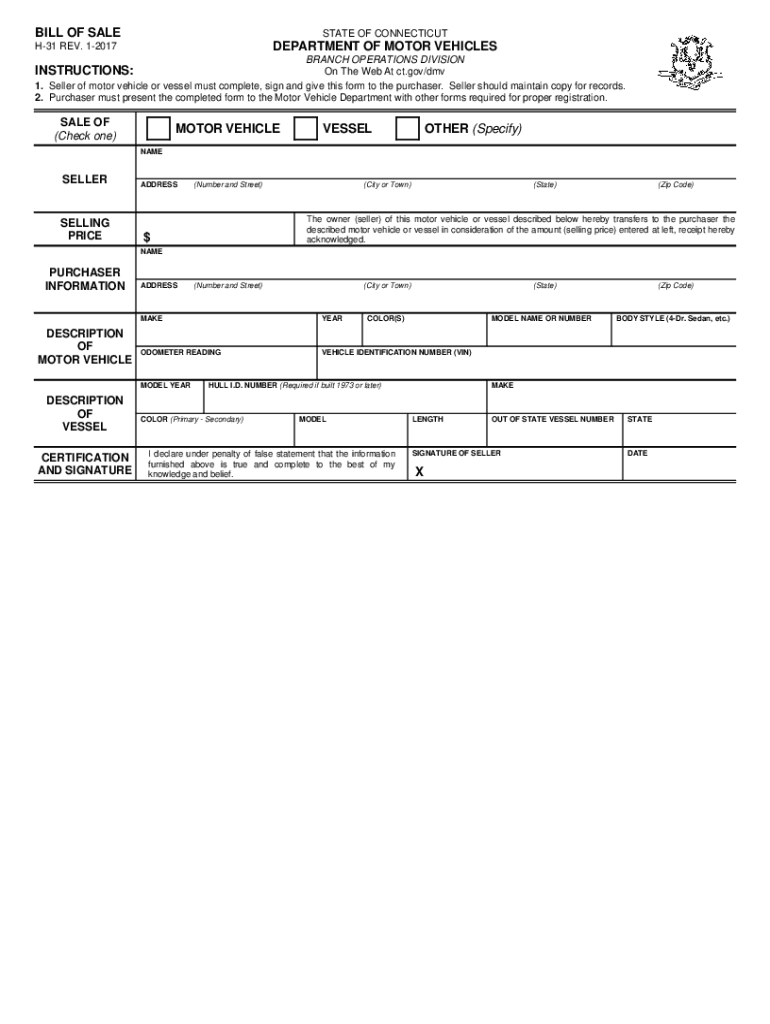
The CT DMV Bill of Sale typically includes several critical sections:
- Seller Information: This includes the seller's name, address, and contact details.
- Purchaser Information: Similarly, the purchaser's name and address are recorded.
- Vehicle or Vessel Details: Essential information such as the make, model, year, Vehicle Identification Number (VIN), or Vessel Registration Number.
- Selling Price: A clear statement of the agreed-upon selling price for the vehicle or vessel.
- Signatures: Both the seller and purchaser must sign the document to validate the transaction.
Each section plays a crucial role in the legal transfer of ownership and ensures that both parties adhere to the terms of the sale.
How to Properly Complete the CT DMV Bill of Sale
Filling out the CT DMV Bill of Sale correctly is essential to avoid any potential issues during the registration process. Here’s a step-by-step guide:
- Provide Accurate Seller and Purchaser Information: Ensure that both parties' names and addresses are filled out clearly and accurately.
- Detail the Vehicle or Vessel Information: Enter the make, model, year, and VIN or registration number. Any omission in this information could lead to complications.
- Specify the Sale Price: State the amount agreed upon for the sale, which should match any financial transactions made.
- Sign the Document: Both the seller and purchaser must sign the document. It is recommended to have a witness present during the signing for extra security.
- Date the Document: Including the date is vital to establish the timeline of the sale.
Importance of Using the CT DMV Bill of Sale
Utilizing the Connecticut DMV Bill of Sale offers several advantages:
- Legally Binding Evidence: This document provides proof of transaction that both parties can reference if disputes arise in the future.
- Facilitates Registration and Title Transfer: The completed form is essential for the purchaser when they go to register the vehicle or vessel in their name.
- Protection for Both Parties: By documenting the sale terms, the form protects the rights and responsibilities of both the seller and the purchaser.
Using the Bill of Sale for Gift Transfers
In some cases, vehicles or vessels may be given as gifts. The CT DMV Bill of Sale can also be used in those instances. When transferring ownership as a gift, certain details must be addressed:
- Indicate the Transaction as a Gift: Make a note on the form that the sale price reflects zero dollars or is a gift transfer.
- Gift Tax Considerations: While gifting is prevalent, it's advisable to check for any state-specific tax implications, especially if the value exceeds certain thresholds.
Variations and Related Forms
There are several related forms and variations of the CT DMV Bill of Sale that are important to be aware of:
- CT DMV Form H-31: This is a specific form used for vehicle sales in Connecticut, incorporating all necessary details for the transaction.
- CT DMV Q1 Form: Sometimes used in conjunction with the bill of sale for registration purposes, it includes additional information about the vehicle.
Maintaining Compliance with DMV Regulations
To ensure that the bill of sale meets all state regulations, consider the following:
- Follow Connecticut DMV Guidelines: Always refer to the official DMV instructions regarding the completion of the bill of sale.
- Keep Copies for Records: After completion, it's prudent for both parties to retain copies of the bill of sale for personal record-keeping.
- Address Changes Promptly: Should there be any changes in vehicle ownership, it is mandatory to notify the DMV promptly to avoid penalties.
By understanding the nuances of the Connecticut DMV Bill of Sale, both buyers and sellers can navigate the legalities of vehicle or vessel transfers more effectively, ensuring a smooth and transparent process.