Deed conveying 2026

Get Form
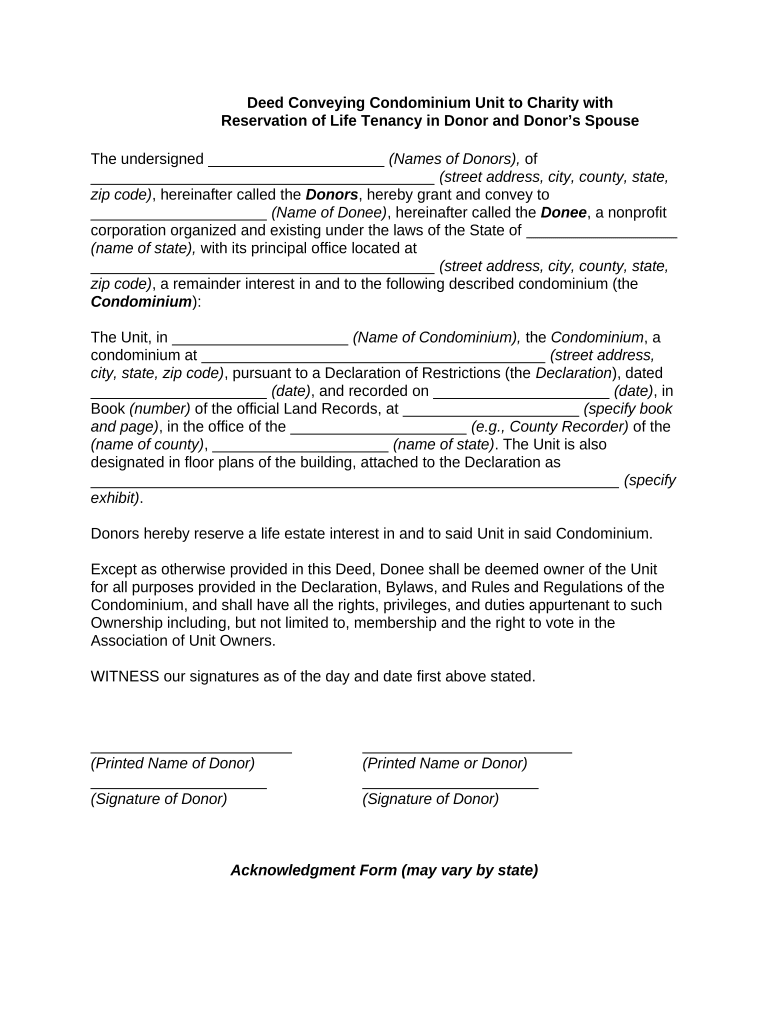
deed conveying Preview on Page 1

Here's how it works

01. Edit your form online
Type text, add images, blackout confidential details, add comments, highlights and more.
02. Sign it in a few clicks
Draw your signature, type it, upload its image, or use your mobile device as a signature pad.
03. Share your form with others
Send it via email, link, or fax. You can also download it, export it or print it out.

How to use or fill out deed conveying with our platform

Form edit decoration
9.5
Ease of Setup
DocHub User Ratings on G2
9.0
Ease of Use
DocHub User Ratings on G2
  1. Click ‘Get Form’ to open the deed conveying document in the editor.
  2. Begin by entering the names of the donors in the designated field. Ensure that you provide accurate and complete names for legal clarity.
  3. Fill in the street address, city, county, state, and zip code of the donors. This information is crucial for identifying the parties involved.
  4. Next, input the name of the donee (the charity) and its corresponding address details. Confirm that all information aligns with official records.
  5. Describe the condominium unit being conveyed by specifying its name and address. Include any relevant details from the Declaration of Restrictions.
  6. Indicate the dates related to the Declaration and its recording in land records. This ensures proper documentation of ownership transfer.
  7. Reserve a life estate interest by clearly stating this intention within the form. This section is vital for defining ownership rights post-conveyance.
  8. Finally, have both donors sign and print their names at the bottom of the document to validate it legally.

Start using our platform today to easily fill out your deed conveying form online for free!

be ready to get more

Complete this form in 5 minutes or less

Get form

Got questions?

We have answers to the most popular questions from our customers. If you can't find an answer to your question, please contact us.
Contact us
A conveyance is the transfer and assignment of any property right or interest from one individual or entity (the conveyor) to another (the conveyee). This is usually accomplished through a written instrument - most often a deed - that transfers title to, or creates a lien on property.
At its core, convey refers to the transfer of ownership of a property from one party to another. Its a pivotal step in the home-buying or selling process, and understanding it is essential for all involved parties.
A deed of conveyance operating by way of release; that is, intended to pass any title, interest or claim which the grantor may have in the premises, but not professing that such title is valid, no containing any warranty or covenants for title.
Conveyed by Deed The person conveying the property is known as the grantor and the person receiving the property is the grantee. The grantor may convey the entirety of the parcel without any reservations through a transfer otherwise known as a transfer in fee simple.
To convey is to make a transfer of a property interest to another individual by either sale or gift. This transaction is known as a conveyance. The standard way to convey a property interest is through a deed. The party who conveys property is known as the conveyor.
be ready to get more

Complete this form in 5 minutes or less

Get form

People also ask

So when two parties engage in the sale of a piece of property, they transfer ownership through a conveyance. For instance, when a car owner legally signs the title over to a buyer, they are engaged in a conveyance. The term conveyance is commonly associated with real estate transactions.
Legal Proof of Transfer: The conveyance deed acts as legal proof of ownership transfer and is crucial for resolving property title disputes. Ownership Validation: It confirms who legally owns the property and outlines the owners rights, helping protect those rights in future dealings or disputes.

Related links