




Definition and Meaning of the Forwarding Letter for Submitting Documents
A forwarding letter for submitting documents serves as an official communication method where a sender provides necessary documents to a recipient, typically for review, approval, or record-keeping. This type of letter ensures clear communication regarding the contents of the enclosed documents and can be vital in various contexts, such as legal, academic, business, and personal submissions.
Purpose of the Forwarding Letter
- Clear Communication: It outlines what documents are included and the purpose of their submission.
- Documentation: It acts as a record of what has been sent and when.
- Professionalism: It adds a formal touch to various submissions, demonstrating due diligence in communication.
Common Uses
- In academic settings, students may submit applications or assignments.
- Businesses might send contracts, proposals, or compliance documents.
- Individuals could submit insurance claims or legal documents.
How to Use the Forwarding Letter for Submitting Documents
Utilizing a forwarding letter effectively involves specific steps that ensure clarity and completeness.
Steps to Use a Forwarding Letter
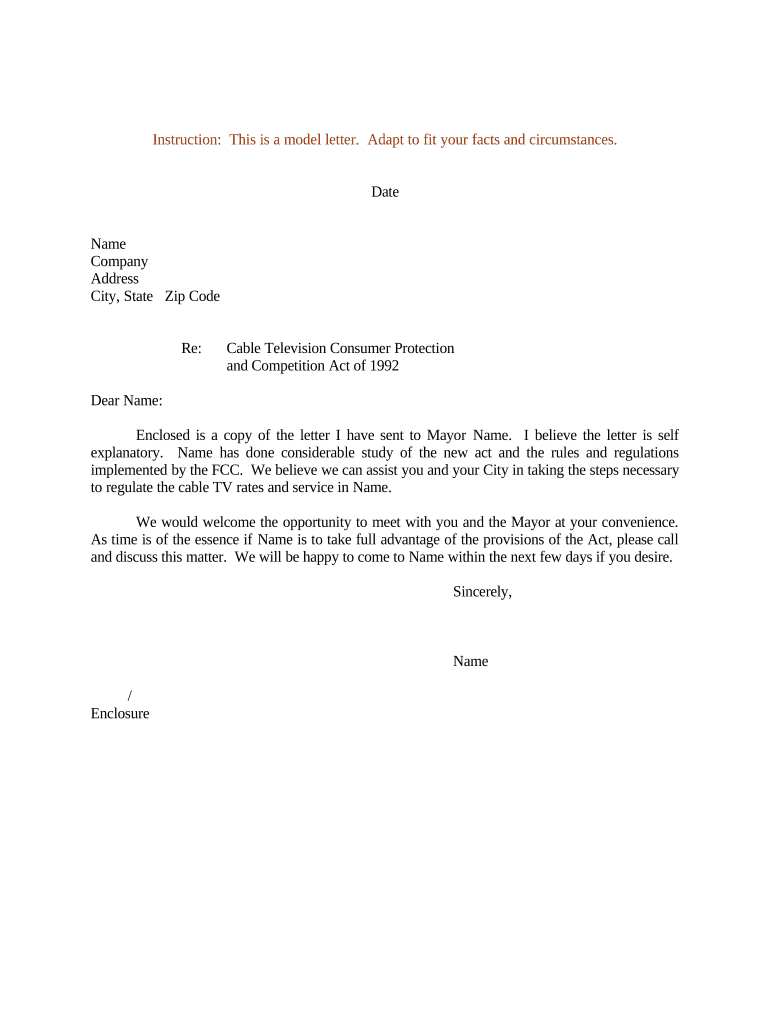
- Begin with a Professional Format: Use a standard business letter format, including the sender's address, date, recipient's address, and a formal greeting.
- State the Purpose Clearly: In the opening paragraph, clearly state that the letter accompanies certain documents. Specify what these documents are.
- List the Enclosures: Include a bulleted list or a numbered list detailing the documents attached.
- Include Relevant Information: Add any deadlines or additional instructions necessary for the recipient.
- Conclude Professionally: Thank the recipient for their attention and express readiness for any follow-up or questions.
Example Structure
- Sender’s name and address
- Date
- Recipient’s name and address
- Subject line (if necessary)
- Greeting
- Body (purpose, list of documents, additional instructions)
- Closing with signature
Important Terms Related to Forwarding Letters for Submitting Documents
Understanding the terminology surrounding document submission can enhance clarity and professionalism.
Key Terms
- Cover Letter: Another term often used interchangeably with forwarding letter, focused on providing context for the enclosed documents.
- Enclosures: Refers to the documents that accompany the forwarding letter.
- Recipient: The person or organization to whom the documents are being sent.
Contextual Definitions
- Documentation: Detailed information or evidence that supports claims, submissions, or statements in legal or official matters.
- Submission: The act of presenting documents to someone for consideration or approval.
Key Elements of the Forwarding Letter for Submitting Documents
A well-structured forwarding letter includes several critical components that contribute to its effectiveness.
Essential Components
- Subject Line: Clearly indicates the purpose of the letter.
- Opening Statement: Briefly explains why the documents are being forwarded.
- Detailed List of Documents: Specifies each document included, ensuring the recipient knows what to expect.
- Closing Remarks: Offers gratitude and invites further inquiries or follow-up.
Practical Considerations
- Tone and Language: Maintain a formal yet approachable tone. Use clear language to avoid misunderstandings.
- Brevity: Be concise yet comprehensive. Avoid unnecessary details that do not add value.
Examples of Using the Forwarding Letter for Submitting Documents
Real-world scenarios provide insights into the practical application of forwarding letters.
Academic Example
A student applying for admission might include:
- Forwarding Letter
- Application Form
- Transcripts
- Letters of Recommendation
The letter should state that these documents support the application and provide a closing thanking the admissions committee.
Business Example
A business might send a forwarding letter along with:
- Contract Proposal
- Business License
- Financial Statements
It can mention the intent to enter into a new partnership and request feedback.
Legal Use of the Forwarding Letter for Submitting Documents
In legal contexts, forwarding letters carry specific implications and must follow certain guidelines.
Legal Considerations
- Confidentiality: It's vital to indicate which documents are confidential and ensure appropriate handling.
- Record Keeping: Legal professionals often keep copies of forwarding letters as evidence of submissions.
- Compliance: Ensure all required documents are included to avoid delays or complications.
Example in a Legal Context
In a court case, a forwarding letter might include:
- Forwarding Letter
- Affidavit
- Exhibits
This letter would clearly define the purpose of forwarding these documents for the court's review.
Submission Methods for Forwarding Letters
The manner in which you submit a forwarding letter can vary significantly based on context and preference.
Common Submission Methods
- Email: Rapid and efficient; important for digital documents.
- Postal Mail: Traditional method, important for formal or legal purposes.
- In-Person Delivery: Ensures receipt and allows for immediate interaction or clarification.
Considerations for Each Method
- Email: Ensure documents are correctly attached and formats are compatible.
- Postal Mail: Use certified mail for tracking and reassurance, especially for legal documents.
- In-Person: Confirm receipt if possible and take notes of any immediate feedback.
By adhering to these guidelines, individuals and organizations can streamline the process of submitting documents while maintaining a professional standard.