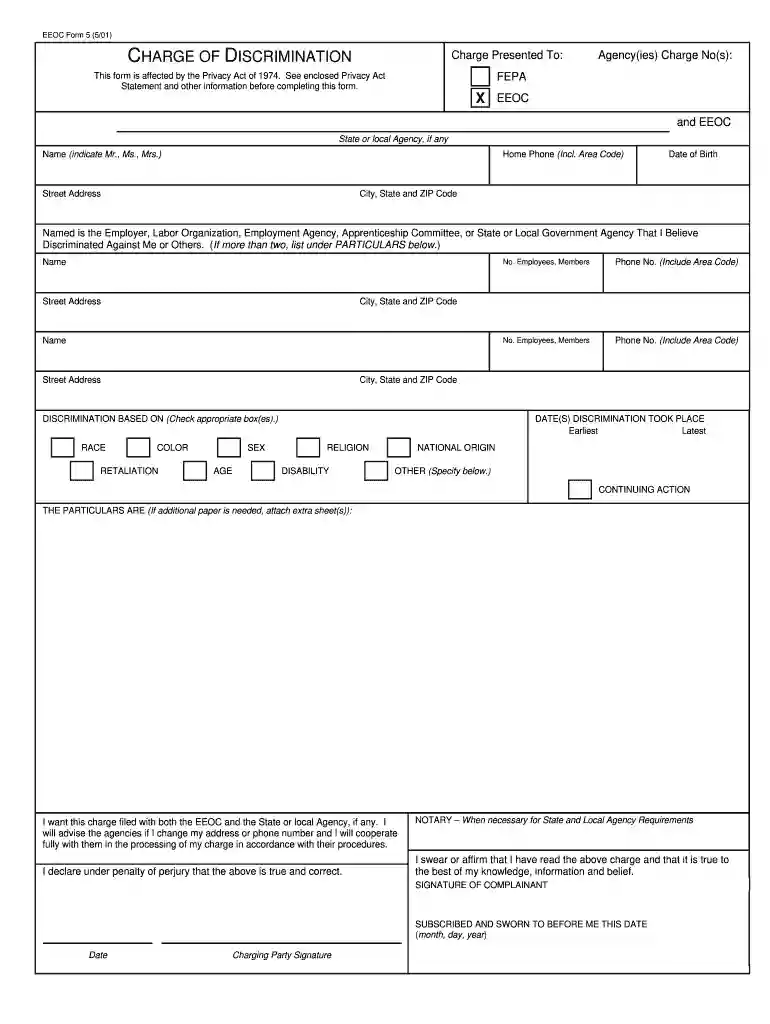
What are the chances of winning an EEOC case?
Winning an EEOC case is challenging, with low rates for formal findings (around 7% getting legal redress), but outcomes vary, often settling (around 25-40% of cases) for monetary/non-monetary benefits, though many claimants still lose their jobs; success heavily depends on strong evidence, strong legal representation, and case specifics, as the EEOC prioritizes early resolution over litigation. Key Statistics Realities: Low Formal Wins: Only about 7% of cases result in legal redress (like mandated changes or awards). High No Cause Findings: In Fiscal Year 2023, over 65% of investigations ended with a no reasonable cause determination. Settlements are Common: About 25-40% of cases settle before investigation, often involving severance pay and NDAs, with varied monetary results. High Job Loss Rate: Around 63% of workers filing complaints eventually lose their jobs. EEOC Litigation Success: When the EEOC does file lawsuits (which is rare), they win a high percentage (e.g., 97% in FY 2024), but this isnt representative of all filed charges. Factors Influencing Your Chances: Evidence Quality: Strong cases have explicit discriminatory statements, eyewitnesses, or a clear paper trail. Legal Representation: An experienced employment lawyer DocHubly increases your odds by navigating complex processes and maximizing settlement potential. Early Resolution Focus: The EEOC encourages settlements (mediation, conciliation), which offer faster, though often smaller, resolutions than court battles. Case Strength: Factors like egregious employer conduct or a history of violations can improve outcomes. In Summary: While raw statistics suggest low chances for a formal win, many cases resolve favorably through settlements, though outcomes differ greatly, and job loss remains a DocHub risk. Success hinges on strong evidence, effective legal counsel, and navigating the EEOCs preference for early, efficient case closure. AI can make mistakes, so double-check responsesHow to Win an EEOC Complaint - Fett LawFeb 3, 2025 Voluntary Mediation. About 15-20% of cases are resolved through mediation, which is a voluntary process offered early iFett LawWhat Chance of Winning a Discrimination Case? | Attorneys at LawAug 13, 2022 Case law related to sex and race discrimination are well-developed under city law. You may have strong odds of winningPhillips Associates
What are the most common EEOC violations?
The most common EEOC violation is retaliation, where an employer punishes an employee for complaining about discrimination, followed by claims of discrimination based on disability, race, and sex, with age, national origin, and religion also being frequent bases for complaints. These violations often stem from unfair treatment, harassment, or denial of reasonable accommodations related to protected characteristics like race, gender, age, disability, religion, or national origin, according to EEOC.gov and other sources. Top EEOC Violation Categories (by frequency) Retaliation: The most common charge, occurring when an employee faces negative action (e.g., firing, demotion) for engaging in protected EEO activity, like reporting discrimination. Disability Discrimination: Treating someone unfavorably due to a physical or mental impairment, or failing to provide reasonable accommodations. Race Discrimination: Unfair treatment based on race, which can include racial slurs, biased job treatment, or discriminatory comments. Sex Discrimination: Discrimination based on sex, including pregnancy, sexual orientation, and transgender status. Age Discrimination: Treating older workers (40+) less favorably than younger ones. National Origin Discrimination: Discrimination based on where a person is from or their ancestry. Color Discrimination: Unfair treatment due to skin color. Religious Discrimination: Failure to accommodate religious practices or discrimination based on religious beliefs. What Constitutes a Violation? EEOC laws prohibit discrimination in various employment aspects, including hiring, firing, pay, job assignments, promotions, training, and any other term or condition of employment, for reasons based on these protected classes, notes U.S. Equal Employment Opportunity Commission and U.S. Equal Employment Opportunity Commission. Examples of Violations Denying a reasonable adjustment for a disability or religious belief. Publishing job ads showing preference for or discouraging certain groups. Making layoff decisions based on age. Harassment by managers or coworkers due to a protected characteristic. AI can make mistakes, so double-check responsesEEOC Releases Fiscal Year 2020 Enforcement and Litigation DataFeb 26, 2021 The FY 2020 data show that retaliation remained the most frequently cited claim in charges filed with the agencyaccouU.S. Equal Employment Opportunity Commission (.gov)Prohibited Employment Policies/Practices | U.S. Equal Employment Opportunity CommissionU.S. Equal Employment Opportunity Commission (.gov)
What is an example of a EEOC violation?
EEOC violation examples include discrimination (hiring, firing, pay, promotion) based on race, sex, religion, age (40+), disability, etc.; harassment (hostile environment, sexual harassment); retaliation (punishing someone for reporting discrimination); and failure to provide reasonable accommodations for religion or disability, like denying leave or modifying workspaces. Specific cases involve paying male engineers more for equal work, firing older workers for younger ones, or penalizing pregnant employees for leave requests. Discrimination Examples Hiring/Firing: Not hiring someone due to age or race, or firing them for being pregnant or having a disability. Pay/Promotion: Paying women less than men for the same job or promoting younger workers over more qualified older ones. Job Assignment: Segregating workers by race into lower-paying roles or failing to provide equal benefits. Harassment Examples Hostile Work Environment: Repeated ethnic slurs, unwanted touching, sexually explicit comments, or threats. Sexual Harassment: A supervisor demanding sexual acts for a promotion or threatening to share explicit photos after a relationship ends. Retaliation Examples Giving an employee poor reviews, reassigning them, or firing them after they complain about discrimination or participate in an investigation. Accommodation Examples Disability: Refusing to provide a ramp or modified workstation for a qualified employee with a disability. Religion: Denying time off for a religious holiday or not allowing religious attire/grooming. Pregnancy-Specific Examples Forcing pregnant workers onto involuntary leave, limiting assignments due to pregnancy, or denying return to work after leave. AI can make mistakes, so double-check responsesProhibited Employment Policies/Practices | U.S. Equal Employment Opportunity CommissionU.S. Equal Employment Opportunity Commission (.gov)Fact Sheet: Notable EEOC Litigation Involving Pay DiscriminationShe requested a starting salary of $88,000 to match her experience and education, but the county offered her only the lowest salarU.S. Equal Employment Opportunity Commission (.gov)
What evidence is needed to prove discrimination?
To prove discrimination, you need evidence showing you belong to a protected class, were qualified, faced an adverse action (like firing or demotion), and were treated worse than similarly situated colleagues outside your class, often using circumstantial evidence (like being replaced by someone younger) or rare direct evidence (like a biased email) to show a discriminatory motive, proving the employers stated reason is a pretext. Key Elements to Prove You generally need to show these four things: Protected Class: You are a member of a protected group (race, gender, age, religion, disability, etc.). Qualifications: You were qualified for the job or meeting performance expectations. Adverse Action: You suffered a negative action (hiring denial, firing, demotion, less pay). Differential Treatment: Someone outside your protected class was treated better under similar circumstances. Types of Evidence Direct Evidence: The strongest, but rarest, proof, such as an email stating someone wasnt promoted because they are a woman. Circumstantial Evidence: More common, building a case through facts and circumstances. Comparative Evidence: Showing a non-protected colleague with similar issues (e.g., tardiness) wasnt punished, while you were. Pattern of Bias: A supervisors derogatory comments or a history of bias against your group. Statistical Evidence: Data showing DocHub underrepresentation or bias against your group. Documentation: Emails, memos, personnel files, performance reviews, and journals detailing discriminatory remarks or events. Building Your Case (McDonnell Douglas Framework) Establish Your Prima Facie Case: Show the four elements above (protected class, qualification, adverse action, better treatment for others). Employers Reason: The burden shifts to the employer to provide a legitimate, non-discriminatory reason (e.g., poor performance). Prove Pretext: The burden shifts back to you to prove the employers reason is a pretext (a cover-up) for actual discrimination. Actionable Steps Document Everything: Keep detailed notes (dates, times, witnesses, what was said/done). Gather Documents: Collect emails, performance reviews, and company policies. Seek Legal Advice: An employment lawyer can help you understand the law and effectively gather evidence. File a Charge: Before suing, you usually must file a formal charge with the U.S. Equal Employment Opportunity Commission (EEOC) (or equivalent state agency) within strict time limits. AI can make mistakes, so double-check responsesKey Evidence You Need to Prove Employment DiscriminationApr 4, 2025Herrmann MurphySection VI- Proving Discrimination- Intentional DiscriminationDirect evidence. Direct evidence often involves a statement from a decision-maker that expresses a discriminatory motive. Direct eDepartment of Justice (.gov)
What are 5 examples of unfair discrimination?
Five examples of unfair discrimination include age bias (denying promotion to an older worker), racial bias (excluding candidates due to ethnicity), gender bias (asking women about family plans in interviews), disability bias (failing to provide reasonable accommodations), and religious bias (harshly disciplining someone for prayer time). These actions unfairly target individuals based on protected characteristics rather than qualifications, impacting hiring, promotion, treatment, and termination. Here are five examples: Age Discrimination: An employer lays off older employees while keeping younger ones, assuming they are less tech-savvy or productive, despite their skills. Racial Discrimination: A hiring manager rejects a qualified candidate because of their race or national origin, stating they prefer someone who fits in better with the existing team. Sex/Gender Discrimination: An interviewer asks female candidates about their plans for children, leading to them not getting hired, while men are not asked similar questions. Disability Discrimination: An employer refuses to provide a ramp or modified workstation for an employee with a physical disability, failing to make reasonable accommodations. Religious Discrimination: A supervisor disciplines or fires an employee for requesting time off for religious observance (like prayer), even when its a minor accommodation. AI can make mistakes, so double-check responsesWhat Are Some Examples of Unfair Labor Practices in the Workplace?Not making reasonable accommodations for disabled employees. Failing to promote employees. Demoting or terminating pregnant employMorgan Morgan LawyersKnow Your Rights: Workplace Discrimination is Illegal - EEOC.govWhat Types of Employment Discrimination are Illegal? Under the EEOCs laws, an employer may not discriminate against you, regardleU.S. Equal Employment Opportunity Commission (.gov)