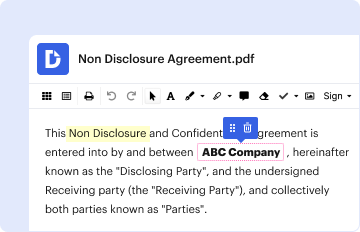
Type text, add images, blackout confidential details, add comments, highlights and more.
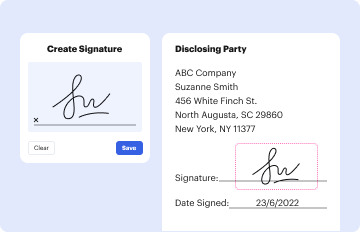
02. Sign it in a few clicks
Draw your signature, type it, upload its image, or use your mobile device as a signature pad.
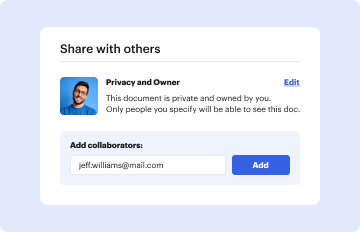
03. Share your form with others
Send it via email, link, or fax. You can also download it, export it or print it out.
How to use or fill out lease business premises with our platform
Ease of Setup
DocHub User Ratings on G2
Ease of Use
DocHub User Ratings on G2
Click ‘Get Form’ to open the lease business premises document in the editor.
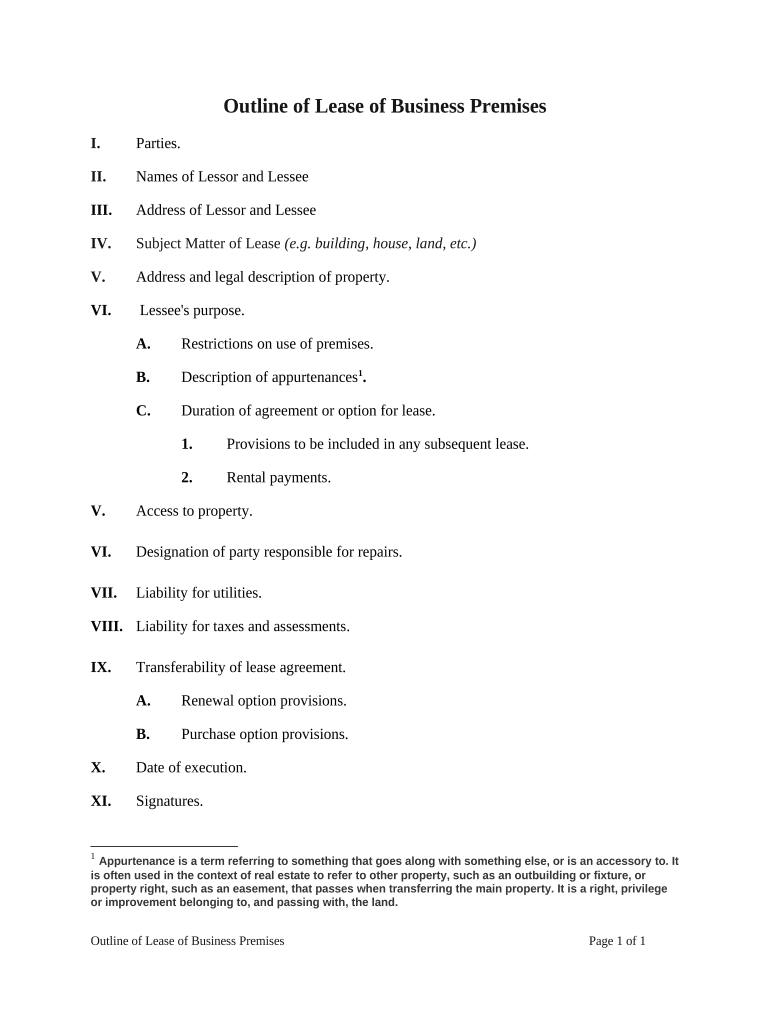
Begin by entering the names of the lessor and lessee in the designated fields. Ensure accuracy as these names will be legally binding.
Fill in the addresses for both parties. This information is crucial for legal identification and communication purposes.
Specify the subject matter of the lease, such as whether it pertains to a building, house, or land. This section clarifies what is being leased.
Provide the complete address and legal description of the property. This ensures that all parties are clear on the exact location involved in the lease.
Outline the lessee's purpose for using the premises, including any restrictions on use. This helps prevent misuse of the property.
Indicate any appurtenances associated with the property, such as fixtures or rights that come with it.
Detail rental payment terms, including amounts and due dates, to avoid future disputes.
Designate who is responsible for repairs and maintenance to ensure clarity on obligations.
Finally, review all sections carefully before signing. Once satisfied, proceed to add signatures where indicated.
Start filling out your lease business premises form online for free today!
Buying a car for your business offers docHub tax benefits that leasing doesnt provide, like the car loan interest deduction and the depreciation deduction. If you take out a loan to buy a car for your business, the interest you pay on that loan is generally tax-deductible.
How does a lease work for a business?
The landlord agrees to rent out the business property, which is typically an office space, in exchange for money, Khanna said. Commercial leases typically last from three to five years, creating a long-term relationship between the lessor and lessee.
Is it hard to lease a commercial property?
But commercial leases can be complicated, with a range of conditions and contingencies that have legal and financial implications for you and your landlord and the future of your business. With so much riding on a lease, its important to read the fine print and know exactly what youre signing.
What is the condition of premises in a commercial lease?
A condition of premises provision describes the state (such as broom clean or free of furniture, fixtures and equipment) in which the space will be in upon signing the lease.
What are the pros and cons of leasing?
Leasing typically has lower monthly payments and lets you drive a new car every few years, but comes with restrictions on mileage and doesnt let you build equity. Buying often costs more but allows you to build equity, have complete control over your car, and drive as much as youd like.
Related Searches
Lease business premises templateLease business premises examplesCommercial lease business premisesLease business premises for saleCommercial property portalCommercial property search
Security and compliance
At DocHub, your data security is our priority. We follow HIPAA, SOC2, GDPR, and other standards, so you can work on your documents with confidence.
For many businesses, leasing is usually the better option. Businesses enjoy a docHub tax advantage by leasing rather than buying company vehicles. If the vehicle will be solely used for business purposes, you can also deduct the full cost of all monthly payments as well as all operating costs.
Is leasing a business a good idea?
Leasing typically requires less cash out of pocket than buying. Businesses that lease may have more available funds to invest in the companys products/services or establish additional locations.
Cookie consent notice
This site uses cookies to enhance site navigation and personalize your experience.
By using this site you agree to our use of cookies as described in our Privacy Notice.
You can modify your selections by visiting our Cookie and Advertising Notice.