





Understanding the Sample Letter Invitation
A sample letter invitation serves as a model for inviting individuals or groups to an event. This type of document is crucial in various contexts, including corporate events, ceremonies, or casual gatherings. The structure usually includes essential components to ensure the invitation conveys the purpose, date, time, location, and necessary RSVP details.
Key Components of a Sample Letter Invitation
Understanding the critical elements of an effective letter of invitation is paramount for clear communication. The following sections detail these components:
-
Event Details: Clearly state the nature of the event. Specify whether it is a formal gathering or an informal meeting. Include critical dates and timings to provide essential information upfront.
-
Venue Information: Include the location address of the event. If required, provide directions or special notes regarding parking or accessibility to ensure guests can easily find the venue.
-
RSVP Instructions: It is vital to ask for a confirmation of attendance. Include a deadline for RSVPs and specify how guests should provide their responses, whether by phone, email, or an included RSVP card.
Formats for Sending an Invitation
There are various formats in which a sample letter invitation can be sent. Choosing the appropriate format is crucial based on the invitation's formality and tone.
-
Formal Invitations: These are often typed and printed on quality stationery. Use formal language and correct salutations to convey respect towards the guest of honor.
-
Informal Invitations: Casual gatherings may use simpler language. Email invitations can also be suitable for informal events, especially when a quick response is desired.
Customizing Invitations for Different Events
Adjusting the tone and style of the invitation based on the event is vital. Consider the following scenarios:
-
Corporate Events: A letter of invitation for a guest speaker should include information about the subject matter of the talk, the expected audience, and any honorarium or benefits for the guest.
-
Ceremonial Events: For a guest of honour, use more respectful language, emphasizing the importance of their presence. This could be a formal invitation letter for a dinner or award ceremony.
-
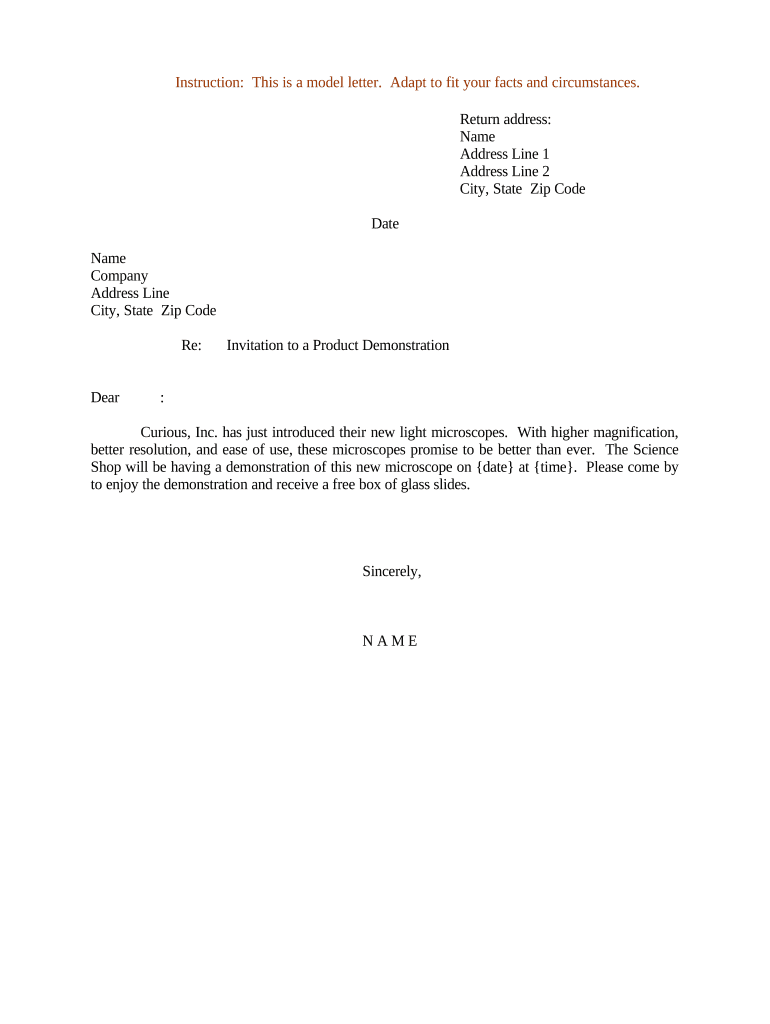
Product Demonstrations: When inviting potential clients for product demonstrations, highlight the advantages of attending, such as exclusive insights or free samples.
Examples of Sample Letters for Various Occasions
Providing examples further elucidates how to structure different types of invitation letters effectively. Here are sample scenarios:
-
Formal Invitation for a Guest Speaker: This letter would detail the organization, the nature of the event, the audience demographic, and the guest speaker’s expertise, along with any logistical questions that need addressing.
-
Invitation for a Special Guest: In this instance, emphasize the guest's significance and express the organization's excitement about their presence. Include any specific roles they may have in the event.
-
Simple Invitation for a Casual Gathering: A less formal example may simply invite acquaintances to a gathering, offering basic details without complex phrasing, focusing on the relaxed nature of the event.
Important Considerations in Crafting Your Invitation
There are several factors to keep in mind when writing an invitation letter:
-
Audience Awareness: Tailor the language and formality to the intended audience. Consider age, cultural background, and event context.
-
Clarity and Brevity: Keep the message clear and concise. Avoid unnecessary jargon or overly complex sentences that may confuse the reader.
-
Timing: Send invitations well in advance to give recipients ample time to respond and adjust their schedules. The timing should reflect the nature of the event, usually set at least a few weeks to a month in advance.
Conclusion
Utilizing a sample letter invitation template can provide a solid foundation for crafting effective invitations that meet the needs of any event, from formal ceremonies to casual gatherings. By understanding the key components, formats, and necessary nuances, organizers can communicate their messages clearly and ensure their guests feel welcomed and informed.