
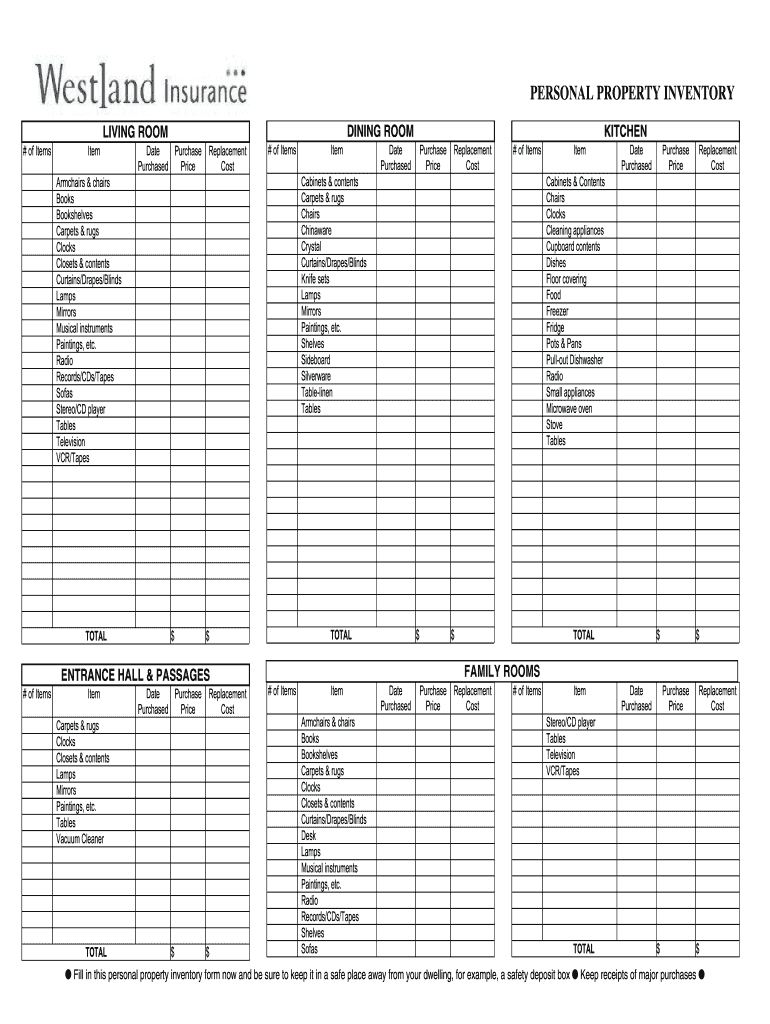







Understanding the Itemized List for Insurance Claim Template
An itemized list for insurance claims is a crucial document that provides a detailed account of personal property, especially in the event of a loss. This list can be instrumental in expediting the claims process and ensuring fair compensation. Below are the important elements to consider when using this template.
Key Components of an Itemized List
To create an effective itemized list, include the following essential details:
- Description of Items: Clearly describe each item, including brand, model, and condition. For example, "Samsung 55” Smart TV, used, in good condition."
- Purchase Date: Provide the date when each item was purchased. This assists in estimating the age of the item and its depreciation. For example, "Purchased on January 15, 2020."
- Purchase Price: Include the original cost of each item, as it serves as the basis for the claim. Example: “$800.”
- Current Value: Assess the replacement cost or current market value. Items tend to depreciate, thus include an estimate reflecting its current worth. For instance, “$500.”
- Photos: Attach photographs of items as visual evidence, especially for high-value items. Ensure images are clear and taken from multiple angles.
How to Create an Itemized List
Follow these steps to compile a thorough itemized list effectively:
- Inventory All Personal Items: Begin by making a comprehensive inventory of all items in your home or the affected area. Start in one room at a time.
- Use a Template: Utilize an itemized list template or spreadsheet for ease of organization. A spreadsheet allows sorting by categories or values.
- Document Details: As you record each item's details, ensure accuracy. Double-check information to prevent discrepancies.
- Gather Proof: Collect receipts or bills of sale for major items as supporting documents. This documentation strengthens your claim.
- Regular Updates: Update your inventory periodically (annually, or after major purchases) to ensure it reflects your current possessions accurately.
Common Scenarios for Using an Itemized List
Different scenarios necessitate using an itemized list for insurance claims, including:
- Homeowners Insurance Claims: In the case of theft, fire, or other damages, a detailed inventory helps substantiate claims.
- Renters Insurance Claims: Renters can utilize an itemized list to ensure proper compensation for stolen or damaged personal belongings due to incidents such as fire or flooding.
- Business Insurance Claims: Businesses must itemize equipment and inventory in the event of property loss to recover losses adequately.
Optional Features of the Itemized List Template
Consider additional elements that may enhance the itemized list:
- Categories: Create sections for different types of items, such as electronics, furniture, and personal belongings, to streamline the organization.
- Tracking Repairs: Note any repairs or maintenance done on items, which can affect their value. Example: “Laptop repaired in March 2021, cost $150.”
- Insurance Policy Details: Include relevant insurance policy numbers and contact information, which can be useful when filing claims.
Examples of Itemized List Format
Here’s how an itemized entry may look in a template:
| Item Description | Purchase Date | Purchase Price | Current Value | Photos Attached | |----------------------------|---------------|----------------|---------------|------------------| | Samsung 55” Smart TV | Jan 15, 2020 | $800 | $500 | Yes | | Leather Sofa | Mar 12, 2018 | $1,200 | $700 | Yes | | Kitchen Aid Mixer | Jun 20, 2019 | $350 | $250 | Yes |
This structured approach ensures clarity and provides all pertinent information required for the insurance claim process, optimizing the likelihood of swift approval and compensation.




