




Definition and Meaning of Sample Letter Replacement
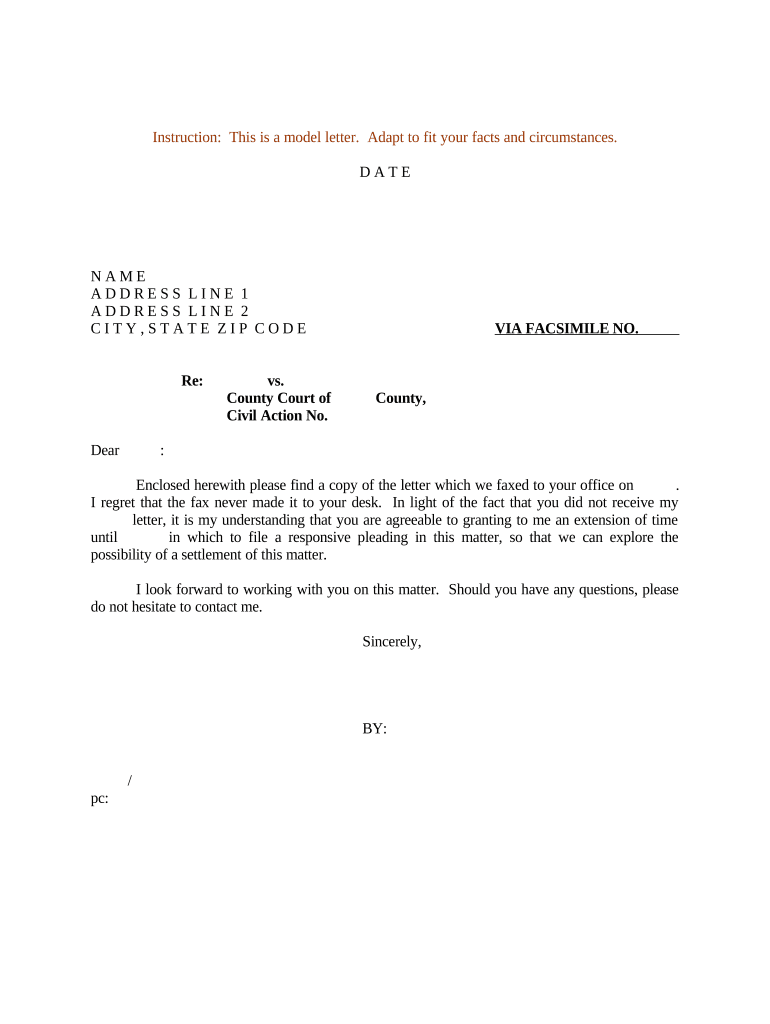
A sample letter replacement serves as a template or model for drafting formal correspondence typically intended to correct or substitute previous letters. This type of document is essential in various contexts, such as legal, institutional, or business communications. For instance, a lawyer may use a sample letter replacement to notify a court of a change in representation or to amend a previous filing. Similarly, businesses may need to issue a replacement letter for contract modifications or customer notifications.
In practice, a sample letter replacement helps ensure clarity and formality, providing a structured format that outlines the necessary information. These letters typically include sections for the date, recipient's address, a subject line, the body of the letter detailing the changes, and the sender's signature. The intention is to convey important updates clearly while maintaining professional standards in communication.
Components of a Typical Sample Letter Replacement
- Header: Includes the sender's information and date.
- Recipient Information: Name and address of the individual or entity receiving the letter.
- Subject Line: Brief statement summarizing the purpose of the letter.
- Body: Detailed explanation of the replacement, reasons for it, and any actions required by the recipient.
- Closing: A formal sign-off followed by the sender's name and title.
How to Use the Sample Letter Replacement
Using a sample letter replacement involves accessing the template and customizing it according to specific needs. Each component of the letter should be filled out accurately to ensure clarity and to convey the intended message.
Steps for Customization
- Select an Appropriate Template: Choose a sample letter replacement that fits the context of your message, whether it is for legal, business, or other formal communications.
- Fill in Sender and Recipient Details: Provide accurate names, titles, and addresses to prevent confusion.
- Specify the Subject: Clearly articulate what the replacement letter addresses.
- Detail the Changes: In the body of the letter, clearly explain what changes are being made and why they are necessary. Use clear and concise language.
- Review and Edit: Before sending, proofread the letter to correct any errors and ensure the message is professional.
By following these steps, individuals can effectively utilize sample letter replacements that meet the requirements of their specific situations while maintaining a formal tone.
Steps to Complete the Sample Letter Replacement
Completing a sample letter replacement effectively requires attention to detail and an understanding of the letter's purpose. Here are the detailed steps to follow:
Step-by-Step Guide
-
Identify the Necessity for Replacement: Determine why a replacement letter is required. This may involve reviewing prior correspondence or understanding changes in context.
-
Choose the Right Format: Depending on the audience—such as a court, client, or colleague—select a formal format that is widely accepted.
-
Draft the Letter Using the Template:
- Insert the date and sender's contact information at the top.
- Add the recipient's contact details below the sender's information.
- Write a clear subject line that encapsulates the purpose of the letter.
-
Compose the Body:
- Start with a polite salutation.
- Clearly state the reason for the letter and the specific changes being made.
- Use numbered points or bullet lists for clarity if multiple changes are being addressed.
-
Provide Necessary Supporting Information: If required, attach relevant documents or information that supports the changes made in the letter.
-
Close Professionally: Finish with a courteous closing statement and ensure that the sender’s name and title are correctly stated.
-
Double-Check Details: Review for accuracy in names, titles, and content to avoid miscommunication.
By meticulously following these steps, users can ensure their sample letter replacement is complete and effective.
Why You Should Use a Sample Letter Replacement
Utilizing a sample letter replacement can significantly enhance communication effectiveness across various contexts. Here are some compelling reasons to consider this approach:
Benefits of Utilizing Sample Letters
- Clarity: Provides a structured format that ensures all relevant information is exchanged, reducing the likelihood of misunderstandings.
- Professionalism: Using a formal template demonstrates professionalism, which can enhance credibility with the recipient.
- Time Efficiency: Templates can save time, allowing individuals to focus on customizing content rather than starting from scratch.
- Consistency: Regularly using sample letters prevents variance in communication style, fostering a unified approach in formal interactions.
Engaging with a sample letter replacement can therefore streamline the communication process, establish trust, and maintain high standards in professional conduct.
Important Terms Related to Sample Letter Replacement
Understanding key terms associated with sample letter replacements can facilitate better communication and ensure all parties are on the same page. Here are several relevant terms:
Key Terms Defined
- Template: A pre-designed document format that can be customized for specific purposes.
- Correspondence: Any written communication between parties, including letters, emails, and memos.
- Formal Letter: A type of letter characterized by a strict format and professional tone.
- Recipient: The individual or entity addressed in the letter, who is expected to receive and understand the message.
- Amendment: A formal change or addition to a previously agreed-upon document.
Familiarizing oneself with these terms enables clearer communication and enhances the effectiveness of the sample letter replacement process.
Examples of Using the Sample Letter Replacement
Real-world scenarios illustrate the utility and importance of using a sample letter replacement. Here are common situations where such letters might be employed:
Practical Examples
-
Legal Context: A lawyer may submit a sample letter replacement to a court to update representation or amend previously filed documents. It ensures the court is aware of critical changes in case management.
-
Business Communication: A company may issue a replacement letter to a client to correct contract details, clarifying any misunderstanding and demonstrating transparency.
-
Personal Matters: An individual might need to send a sample letter replacement to confirm or change arrangements with a service provider, ensuring that both parties clearly understand any modifications made.
-
Educational Institutions: Students may use sample letter replacements to inform colleges of updates to personal details, such as a change in contact information or program of study.
-
Financial Transactions: Banks or financial institutions may require a sample letter replacement to amend account information, ensuring that account statements reflect accurate data.
In each of these cases, the sample letter replacement serves as a vital communication tool, allowing for prompt updates while maintaining professional decorum.
IRS Guidelines and Filing Deadlines
When dealing with certain official documents, including sample letters related to tax matters, adherence to IRS guidelines and deadlines is crucial. Understanding these aspects ensures compliance and avoids penalties.
Key Points on IRS Regulations
- Timeliness: Certain letters related to tax filing must be submitted by specific deadlines to ensure acceptance by the IRS.
- Format Compliance: The IRS may specify how letters must be formatted, including required statements or disclosures.
- Documentation: Supporting documents may need to accompany the sample letter replacement to provide context and justification for the changes made.
Staying informed about these guidelines helps in successfully navigating the bureaucratic landscape surrounding tax-related communications.