



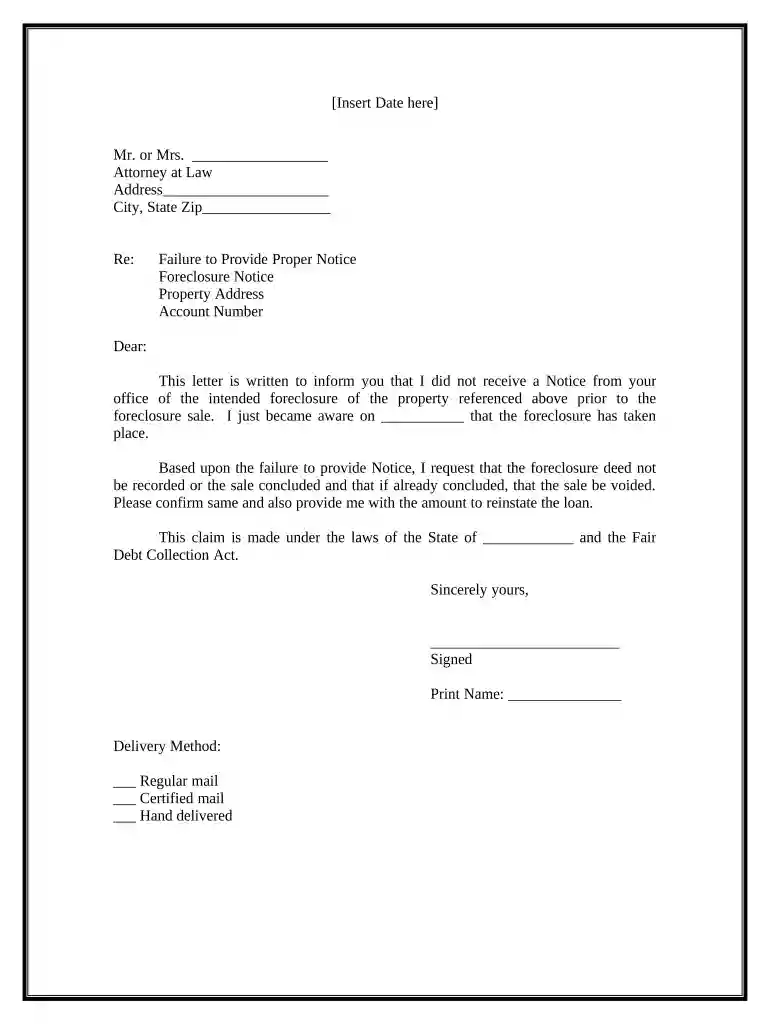
01. Edit your free foreclosure letter template online
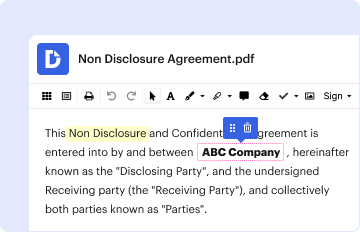
Type text, add images, blackout confidential details, add comments, highlights and more.

Type text, add images, blackout confidential details, add comments, highlights and more.
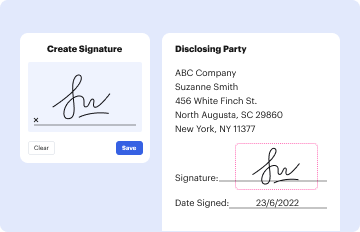
Draw your signature, type it, upload its image, or use your mobile device as a signature pad.
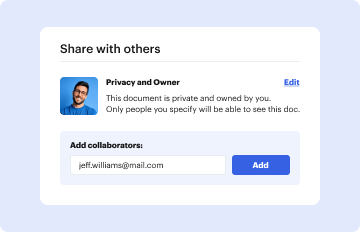
Send mortgage foreclosure letter example via email, link, or fax. You can also download it, export it or print it out.
A foreclosure letter serves as a formal notification from a lender or mortgage company to a homeowner regarding the initiation of foreclosure proceedings due to missed mortgage payments. This letter outlines the details of the default, the total amount due, and the potential consequences if the owed sum is not remedied. In the United States, such letters are typically governed by state laws and regulations that dictate the required content, notice periods, and other procedural aspects.
Foreclosure letters can vary in tone and specificity but generally contain essential elements such as the following:
These letters serve as a critical first step in the foreclosure process, allowing homeowners to understand their situation and explore available options, including reinstatement and loan modification.
Understanding the key elements contained in a foreclosure letter is vital for both borrowers and legal representatives working on their behalf. A well-constructed foreclosure letter typically includes:
Legal Justification: The letter will reference specific state laws or contractual obligations that warrant the initiation of foreclosure proceedings. This might include statutes governing loans and default procedures.
Payment Information: Details regarding the total amount required to bring the mortgage current, including missed payments, late fees, and any other applicable charges.
Timeline for Action: Clearly defined timeframes within which the homeowner must respond or act to prevent foreclosure. This section often includes deadlines for payment or requirements to contest the foreclosure.
Contact Information: A section providing direct contact details for loan modification assistance or further inquiries, clearly outlining whom the homeowner can speak with regarding their options.
Incorporating these elements ensures clarity and provides the homeowner with the necessary information to make informed decisions.
When a lender issues a letter indicating the foreclosure process, it is crucial for the borrower to understand the steps they can take to respond effectively. Here are key steps to consider:
Review the Letter Carefully:
Gather Documentation:
Contact the Lender:
Consult Legal Assistance:
Prepare a Response:
Follow-up:
These steps are designed to help homeowners navigate the stressful experience of receiving a foreclosure notice and empower them to take action.
Familiarity with specific terminology associated with foreclosure letters can enhance one’s understanding of the foreclosure process. Here are essential terms to know:
Understanding these terms not only assists borrowers in navigating correspondence with their lender but also clarifies options available for avoiding foreclosure.
Various parties may utilize foreclosure letters, each with unique perspectives and motivations:
Lenders and Mortgage Companies: Financial institutions that send the letters to inform borrowers of impending foreclosure due to non-payment.
Borrowers: Homeowners receiving the letters who face potential loss of their property and may need guidance on how to respond.
Legal Representatives: Attorneys assisting borrowers by interpreting the content of the letter and advising on legal rights and options in foreclosure proceedings.
Real Estate Agents: Professionals who may become involved if the foreclosure process leads to the sale or listing of the property.
Credit Counselors: Specialists who can help homeowners understand their financial situation and provide guidance on avoiding foreclosure.
Each of these parties plays an essential role in the foreclosure process, advocating for their respective interests while navigating complex legal and financial landscapes.


At DocHub, your data security is our priority. We follow HIPAA, SOC2, GDPR, and other standards, so you can work on your documents with confidence.




Feb 10, 2016 State the reason for the hardship in the opening paragraph. Include the specifics and declare your intentions in regard to the home. Explain howRead more
When you apply for help in avoiding foreclosure you are likely to come across words and technical terms that may be unfamiliar to you.Read more


