




Definition & Meaning of LLC Resignation
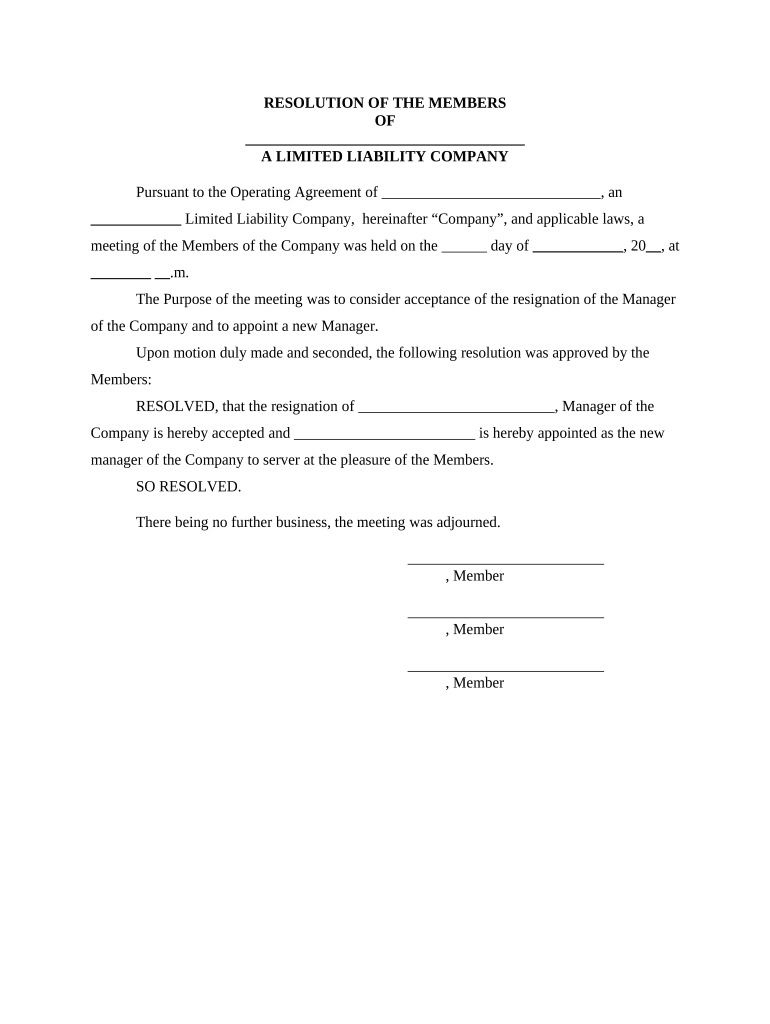
An LLC resignation refers to the formal process by which a member or manager of a limited liability company (LLC) voluntarily chooses to leave their position within the organization. This decision can stem from various reasons, including personal circumstances, changes in business interests, or a desire to pursue other opportunities. The resignation does not dissolve the LLC but signifies a change in its membership or management structure.
In the context of an LLC, the resignation is typically documented to maintain clear and accurate records. This formal documentation helps provide evidence of the member's departure and any associated changes in responsibilities or ownership stakes. Understanding this definition is crucial for both existing members and those considering involvement in an LLC, as it highlights the flexibility and governance aspects of such business entities.
Key Elements of the LLC Resignation Process
The resignation process involves several key components to ensure legal compliance and proper management of the LLC. These elements typically include:
-
Written Notice: A formal written notice is essential to document the resignation. This notice should clearly state the intent to resign, the effective date, and any other pertinent information regarding ownership transfers, if applicable.
-
Amendment of Operating Agreement: Depending on the provisions set forth in the LLC’s operating agreement, the resignation may require amendments to ensure that the remaining members are aware of the changes in management or ownership.
-
State Filing Requirements: Different states have varying regulations regarding the resignation process. Some jurisdictions may require a filing with the state’s secretary of state or other governmental bodies.
Importance of Written Notice
The written notice serves as a crucial legal document. It should include:
- Member Details: The full name and role of the resigning member.
- Effective Date: The date when the resignation becomes effective.
- Circumstances of Resignation: Briefly describing why the resignation has been initiated can be helpful for record-keeping.
It is advisable for the LLC to keep this document on file to ensure clarity in future dealings and maintain transparent records of membership changes.
Steps to Complete the LLC Resignation
To ensure a smooth process when resigning from an LLC, adhere to the following steps:
-
Review the Operating Agreement: Check the LLC’s operating agreement for any specific requirements regarding resignation.
-
Draft the Resignation Letter: Prepare a formal resignation letter that includes all necessary elements, as detailed above.
-
Notify Remaining Members: Share the resignation letter with the other members as specified in the LLC agreement.
-
Make Necessary Amendments: If required, amend the operating agreement to reflect the changes in membership.
-
File Documents with the State (if applicable): Submit any required forms or notices to the state to comply with legal regulations regarding changes in membership.
Importance of Following Legal Procedures
Following these steps ensures that the resignation adheres to legal requirements, minimizing the risk of disputes or complications in the future. Each action—from drafting the resignation letter to notifying other members—builds a framework of transparency and accountability, which is essential in maintaining trust and clarity within the LLC.
Who Typically Uses the LLC Resignation?
The LLC resignation process is predominantly utilized by individuals in various scenarios:
-
Active Members or Managers: This includes any current member who decides to step down due to personal changes, such as retirement, relocation, or a shift in career objectives.
-
Partners in a Business Venture: Individuals involved in a partnership may resign if the partnership structure changes, necessitating updates in the LLC’s member roster.
-
Investors: Investors who no longer wish to participate in the LLC may choose to resign. This could apply to those who initially invested without taking active roles in management.
-
Founders: A founder may resign from day-to-day operations while retaining ownership stakes, thus simplifying delegation of management duties.
Understanding who typically utilizes the resignation process can provide context for how and why LLC members navigate changes in their business relationships.


Legal Use of the LLC Resignation
The legal framework surrounding LLC resignations is critical for ensuring that all parties fulfill their obligations and comply with state regulations. Some legal considerations include:
-
Adherence to State Laws: Each state has specific laws governing the resignation process of LLC members. Knowing these laws can help avoid legal pitfalls.
-
Impact on Financial Interests: Resigning members should consider any financial implications of their departure, including tax responsibilities and potential loss of investment. An accurate accounting of ownership interests is vital.
-
Directors and Officers Liability: Members should be aware of their liabilities post-resignation, especially if they held roles that exposed them to operational responsibilities.
State-Specific Regulations
Given that LLCs are governed at the state level, it is crucial to familiarize yourself with the requirements specific to your state. This can include:
-
Notice Requirements: Some states may require that notice of resignation be provided within a specific timeframe before becoming effective.
-
Member Approval: Certain states may mandate member approval for the resignation to ensure a clear consensus among the remaining members.
Being informed about the legal landscape ensures smooth transitions and maintains operational integrity within the LLC.
Examples of Using the LLC Resignation
Several scenarios illustrate the practical application of an LLC resignation:
-
Changing Business Focus: An entrepreneur may choose to resign from an LLC to focus on a new venture, ensuring their existing company has a clear leadership path without their involvement.
-
Conflict Resolution: In cases where disagreements among members become significant, a member might resign as a solution to improve group dynamics and maintain harmony.
-
Retirement: A member reaching retirement age may opt for resignation, passing their responsibilities and interests to another member while potentially advising on strategic transitions.
-
Divorce or Personal Decisions: Individuals may need to resign due to personal circumstances, such as a divorce, affecting their investment in the LLC.
These examples underscore the diverse motivations behind an LLC resignation, emphasizing that each situation demands careful consideration and adherence to legal and procedural norms.