Type text, add images, blackout confidential details, add comments, highlights and more.
02. Sign it in a few clicks
Draw your signature, type it, upload its image, or use your mobile device as a signature pad.
03. Share your form with others
Send it via email, link, or fax. You can also download it, export it or print it out.
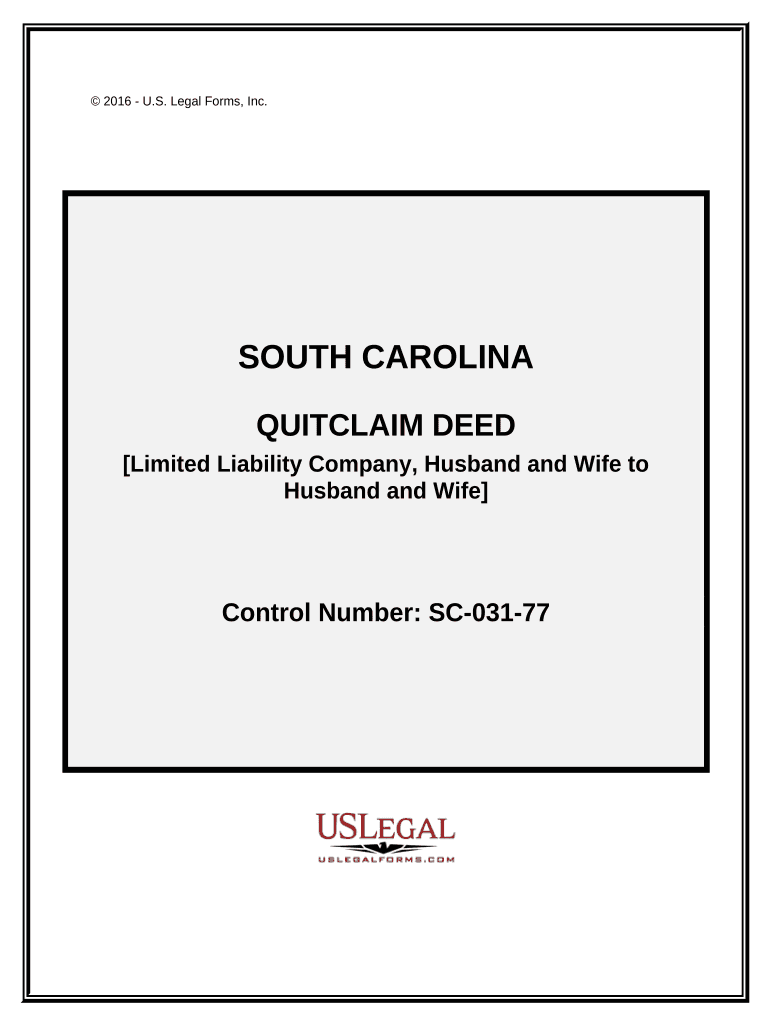
How to use or fill out Quitclaim Deed from Two Individuals/Husband and Wife to Individual - South Carolina
Ease of Setup
DocHub User Ratings on G2
Ease of Use
DocHub User Ratings on G2
Click ‘Get Form’ to open it in the editor.
Begin by entering the names and addresses of the Grantors (the individuals transferring the property) in the designated fields. Ensure that all names are spelled correctly as they will appear on the final document.
Next, specify how the Grantees (the individuals receiving the property) will hold the property. Choose between 'Tenants in Common' or 'Joint Tenants with Right of Survivorship' based on your preference.
Fill in the legal description of the property being transferred. This may require referencing an attached Plat or previous deed for accuracy.
Ensure that all required signatures are included. Original signatures are necessary, so plan to print and sign if needed. Remember to use blue ink for clarity.
Complete any additional sections such as notarization and witness signatures, ensuring compliance with South Carolina's requirements for recording.
Start using our platform today to easily complete your Quitclaim Deed online for free!
Fill out Quitclaim Deed from Two Individuals/Husband and Wife to Individual - South Carolina online It's free
Repercussions of a quit claim deedQuit claim deed loopholesHow long does a quitclaim deed give you ownershipFree quit claim deed form South CarolinaQuitclaim deed CaliforniaSouth Carolina quit claim deed formQuitclaim deed after deathDoes a spouse have the right to property after signing a quit claim deed
Security and compliance
At DocHub, your data security is our priority. We follow HIPAA, SOC2, GDPR, and other standards, so you can work on your documents with confidence.
(3) Two named persons, individuals, whether or not identified in the conveyance as being (i) husband and wife, (ii) spouses, or (iii) married to each other, ifRead more
Most real estate transactions involve two kinds of deeds, the general warranty deed and the quitclaim deed. 1. General warranty deed. In a warranty deed, theRead more
Cookie consent notice
This site uses cookies to enhance site navigation and personalize your experience.
By using this site you agree to our use of cookies as described in our Privacy Notice.
You can modify your selections by visiting our Cookie and Advertising Notice.